


Author: Dr. Reneesh, (Consultant Orthopedic Surgeon – WELLKINS Medical Centre)
Most patients do not visit an orthopedic clinic only because they have noticed a bump on the side of their foot. They come because they have gradually stopped doing something they once enjoyed, such as taking a morning walk, wearing a favorite pair of shoes or dancing comfortably at a family celebration.
The connection to the big toe is not always obvious. By the time the bunion itself becomes the main complaint, the underlying change in alignment may have been developing slowly for years.
A bunion is not a sudden event. It is a progressive change involving the bones, soft tissues and mechanics of the big-toe joint. Foot structure, footwear pressure and daily activity can all influence how noticeable or painful it becomes.
A bunion should not be judged only by the size of the visible bump. What matters most is whether it is causing pain, limiting walking, changing shoe choices or shifting pressure to other parts of the foot. Early assessment gives us an opportunity to understand the alignment, identify contributing factors and use practical measures to reduce symptoms. Surgery is not necessary for every bunion but persistent pain and declining function should not simply be accepted as part of everyday life.
People Also Ask
What is a bunion?
A bunion is a prominence at the base of the big toe associated with a gradual change in the alignment of the first metatarsophalangeal joint. The big toe angles towards the smaller toes while the first metatarsal shifts in the opposite direction.
Can a bunion go away without surgery?
Non-surgical measures can reduce pressure and control symptoms but they do not usually reverse an established structural deformity. Surgery is the method used to correct the alignment when pain or functional limitation continues despite appropriate conservative care.
Do bunion correctors and toe spacers permanently straighten the toe?
Spacers, pads or splints may improve comfort for some people by reducing friction or temporarily positioning the toe. They have not been shown to permanently correct the underlying bone alignment of an established bunion.
When should I see an orthopedic doctor about a bunion?
Arrange an assessment when pain persists despite wider footwear, walking becomes difficult, the big toe presses against another toe or the deformity is clearly progressing. Earlier evaluation may provide more options for managing symptoms and protecting function.

It’s a Joint Problem Wearing a Skin Disguise
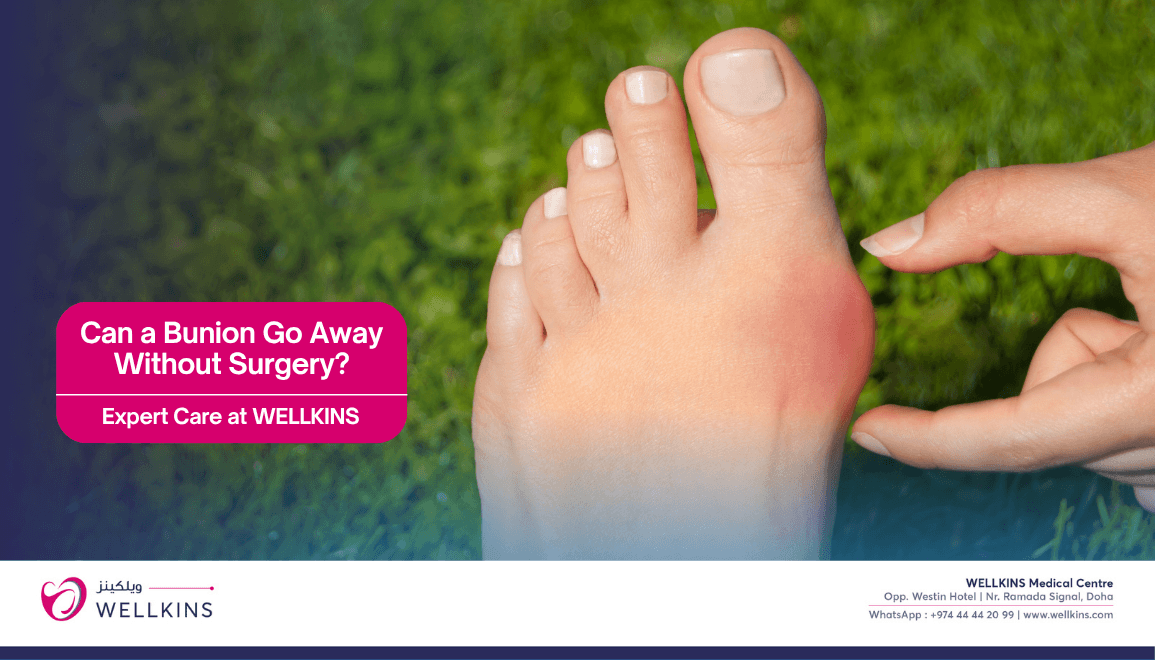
Patients often describe a bunion as a growth or assume that extra bone is forming on the side of the foot. The visible bump is actually connected to a change in the alignment of the joint at the base of the big toe.
The first metatarsal gradually shifts towards the inside of the foot while the big toe angles towards the second toe. As the joint becomes less aligned, the head of the first metatarsal becomes more prominent and is exposed to pressure from footwear.
The surrounding soft tissues also adapt to the changing position. The joint capsule may become stretched on one side and tight on the other while the tendons no longer pull in a balanced direction. Repeated rubbing can cause redness, swelling, callus formation or inflammation over the prominence.
This distinction matters because removing or shaving only the visible bump does not necessarily correct the underlying alignment. Modern treatment planning considers the position of the bones, joint condition, severity of symptoms and individual activity needs.
Understanding the Joint Changes Behind a Bunion
A bunion develops at the metatarsophalangeal joint where the first metatarsal meets the big toe. As alignment changes, the prominence becomes more visible and pressure through the forefoot may be redistributed.
The deformity often progresses slowly so a person may adapt without noticing. Changes in walking, footwear choices or activity can appear before the bump itself becomes the main concern.
Why “It Runs in My Family” Isn’t an Excuse to Ignore It
Family history can strongly influence the shape and structure of the foot. A person may inherit a foot type that is more likely to develop hallux valgus but genetics does not mean that pain and progression must simply be ignored.
Footwear and daily loading can interact with that inherited structure. Narrow or pointed shoes compress the toes while high heels increase pressure at the front of the foot. These factors may aggravate a vulnerable joint even though they are not the only cause.
In Qatar, many people alternate between open footwear and formal shoes. Open sandals may reduce direct pressure on the bump but unsupportive footwear can still allow the foot to work harder during prolonged walking. Formal shoes worn for long working days may create a very different problem if the toe box is narrow.
Pregnancy-related ligament changes, long periods of standing, flatter arches, inflammatory joint conditions and previous foot problems may also influence symptoms or alignment. In many patients, there is no single cause. The condition reflects several factors accumulating over time.
The Pain Doesn’t Always Match the Picture
The size of a bunion and the pain it causes do not always match. A large deformity may cause surprisingly little discomfort while a smaller prominence may be painful when it repeatedly rubs against the side of a shoe.
This is why treatment decisions at WELLKINS Medical Centre are based on symptoms and function rather than appearance alone. A bunion that looks noticeable but does not hurt may only require monitoring and sensible footwear. A smaller bunion that limits walking or work deserves closer assessment.
Important questions during a consultation include:
- Is pain limiting how far or how often you walk?
- Are your comfortable shoe options becoming increasingly limited?
- Does the joint feel stiff during the push-off phase of walking?
- Is the big toe pressing against, overlapping or moving under the second toe?
- Have you developed pain beneath the ball of the foot or in the smaller toes?
- Are you changing the way you walk to avoid pressure on the painful side?
A poorly aligned big toe can change how pressure moves through the forefoot. Some people develop calluses, second-toe pain or discomfort under the lesser metatarsal heads because the big toe is no longer sharing load normally.
How Bunions Can Affect Walking and Daily Life
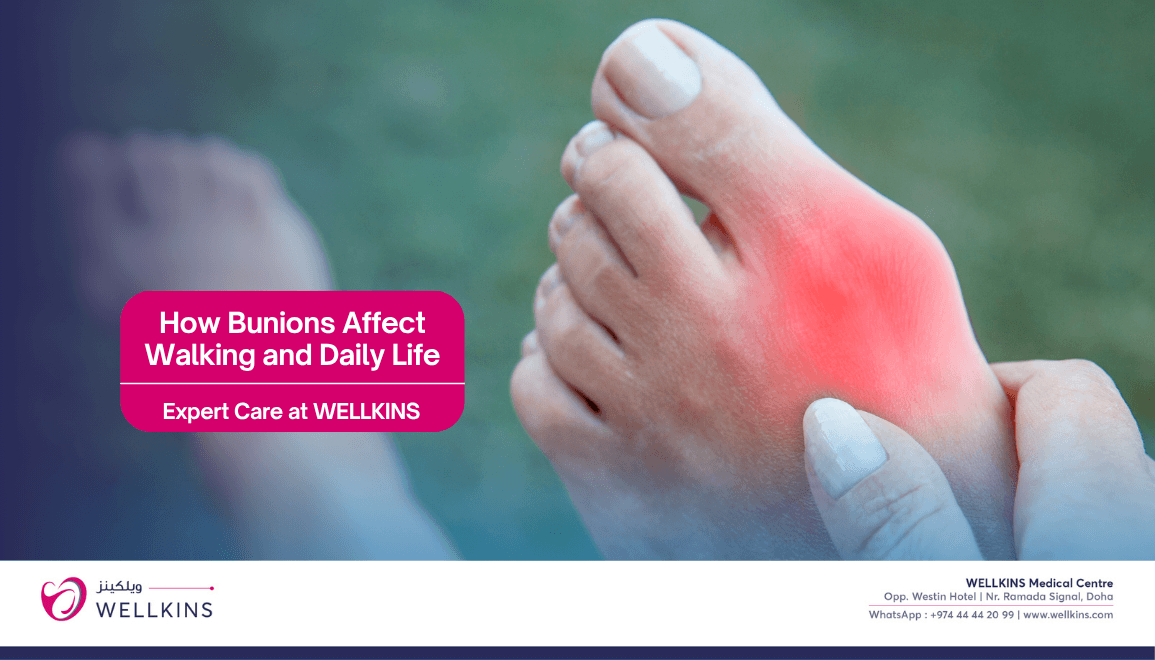
Bunion discomfort may appear during walking, prolonged standing or after wearing shoes that press directly on the joint. People sometimes compensate by placing more weight on the outside of the foot or shortening their stride.
These adaptations may reduce pressure temporarily but they can make movement less efficient. Assessment should therefore consider walking comfort and the rest of the forefoot rather than focusing only on the visible bump.
What Actually Helps Day to Day
Before considering surgery, several measures can reduce pressure and help a person remain active. The most suitable combination depends on footwear, activity level, foot shape and the source of the pain.
- Toe-box space over style. Shoes with a wide and deep toe box reduce direct compression of the big toe and the bunion prominence. The shoe should match the shape of the foot rather than expecting the foot to adapt to a narrow design.
- Targeted foot strengthening. Exercises for the small muscles of the foot may support stability and improve foot control. They should be selected according to mobility, pain and overall alignment.
- Spacers and padding. Properly fitted pads may cushion the prominence while a toe spacer may reduce rubbing between the big toe and second toe. These devices are intended mainly for comfort rather than permanent correction.
- Load management. During painful flare-ups, alternating high-impact exercise with swimming, cycling or another lower-impact activity can help maintain fitness without repeatedly irritating the joint.
- Orthotics when indicated. An insert may help redistribute pressure or support another contributing foot problem. Orthotics should be chosen for a clear mechanical reason rather than as a universal bunion cure.
- Short-term symptom control. Cold therapy and appropriate pain relief may help during a flare-up but medicines should be used according to professional advice and individual medical history.
These measures rarely reverse an established bunion. Their goal is to reduce friction, improve comfort and allow continued activity. For many people, that is enough to manage the condition for a considerable period.
A shoe should feel comfortable when first tried on rather than relying on it to stretch later. Measuring both feet, fitting to the larger foot and trying shoes towards the end of the day can help because feet may swell after prolonged standing or walking.
Recognizing When It’s Time for a Specialist Opinion
It is not necessary to wait until the deformity becomes severe before seeking an orthopedic assessment. Consider a specialist opinion if you experience:
- Pain that persists after changing to wider and more comfortable footwear
- A big toe that has started pressing against or overlapping the second toe
- Redness, swelling or skin irritation that repeatedly returns
- Difficulty walking, exercising or completing usual work activities
- New pain under the ball of the foot or around the smaller toes
- A noticeable change in where you place weight while walking
- Progressive stiffness or reduced movement at the big-toe joint
Diagnosis usually begins with a clinical examination. The doctor will assess toe position, joint movement, skin pressure points, arch shape and the way the foot bears weight.
A standing or weight-bearing X-ray may be recommended because foot alignment changes when body weight is applied. It can show the angles between the bones, the severity of the deformity and whether arthritis or another joint change is present.
Surgery is generally considered when pain or difficulty walking continues despite appropriate non-surgical treatment. The objective is not simply to remove a bump for appearance. It is to relieve symptoms by correcting the relevant alignment and restoring a more functional position.
When a Bunion Needs Orthopedic Assessment
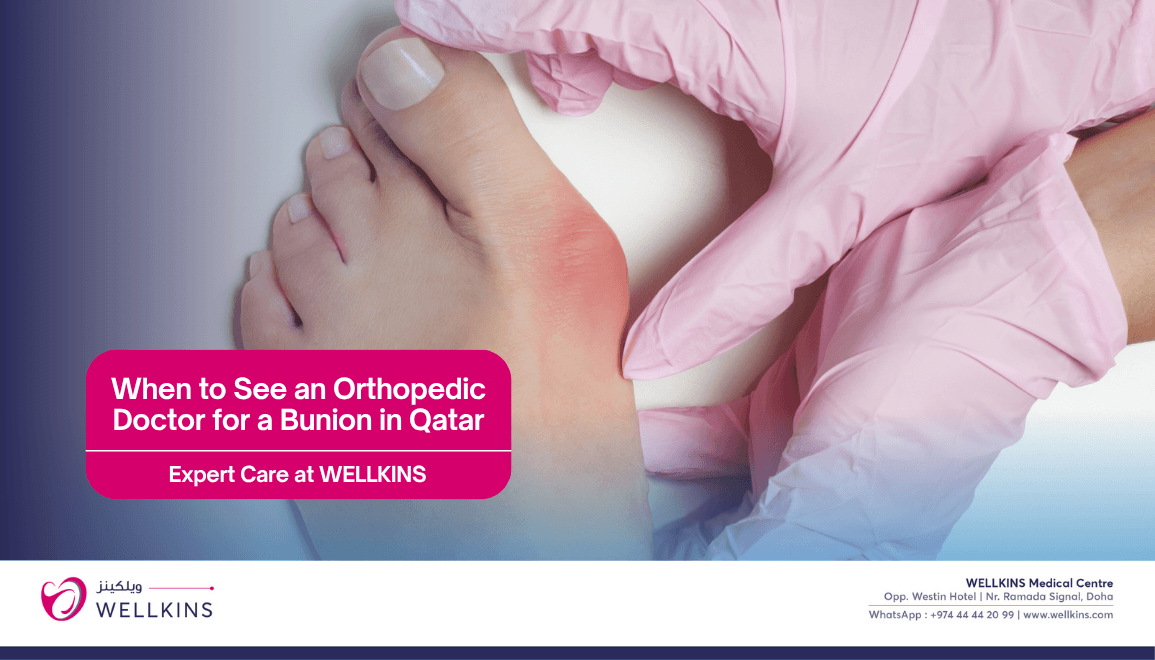
A specialist assessment can distinguish a bunion from other causes of a painful or swollen big-toe joint. It can also identify associated problems such as second-toe crowding, calluses, joint stiffness or arthritis.
If imaging is needed, weight-bearing X-rays help show how the bones align during standing. Treatment can then be based on symptoms, examination findings and the patient’s activity goals rather than the appearance of the foot alone.
The Takeaway
A bunion is rarely only a cosmetic bump and it is rarely sudden. It is the visible result of a progressive change in the alignment and mechanics of the big-toe joint.
Many painful bunions can be managed initially with suitable footwear, padding, activity modification and other targeted measures. When these steps are no longer enough, orthopedic assessment can clarify whether surgery or another treatment is appropriate.
If your foot has been quietly asking you to pay attention, it is worth listening before pain begins controlling your walking, work or preferred activities.
To book an appointment with Dr. Reneesh at Wellkins Medical Centre: https://wellkins.com/drreneesh
To know more about the Orthopedic services at Wellkins Medical Centre: https://wellkins.com/orthopedics