
Author: Dr. Reneesh, (Consultant Orthopedic Surgeon – Wellkins Medical Centre)
Inflammation of joints and muscles, whether due to injury, overuse, arthritis or systemic conditions, does not depend solely on medications and physiotherapy for recovery. Nutrition plays a critical and frequently underestimated role in modulating inflammation, promoting tissue repair and improving overall functional outcomes.
In orthopedic practice the conversation about diet and recovery is one that many patients have never had before they reach a specialist clinic. They focus on rest, medication and physiotherapy, which are all essential, but they overlook the significant influence that what they eat every day has on how quickly and how completely their body heals. At Wellkins Medical Centre, dietary guidance forms a consistent part of the orthopedic recovery conversation because the evidence supporting its impact is clear and the practical changes involved are genuinely achievable.
In Qatar’s specific context, where dietary patterns frequently include high levels of processed foods, refined carbohydrates and excess red meat alongside a relatively low intake of fresh vegetables and oily fish, the gap between what most patients are eating and what supports optimal musculoskeletal recovery is significant. Closing that gap does not require a complete dietary overhaul. It requires understanding which foods are working against recovery and which are actively supporting it.
The right dietary choices can complement treatment, reduce pain and accelerate healing. I emphasize this to every patient managing joint or muscle inflammation because the impact of diet on inflammatory pathways is measurable and clinically meaningful. A patient who is taking the right medication and doing their physiotherapy but eating a diet high in refined sugars and processed foods is making their own recovery harder. Equally a patient who makes specific anti-inflammatory dietary choices alongside their clinical treatment creates a biological environment in which healing happens faster and recurrence is less likely. Diet is not a replacement for orthopedic care. It is a powerful addition to it.
People Also Ask
Can diet affect joint inflammation and recovery?
Yes, significantly. Certain foods promote the inflammatory biochemical pathways that worsen joint pain and delay tissue healing while others actively reduce inflammatory markers and support the cellular repair processes that underpin recovery. An anti-inflammatory diet does not replace medication or physiotherapy but it creates a biological environment in which clinical treatment is more effective and in which the risk of prolonged or recurrent inflammation is meaningfully reduced.
Which foods are best for joint pain and inflammation?
The most consistently evidence-supported anti-inflammatory foods include oily fish such as salmon and sardines for their omega-3 content, colorful fruits and vegetables for their antioxidant and polyphenol compounds, olive oil and nuts for their monounsaturated fats and spices including turmeric ginger and garlic which contain natural compounds with direct anti-inflammatory activity. Adequate hydration is also a frequently overlooked factor in joint health, as water is essential for cartilage lubrication and the removal of inflammatory waste products from joint tissues.
What foods should I avoid with joint inflammation?
The primary dietary drivers of joint inflammation are refined sugars found in sweets and sugary drinks, processed and packaged foods high in trans fats and sodium, refined carbohydrates including white bread and white rice that cause rapid blood sugar spikes, excess red and processed meat and fried foods high in saturated and trans fats. Alcohol and carbonated drinks also increase inflammation and delay tissue healing and are worth reducing significantly during an active inflammatory episode.
Does excess weight affect joint inflammation?
Yes and this is one of the most direct and most clinically significant dietary and lifestyle connections in orthopedic practice. Every kilogram of excess body weight adds approximately four kilograms of additional load to the knee joint with each step. This mechanical loading increases the compressive stress on the joint surfaces, accelerates cartilage wear and maintains a state of low-grade inflammatory activity within the joint tissues. Weight management through diet is therefore not only about general health but about directly reducing the mechanical and biochemical drivers of joint pain and inflammation.
Why Diet Matters in Inflammation
Inflammation is the body’s natural and necessary healing response. When tissue is damaged whether through injury, overuse or disease the immune system initiates an inflammatory cascade that brings increased blood flow, immune cells and repair proteins to the affected area. In the short term this process is essential for healing.
However when inflammation becomes excessive or prolonged, as it does in chronic joint conditions, overuse injuries and systemic inflammatory arthritis, it delays recovery, worsens pain and contributes to further tissue damage rather than repair. This is where nutrition enters the picture.
Certain foods influence the biochemical pathways that regulate inflammation directly. They do this through several mechanisms including modifying the balance of pro-inflammatory and anti-inflammatory fatty acids in the cell membranes, providing antioxidants that neutralize the reactive oxygen species generated during inflammatory processes, influencing blood sugar stability which is directly linked to inflammatory cytokine production and providing the specific amino acids vitamins and minerals that the body requires for tissue repair and collagen synthesis.
In Qatar’s food environment where ultra-processed foods are widely available, fast food consumption is high and the traditional dietary patterns that provided protective anti-inflammatory nutrients have been significantly displaced by convenience eating, the dietary contribution to musculoskeletal inflammation is particularly relevant and particularly addressable.
Foods to Include: Anti-Inflammatory Diet
1. Fruits Rich in Antioxidants
- Berries: Blueberries, strawberries and raspberries contain exceptionally high concentrations of anthocyanins and flavonoids, plant compounds with potent anti-inflammatory activity that directly reduce oxidative stress in joint and muscle tissues.
- Oranges and Citrus Fruits: Rich in vitamin C which is essential for collagen synthesis, the process by which damaged connective tissue including cartilage, ligaments and tendons is repaired. Qatar’s high UV environment creates additional oxidative stress that vitamin C helps to counteract.
- Pomegranates: Contain punicalagins and punicic acid with strong anti-inflammatory properties that have been specifically studied in the context of joint health and arthritis.
- Apples: Provide quercetin, a flavonoid with anti-inflammatory and antioxidant activity that supports immune regulation and reduces inflammatory cytokine production.
2. Vegetables, Especially Green Leafy and Cruciferous
- Spinach and Kale: High in vitamin K which plays a role in bone metabolism and cartilage health, alongside magnesium and folate that support muscle function and tissue repair.
- Broccoli and Cauliflower: Cruciferous vegetables contain sulforaphane, a compound with documented anti-inflammatory activity that reduces the production of the inflammatory molecules that perpetuate joint pain.
- Carrots and Bell Peppers: Rich in beta-carotene and vitamin C respectively, providing antioxidant protection for joint tissues alongside their broader nutritional contributions to metabolic health.
High vegetable intake is among the most consistently evidence-supported dietary interventions for reducing systemic inflammation. These foods provide antioxidants and fiber that regulate inflammatory pathways and improve overall metabolic health in ways that directly benefit musculoskeletal recovery.
3. Healthy Fats
- Olive Oil: Extra virgin olive oil contains oleocanthal, a compound that inhibits the same inflammatory enzymes targeted by non-steroidal anti-inflammatory drugs. Used as the primary cooking oil it provides a consistent daily anti-inflammatory input without the side effect profile of pharmaceutical NSAIDs.
- Nuts: Almonds provide vitamin E and monounsaturated fats with anti-inflammatory activity. Walnuts are particularly valuable for their plant-based omega-3 content.
- Seeds: Flaxseeds and chia seeds are among the richest plant-based sources of alpha-linolenic acid, a precursor to the anti-inflammatory omega-3 fatty acids that reduce the production of pro-inflammatory eicosanoids.
4. Protein Sources for Tissue Repair
- Lean Meats: Chicken and turkey provide high-quality complete protein essential for the synthesis of collagen and structural proteins in muscle, tendon and cartilage repair without the pro-inflammatory saturated fat load of red meat consumed in excess.
- Oily Fish: Salmon, mackerel and sardines are the most clinically valuable protein sources for musculoskeletal inflammation because they combine complete protein with high concentrations of EPA and DHA, the omega-3 fatty acids with the strongest evidence base for reducing joint inflammation and pain.
- Plant-Based Proteins: Lentils and beans provide protein alongside fiber and a range of micronutrients that support tissue repair and metabolic health. For patients managing excess body weight, plant-based proteins provide satiety with a lower caloric density than animal proteins.
5. Whole Grains
- Oats: Provide beta-glucan, a soluble fiber with documented anti-inflammatory activity alongside sustained energy release that avoids the blood sugar spikes associated with refined carbohydrates.
- Brown Rice: Retains the bran and germ layers that white rice processing removes, providing fibred, B vitamins and magnesium that support muscle and nerve function alongside more stable glycemic impact than its refined equivalent.
- Quinoa: A complete protein source that also provides fibre and a full spectrum of essential amino acids, making it particularly valuable as a carbohydrate source for patients requiring both sustained energy and tissue repair support.
Whole grains provide sustained energy and help maintain stable blood sugar levels, directly reducing the inflammatory responses triggered by the rapid glucose spikes that refined carbohydrates produce.
6. Spices With Medicinal Properties
- Turmeric: Curcumin, the active compound in turmeric, is one of the most extensively researched natural anti-inflammatory agents available. It inhibits the same inflammatory pathways targeted by many pharmaceutical anti-inflammatory medications. Combining turmeric with black pepper significantly enhances curcumin absorption. In Qatar’s culinary tradition where turmeric is already a common cooking ingredient, increasing its use is a practical and culturally accessible recommendation.
- Ginger: Contains gingerols and shogaols with proven anti-inflammatory and analgesic activity. Regular consumption of fresh or dried ginger has been shown to reduce joint pain and stiffness in patients with osteoarthritis in clinical trials.
- Garlic: Provides diallyl disulphide and other sulphur compounds that suppress inflammatory cytokines and support immune regulation. Regular use of garlic in cooking provides a consistent low-level anti-inflammatory input that complements more targeted dietary changes.
7. Adequate Hydration
- Water: Cartilage is approximately 70 percent water and adequate hydration is essential for maintaining the shock-absorbing capacity of joint cartilage and the viscosity of the synovial fluid that lubricates joint surfaces. In Qatar’s intense heat where chronic mild dehydration is extremely common, maintaining a minimum of two to three liters of water daily is a practically important recommendation for all patients managing joint conditions.
- Coconut Water: Provides natural electrolytes including potassium and magnesium that support muscle function and reduce cramping alongside its hydrating contribution. A useful option for patients who find plain water difficult to consume in adequate volumes throughout the day.
Foods to Avoid: Pro-Inflammatory Triggers
1. Refined Sugars
Sweets, pastries and sugary drinks including the sweetened teas and sodas that are consumed in significant quantities across Qatar’s diverse population dramatically increase the production of inflammatory cytokines in the body. High sugar intake also contributes to excess body weight and insulin resistance, both of which independently maintain a state of chronic low-grade inflammation that worsens joint symptoms.
2. Processed and Packaged Foods
Chips, fast food and ready-to-eat meals are high in trans fats, preservatives and sodium, all of which promote inflammation through multiple biochemical pathways. Trans fats in particular are incorporated into cell membranes and shift the balance of inflammatory mediators in the body in ways that are directly detrimental to joint tissue health and healing.
3. Refined Carbohydrates
White bread, white rice and pasta cause rapid spikes in blood sugar that trigger the same inflammatory pathways as sugar consumption. For patients in Qatar where white rice is a staple at most meals, switching to smaller portions of brown or red rice or to whole grain alternatives is one of the most impactful single dietary changes available for reducing the inflammatory dietary burden.
4. Excess Red and Processed Meat
Sausages, bacon and frequent high-volume red meat intake are linked to increased inflammatory markers through their high saturated fat content and through the production of advanced glycation end products during high-heat cooking. Moderate consumption of lean red meat is not necessarily harmful but excess is consistently associated with higher systemic inflammatory activity.
5. Fried Foods
Deep-fried snacks and fast food items are high in unhealthy oxidized fats that aggravate inflammation at the cellular level. The oils used in commercial deep frying are typically high in omega-6 fatty acids and become further pro-inflammatory through the heating process, producing compounds that directly stimulate inflammatory pathways in joint and muscle tissues.
6. Excess Dairy (in Some Individuals)
Dairy products may worsen inflammation in patients with specific sensitivities to casein or lactose, though this is not a universal response. Patients who notice a consistent worsening of joint symptoms with dairy consumption should discuss a trial elimination with their clinician. For those without sensitivity, low-fat dairy products remain a useful source of calcium and protein in a musculoskeletal recovery diet.
7. Alcohol and Carbonated Drinks
Alcohol increases inflammatory markers, impairs tissue repair processes and interferes with the metabolism of many medications used in orthopedic management. Carbonated drinks, including diet versions, are associated with increased inflammation through their acidity and in many cases their high sugar or artificial sweetener content. Both are worth significantly reducing during an active inflammatory episode and limiting as part of long-term joint health maintenance.
Practical Dietary Advice
- Prefer Home-Cooked Fresh Meals Over Processed Foods: Home cooking allows control over oil type, salt content and ingredient quality in ways that commercial and packaged food preparation does not. Even simple home-cooked meals of grilled protein with vegetables and whole grains represent a substantial anti-inflammatory improvement over a typical takeaway or processed meal option.
- Maintain Balanced Meals With Protein, Healthy Fats and Fiber: Building each main meal around a quality protein source, a serving of vegetables and a small portion of whole grain with a drizzle of olive oil provides a practical template that addresses the key anti-inflammatory dietary principles without requiring complex meal planning.
- Avoid Overeating as Excess Weight Increases Joint Stress: Portion awareness matters as much as food quality. Even healthy foods consumed in excessive quantities contribute to weight gain that directly increases the mechanical and inflammatory burden on weight-bearing joints. In a population where overweight and obesity rates are high, portion management is a particularly relevant practical guidance point.
- Combine Diet With Adequate Rest, Physiotherapy and Prescribed Medication: Dietary modification is an adjunct to rather than a replacement for clinical orthopedic management. The combination of appropriate medication, structured physiotherapy and anti-inflammatory dietary choices produces outcomes that no single element achieves alone.
- Make Changes Gradually and Sustainably: Dramatic overnight dietary overhauls are rarely sustained. Identifying one or two specific changes to implement each week, such as replacing white rice with brown rice or switching from sugary drinks to water, builds sustainable long-term dietary patterns that continue to benefit joint health well beyond the acute recovery period.
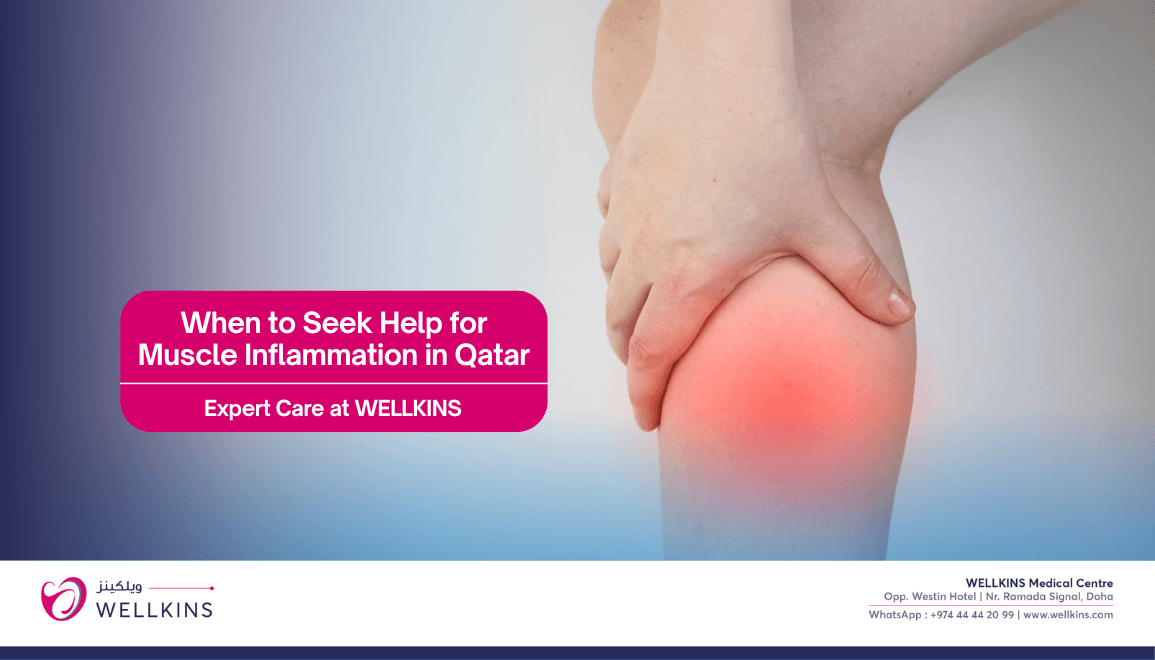
When to Seek an Orthopedic Consultation at Wellkins
While diet plays a meaningful role in modulating inflammation and supporting recovery, it is not a substitute for clinical assessment when symptoms warrant specialist attention. You should book an orthopedic consultation at Wellkins Medical Centre if:
- Joint or muscle pain has persisted for more than four to six weeks despite rest and conservative home management.
- Swelling, warmth or redness around a joint is present alongside pain, suggesting active inflammatory or infectious pathology requiring assessment.
- Pain is severe enough to interfere with sleep, work or daily mobility.
- You have made consistent dietary improvements alongside physiotherapy but symptoms are not improving as expected.
- You want a personalized dietary and lifestyle recommendation integrated with your clinical orthopedic management plan rather than generic guidance.
While diet alone cannot cure joint or muscle inflammation, it significantly influences recovery speed and symptom severity. An anti-inflammatory diet when combined with appropriate orthopedic care improves outcomes, reduces recurrence and enhances quality of life in ways that are measurable and meaningful.
The plate in front of you at every meal is either working for your recovery or working against it. Making it work for you is one of the most direct and most empowering things you can do for your own healing.
To book an appointment at Wellkins Medical Centre: https://wellkins.com/drreneesh
To know more about the Othepedic services at WELLKINS https://wellkins.com/orthopedics