
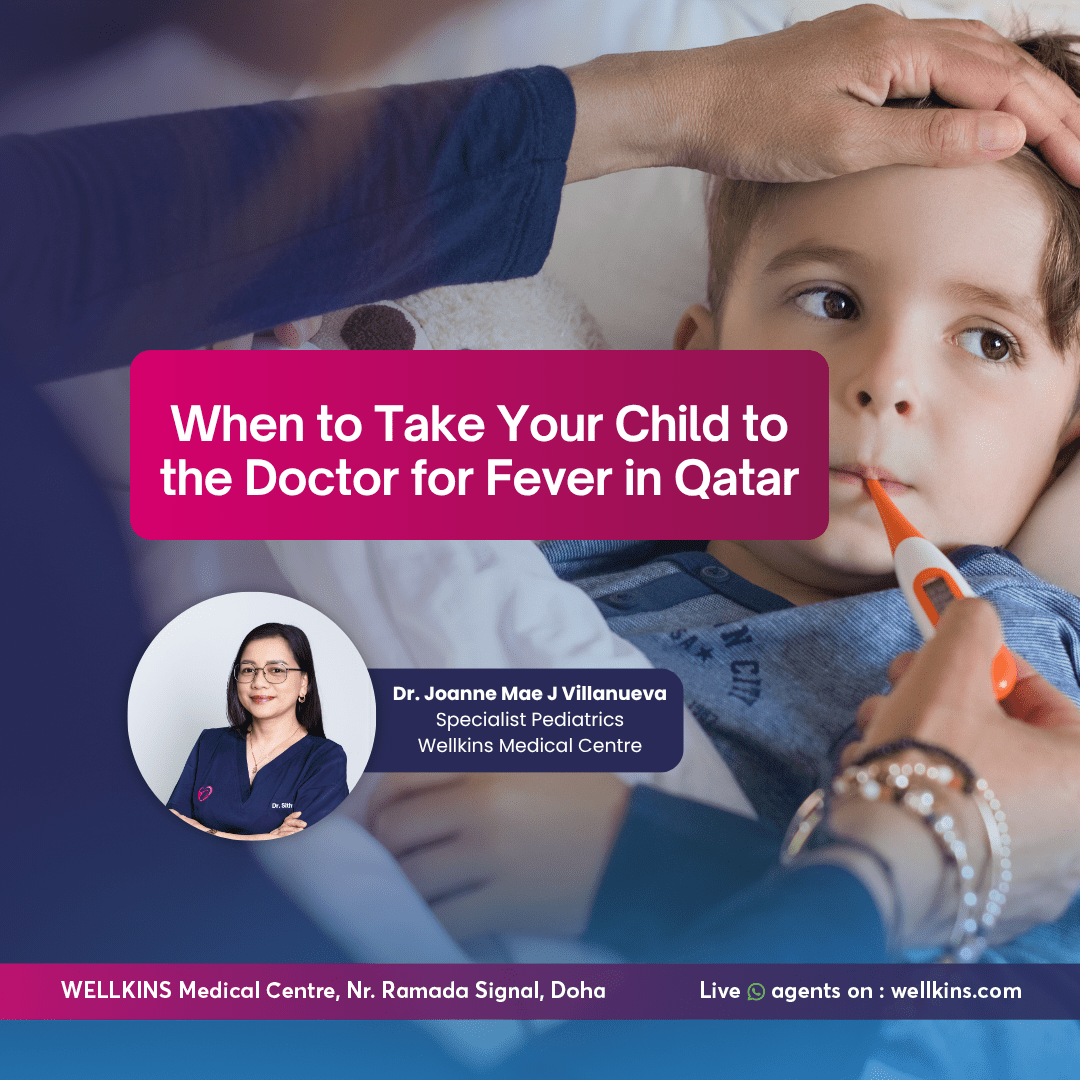
Author: Dr. Joanne Mae J Villanueva, (Specialist Pediatrics – Wellkins Medical Centre)
It is 2:00 AM. You reach over to check on your child and their forehead feels like a furnace. You grab the thermometer, watch the number climb and your heart immediately drops. Should you rush to the emergency room right now? Should you wait until the morning? Is this serious or is this just a normal childhood illness passing through?
This is one of the most common and most anxiety-laden moments in parenting and it happens to almost everyone. At Wellkins Medical Centre, fever-related concerns are among the most frequent reasons parents contact us, both in clinic and after hours. The fear is completely understandable. But in most cases it is also more intense than the situation warrants.
Before looking at when to go to the doctor, every parent needs to understand what a fever actually is. A fever is not a disease. It is a symptom. More importantly it is a sign that your child’s immune system is working exactly the way it is supposed to. The fever is the body turning up the heat to make the internal environment hostile for viruses and bacteria. It is your child’s own defense mechanism fighting back actively and intelligently.
So how do parents know when the body is doing its job safely and when it needs professional medical support? There are three distinct areas that must always be considered together: age, behavior and duration.
Fever phobia is one of the most consistent challenges I encounter in pediatric practice. Parents arrive in clinic at 2 AM with a child who is playing in the waiting room, or they delay bringing in a genuinely unwell child because the thermometer number does not seem alarming enough. The thermometer is one piece of information. It is the child in front of you that tells the real story. A fever of 103 degrees in a child who is drinking, responding and briefly playful after medication is almost always manageable at home. A child with a fever of 100.8 degrees who is limp, unresponsive and refusing all fluids needs to be seen immediately. Learn to read your child. That skill is more reliable than any number on a screen.
People Also Ask
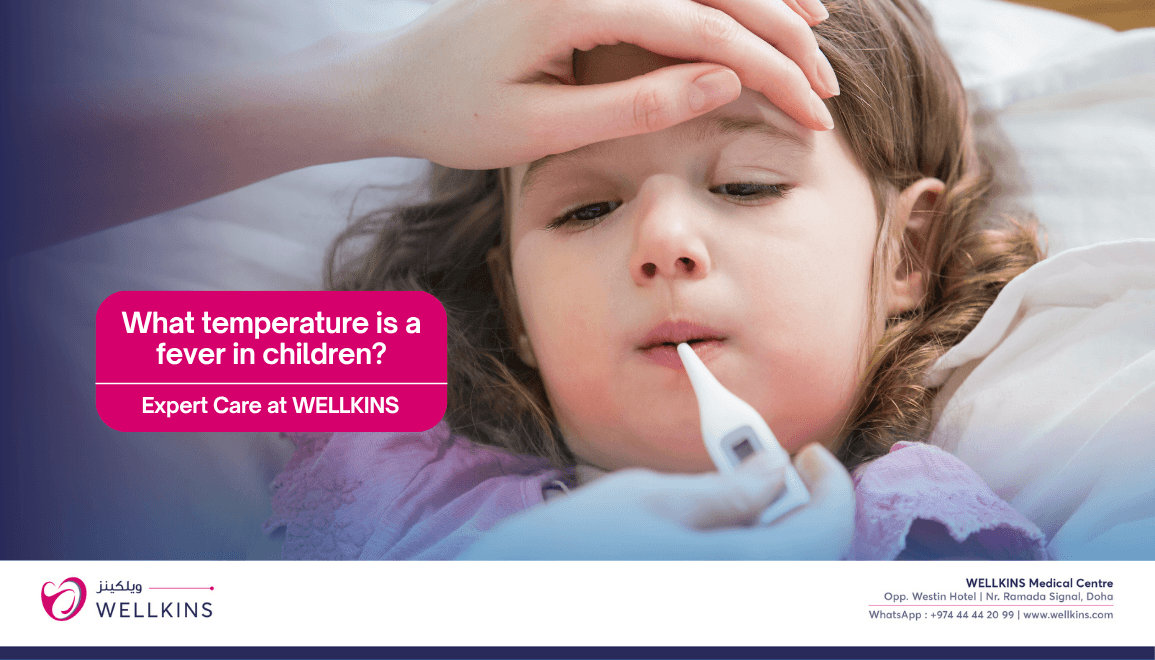
What temperature is considered a fever in children?
A rectal temperature of 38 degrees Celsius or 100.4 degrees Fahrenheit or above is the clinical threshold for fever in infants under three months old and this constitutes an automatic medical emergency in this age group. For babies between three and six months a temperature reaching 38.3 degrees Celsius or 101 degrees Fahrenheit warrants a call to your pediatrician. For children over six months the number itself matters less than the child’s behavior and how they are responding. A fever of 39 degrees or higher in a child who is acting relatively well after medication is far less concerning than a temperature of 38.5 degrees in a child who is lethargic and refusing all fluids.
When should I take my child to the emergency room for a fever?
Any fever in a baby under three months requires emergency assessment without delay. For older children the most important emergency warning signs are extreme lethargy or inability to be roused, signs of significant dehydration including dry mouth and no tears when crying, breathing difficulties including rapid breathing or chest indrawing, a fever accompanied by an unexplained new rash, inconsolable crying that nothing relieves and a fever that does not respond at all to the correct dose of paracetamol or ibuprofen after one hour. When in doubt about any of these signs, always seek assessment.
How long can a fever last in children before I should worry?
For children over six months, a fever lasting more than three consecutive days requires a pediatrician review even if the child appears to be coping reasonably well. A fever that persists beyond 72 hours without clear resolution may indicate a secondary bacterial infection including an ear infection, strep throat or urinary tract infection that requires specific antibiotic treatment. A fever that repeatedly returns to normal and then rises again, or one that worsens after initial improvement, also warrants clinical assessment rather than continued home management.
Should I always give fever medication when my child has a fever?
Medication is not automatically required for every fever. The goal of giving paracetamol or ibuprofen is to improve the child’s comfort and allow them to drink fluids more readily, not to bring the temperature to normal as a target in itself. If a child with a fever is comfortable, drinking adequately and resting reasonably well, medication may not be necessary. When the fever is causing distress, interfering with fluid intake or significantly disrupting sleep, appropriate medication at the correct weight-based dose provides meaningful relief and supports recovery.
De-Escalating Fever Phobia
Fever phobia is a real and well-documented phenomenon in pediatric medicine. It refers to the excessive anxiety that parents and caregivers experience around childhood fevers, often leading to unnecessary emergency visits, inappropriate use of medications and significant family distress that the clinical situation does not warrant.
In Qatar, where access to medical facilities in Doha is excellent and where parents understandably want to do everything possible for their child’s wellbeing, the tendency to respond to any fever with urgency is particularly common. Understanding the biology of fever reframes the experience entirely.
When the body detects an invading pathogen whether viral or bacterial, it releases proteins called pyrogens that signal the hypothalamus to raise the body’s core temperature set point. This elevated temperature interferes with the replication of many viruses and bacteria, activates immune cells more effectively and enhances the production of antibodies. The fever is not the enemy of recovery. In most cases it is part of the recovery process itself.
This does not mean that all fevers are benign or that none require medical attention. It means that the fever number alone is a poor guide to clinical urgency and that understanding what to look for alongside the temperature is what equips parents to make sound and calm decisions at 2 AM.
The Golden Rule: Age Trumps Everything
The very first question every parent must ask when their child develops a fever is simple: how old are they? Age completely dictates the medical urgency of a fever and this principle overrides every other consideration.
- Under Three Months Old: The Newborn Zone: If your baby is under three months old and has a rectal temperature of 38 degrees Celsius or 100.4 degrees Fahrenheit or higher, this is an automatic medical emergency. Take them directly to the emergency room or call your pediatrician immediately without waiting to observe further. Newborn immune systems are fragile and immature. They cannot compartmentalize infections the way older children can and a fever may be the only visible sign of a serious infection including sepsis, meningitis or a urinary tract infection. In this age group there is no threshold below which a fever can be safely observed at home without medical input.
- Three to Six Months Old: For babies in this window the threshold shifts slightly. If their temperature reaches 38.3 degrees Celsius or 101 degrees Fahrenheit or higher you should call your pediatrician for guidance rather than attending the emergency room automatically in every case. However the clinical advice will depend on how the baby is feeding, how they are behaving and whether any other symptoms are present alongside the temperature.
- Six Months and Older: Once a child reaches six months of age the exact number on the thermometer matters considerably less than how the child is actually behaving. A fever of 39 degrees Celsius in a toddler can be entirely normal for a standard childhood viral illness. The focus shifts from the number to the child and this shift in perspective is one of the most practically useful things a parent can internalize for managing childhood fevers calmly and appropriately.
Behavior: Treat the Child, Not the Thermometer
For children over six months old the governing clinical principle is always to treat the child not the thermometer. This is the most important practical message in this entire guide and it is worth reading twice.
Parents understandably tend to fixate on numbers. A temperature of 101 degrees feels manageable and 104 degrees feels catastrophic. But medically that is not how urgency is assessed. Consider two scenarios.
Scenario A involves a two-year-old with a fever of 103.5 degrees Fahrenheit. After the correct dose of medication was given, the child perked up, drank a cup of water, played with blocks and smiled at their parent.
Scenario B involves a two-year-old with a fever of 100.8 degrees Fahrenheit who is completely listless, lying flat and still on the couch, whimpering quietly, refusing to make eye contact and will not take a single sip of fluid despite every effort to encourage them.
Which child needs the doctor more urgently? Scenario B, without question. Despite the significantly lower temperature the child’s behavior signals a level of compromise that warrants clinical assessment. The thermometer told a reassuring story. The child told a different one entirely.
When assessing a child over six months old the following specific warning signs must always be considered alongside the temperature reading.
- Lethargy: This does not simply mean sleepy. A feverish child will always be sleepy and this alone is not a warning sign. True lethargy means the child cannot be woken up at all, or when they do wake they cannot sustain wakefulness, are unresponsive to their parent’s voice and show none of their normal reactivity to familiar people or stimulation. This is a red flag requiring immediate assessment.
- Signs of Dehydration: Refusing all fluids is itself a significant warning sign. Combined with a dry mouth, no tears when crying and significantly fewer wet nappies than usual, specifically fewer than four in a twenty-four hour period, these signs indicate that the child’s fluid status is becoming compromised and that intravenous fluids may be needed.
- Breathing Difficulties: Breathing that is significantly faster than the child’s normal rate, visible working of the accessory breathing muscles, chest indrawing where the skin between the ribs pulls in with each breath and any blue discoloration around the lips all require emergency assessment without delay.
- Inconsolable Crying: When a child cries continuously for hours and nothing, not holding, rocking, feeding, distraction or medication, provides any relief at all, this persistence and intensity of distress warrants clinical evaluation.
- A New Unexplained Rash: A fever accompanied by a sudden rash, particularly one that does not fade when a glass is pressed against it, needs to be evaluated as a matter of urgency. A non-blanching rash alongside fever is a potential sign of meningococcal disease and requires immediate emergency assessment.
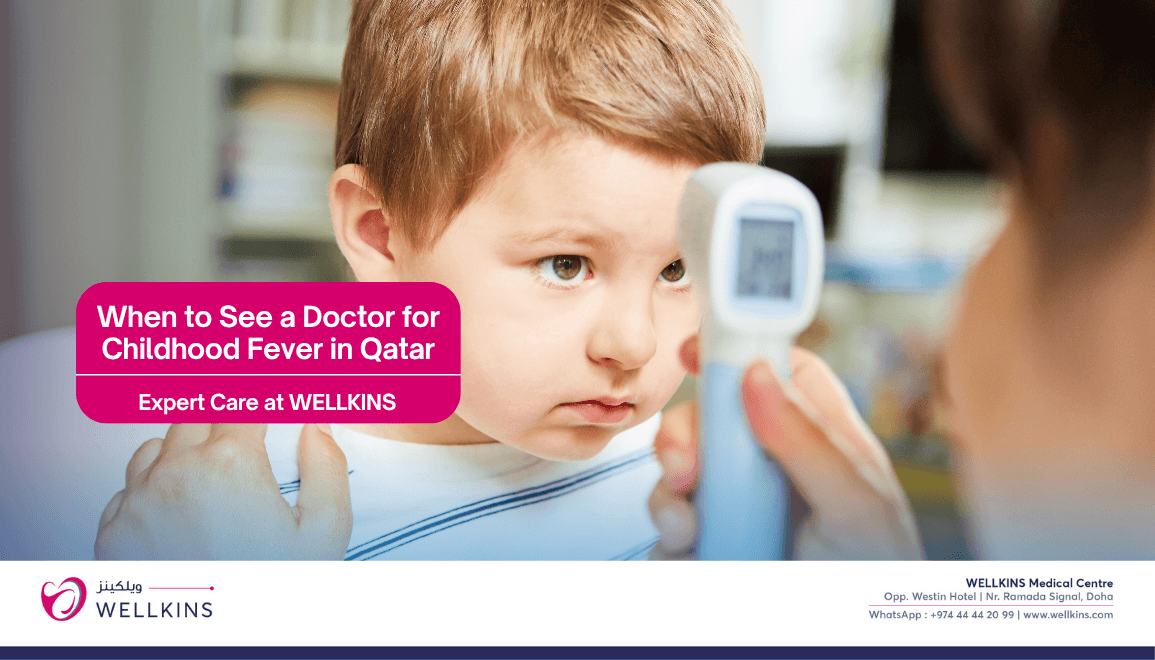
Duration: When Time Dictates a Visit
Sometimes a child looks relatively well, is coping with the fever and does not display any of the behavioral warning signs described above. But the fever simply will not resolve after several days. This is where the element of time becomes the deciding factor for seeking medical review.
- The Three Day Rule: For children over six months old, if a fever lasts for more than three consecutive days, meaning 72 continuous hours, they need to see a pediatrician even if they are behaving relatively normally and meeting all the reassuring criteria described above. A fever persisting beyond this window raises the clinical possibility of a secondary bacterial infection including an ear infection, strep throat or urinary tract infection that will not resolve without antibiotic treatment. These secondary infections are common in Qatar’s nursery and school populations where viral illnesses circulate frequently and can create the conditions for bacterial superinfection.
- The Medication Test: If the correct weight-appropriate dose of paracetamol or ibuprofen has been given and the fever does not drop at all after one hour, and the child remains highly distressed and uncomfortable, this failure to respond to appropriate medication warrants a medical review. Most childhood fevers will show at least partial improvement in temperature and in the child’s comfort level within an hour of the correct medication dose.
- Fever That Returns After Seeming to Resolve: A child whose temperature normalizes for a day and then rises again, particularly if accompanied by new symptoms such as ear pain, throat symptoms or urinary symptoms, should be seen by a pediatrician to evaluate for a secondary infection that has developed alongside or following the initial viral illness.
Practical Fever Management at Home
For children over six months who do not meet any of the warning criteria above, the following practical measures support comfort and recovery during a fever.
- Encourage Fluid Intake: Keeping a feverish child well hydrated is the single most important home management priority. Water, diluted juice, oral rehydration solutions and for infants breast milk or formula should all be offered frequently even in small amounts. A child who is drinking adequately is managing the fever far more safely than one who is not.
- Appropriate Medication at the Correct Dose: Paracetamol and ibuprofen are both effective for managing fever and discomfort in children over the appropriate ages. Doses are always based on the child’s weight not their age. Never give aspirin to a child with a fever. Alternating paracetamol and ibuprofen may be suggested by a clinician in specific circumstances but should not be routine practice without medical guidance.
- Light Clothing and a Comfortable Temperature: Dress the child in a single comfortable layer and keep the room at a comfortable ambient temperature. Do not bundle a feverish child in heavy blankets as this prevents the body from dissipating the heat it needs to release. Do not apply cold water sponging as this can cause shivering which actually raises the core temperature further.
- Monitor and Reassess Regularly: Check the child’s temperature, fluid intake and behavior every few hours throughout a febrile illness. What appears reassuring in the early stages of a fever can change and regular reassessment ensures that any deterioration in the child’s condition is identified promptly.
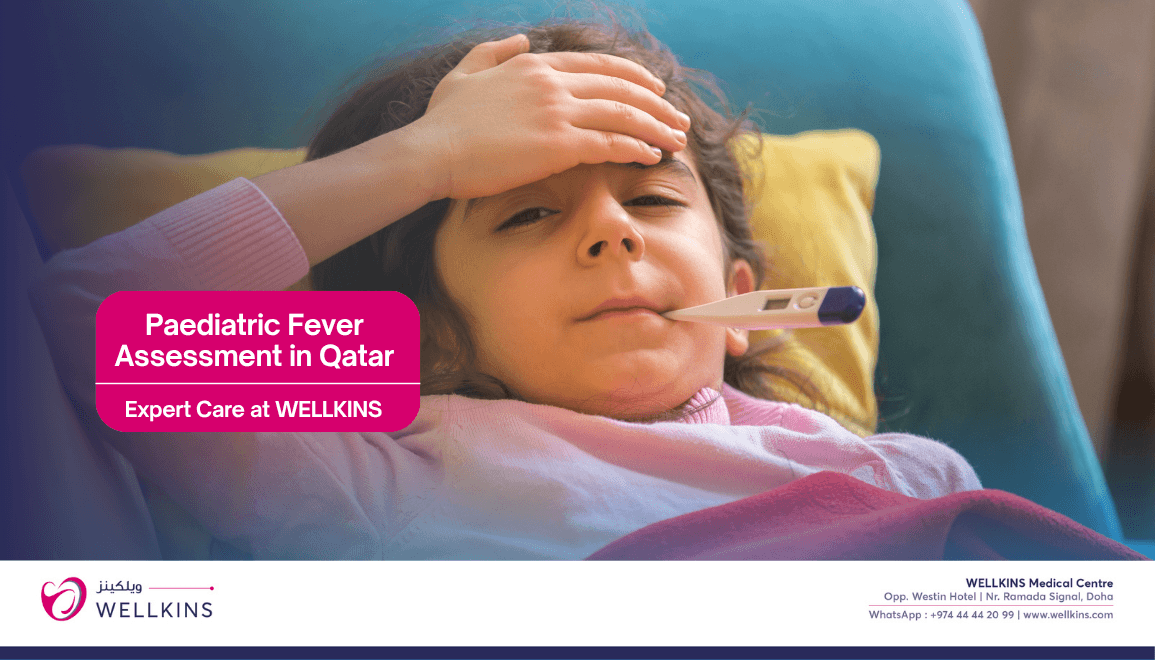
When to Seek Paediatric Assessment at Wellkins
Seek immediate emergency assessment if:
- Your baby is under three months old and has any fever of 38 degrees Celsius or above.
- Your child is lethargic in the clinical sense, meaning they cannot be fully roused or are unresponsive to your voice and familiar faces.
- Your child shows signs of significant dehydration including dry mouth, no tears when crying and fewer than four wet nappies in twenty-four hours.
- Your child is breathing significantly faster than normal or showing signs of breathing difficulty.
- A new rash has appeared alongside the fever, particularly if it does not fade when pressed.
- Your child is inconsolable for hours despite all attempts to provide comfort.
Book a routine pediatric appointment at Wellkins if:
- A fever has persisted for more than three consecutive days in a child over six months even if they appear relatively well.
- The fever is not responding to the correct dose of paracetamol or ibuprofen.
- A fever resolves and then returns, particularly alongside new symptoms.
- Your child is between three and six months old and has a temperature of 38.3 degrees Celsius or above.
And always, trust your parental instinct. You know your child better than any medical textbook or thermometer reading. If your gut tells you something is genuinely wrong, even if the fever is low and the child does not meet any specific criteria listed here, never hesitate to call your pediatrician. That is exactly what we are here for.
Parents who understand fevers respond more calmly, make better decisions at 2 AM and help their children recover more comfortably. That knowledge is one of the most valuable things you can carry into the years of parenting ahead.
To book an appointment at Wellkins Medical Centre: https://wellkins.com/drjoanne
To know more about the Pediatric services at WELLKINS: https://wellkins.com/pediatrics