
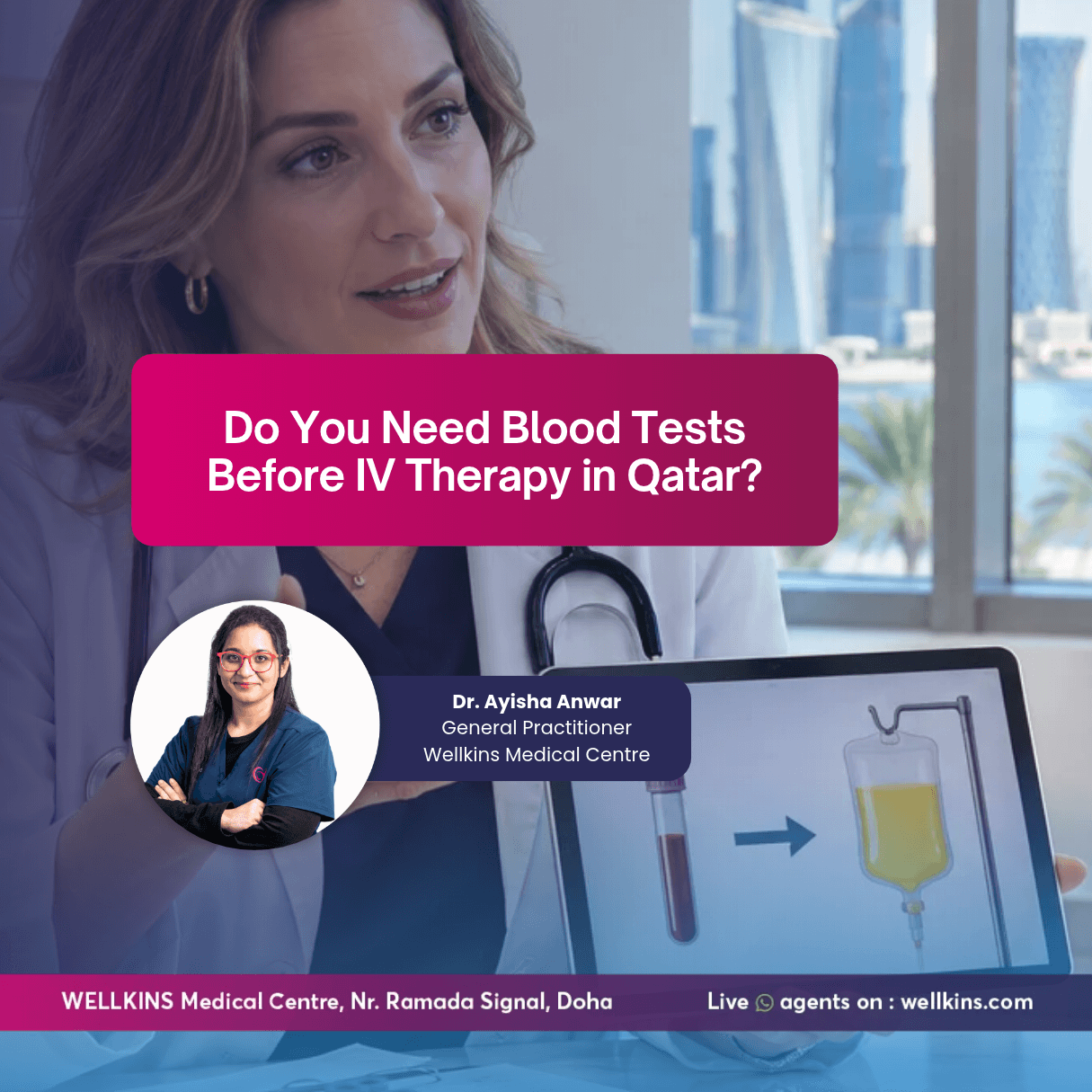
Author: Dr. Ayisha Anwar, (General Practitioner at WELLKINS Medical Centre)
Blood tests are an important part of deciding whether IV vitamin therapy is appropriate. Symptoms such as tiredness, weakness, poor concentration and low energy can be associated with a nutritional deficiency but they can also develop because of anaemia, thyroid problems, diabetes, infection, inadequate sleep or another medical condition.
A blood test can help identify whether a deficiency is present and guide the doctor towards the most appropriate treatment. It can also help prevent unnecessary infusions when oral supplements, dietary changes or another form of medical care may be more suitable.
People Also Ask
Why do I need blood tests before an IV drip?
Blood tests help determine whether a deficiency is present and whether IV therapy may be appropriate. They can also identify other possible causes of symptoms such as anemia, thyroid disease or diabetes.
Can I receive IV therapy if my blood results are normal?
If results do not show a reason for an infusion, your doctor may recommend another form of care. Receiving additional vitamins when your levels are already adequate may provide no meaningful benefit and could create unnecessary risk.
Which blood test checks vitamin levels?
There is no single test that measures every vitamin. The doctor selects individual tests such as vitamin B12, vitamin D, ferritin and iron studies according to your symptoms and risk factors.
Can I request an infusion before my results are ready?
At WELLKINS blood results are reviewed before the first infusion is booked. This allows the doctor to decide whether treatment is required and which approach is appropriate.
Will one blood test show why I am tired?
No single test can identify every cause of fatigue. Your doctor may combine several investigations with a clinical assessment to understand the most likely explanation.
Will I need blood tests after IV therapy?
Follow up testing may be recommended to confirm whether levels have improved and whether additional treatment is necessary. The timing depends on the deficiency, treatment and individual response.
Do You Need Blood Tests Before IV Therapy?
At WELLKINS Medical Centre baseline blood investigations are reviewed before the first IV vitamin therapy session is booked. This allows the doctor to determine whether an infusion has a clinical role and which nutritional concerns require attention.
The tests required are not identical for every patient. Your doctor selects them according to your symptoms, diet, medical history, medicines and any previously diagnosed health conditions.
An infusion should not be chosen only because you feel tired or want a general energy boost. Testing helps distinguish a measurable nutritional concern from another condition that requires different treatment.
“Blood tests give us objective information that symptoms alone cannot provide. They can show whether a vitamin or mineral deficiency is present and they may identify another explanation for fatigue or weakness. The purpose is not simply to approve an infusion. It is to understand what the patient needs and choose the safest treatment based on evidence.”
Why Blood Tests Matter Before IV Therapy
IV therapy delivers prescribed fluids and nutrients directly into the bloodstream. Since the digestive system is bypassed, the preparation becomes immediately available to the body.
This direct route makes proper selection and dosing especially important. Blood tests can help the doctor avoid giving nutrients that are not required and reduce the risk of excessive vitamin or mineral levels.
The results can also provide a baseline for comparison. If treatment is prescribed, follow up testing may show whether levels have improved and whether further treatment is needed.
Can Symptoms Confirm a Vitamin Deficiency?
No. Symptoms may suggest a possible deficiency but they cannot confirm one. Many nutritional deficiencies produce symptoms that overlap with other medical conditions.
For example, tiredness may occur with iron deficiency, low vitamin B12, thyroid disease, diabetes, sleep problems or emotional stress. Hair changes may be linked with nutrition but they can also be associated with hormonal conditions, genetics or scalp disorders.
A medical consultation and relevant investigations are needed before the cause can be identified. Treating a presumed deficiency without testing could delay diagnosis of the actual problem.

Which Blood Tests May Be Requested?
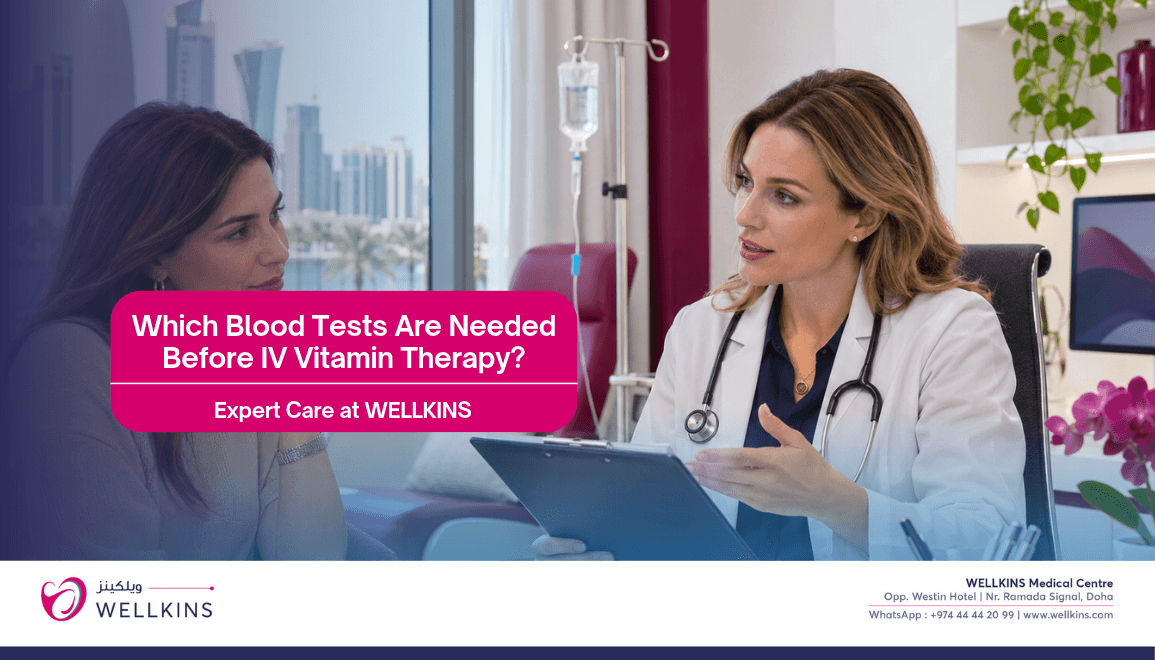
The investigations depend on your symptoms and medical history. A doctor may request one or more of the following tests before considering IV therapy.
- Complete blood count
- Iron studies and ferritin
- Vitamin B12
- Vitamin D
- Thyroid function
- Blood glucose or HbA1c
- Kidney function
- Liver function when clinically appropriate
- Electrolytes when clinically indicated
These tests provide different information. A complete blood count may identify anaemia while ferritin and iron studies help assess iron stores. Thyroid testing and HbA1c can reveal causes of fatigue that may not improve with vitamin therapy.
Complete Blood Count
A complete blood count measures different types of blood cells. It can help identify anaemia, infection and selected blood related abnormalities.
A low haemoglobin result may explain tiredness, shortness of breath, dizziness or reduced exercise tolerance. Further investigation may be necessary to identify whether the cause is iron deficiency, vitamin B12 deficiency, blood loss or another condition.
Iron Studies and Ferritin
Ferritin reflects the body’s stored iron while additional iron measurements help provide a clearer picture of iron status. Testing is particularly important before assuming that fatigue is caused by low iron.
Low iron may be associated with limited dietary intake, heavy menstrual bleeding, pregnancy related needs, digestive blood loss or impaired absorption. The underlying cause should be considered rather than repeatedly replacing iron without investigation.
Iron replacement is not the same as a multivitamin infusion. When iron deficiency is confirmed, the doctor will decide whether dietary advice, oral iron or a separately prescribed iron infusion is appropriate.
Vitamin B12
Vitamin B12 supports red blood cell production and normal nerve function. Low levels may be associated with fatigue, numbness, tingling, weakness or changes in concentration.
A deficiency may develop because of limited dietary intake, impaired absorption, digestive conditions or certain medicines. Treatment may involve oral supplements, injections or another approach depending on the cause and severity.
Vitamin D
Vitamin D is involved in bone health, muscle function and several other body processes. Low levels are relatively common but symptoms alone cannot determine whether a deficiency is present.
Testing can help establish whether supplementation is required and guide an appropriate dose. Excessive vitamin D intake can be harmful which is another reason to avoid taking high doses without medical advice.
Thyroid Function
Thyroid disorders can cause fatigue, weight changes, altered mood, dry skin, bowel changes and difficulty concentrating. These symptoms can easily be mistaken for a vitamin deficiency.
A thyroid function test helps determine whether the thyroid gland may be contributing to the symptoms. If a thyroid disorder is identified, appropriate thyroid treatment is more important than receiving an infusion for unexplained tiredness.
Blood Glucose and HbA1c
Blood glucose testing helps assess the amount of glucose in the blood while HbA1c provides information about average blood glucose over the previous few months.
High or unstable blood glucose can cause tiredness, increased thirst, frequent urination and changes in concentration. These findings require appropriate diabetes assessment and should not be managed through IV vitamin therapy alone.
Kidney and Liver Function
The kidneys and liver play important roles in processing nutrients, medicines and waste products. Reduced organ function can affect which ingredients or doses may be suitable.
Kidney function testing may be particularly important when intravenous fluids or certain nutrients are being considered. The doctor may also request liver tests when symptoms, medicines or medical history indicate that they are needed.
Do All Patients Need the Same Blood Test Panel?
No. A fixed panel may include tests that are not relevant to every person or it may miss an investigation that is important for a particular patient.
Someone with fatigue and heavy menstrual bleeding may require a different assessment from someone with digestive symptoms or long term medication use. The doctor should select investigations according to the individual clinical picture.
This personalized approach helps avoid unnecessary testing while making sure that important causes are not overlooked.
What Happens If Your Results Are Normal?
Normal vitamin results can be useful because they show that additional replacement may not be the answer. If testing does not identify a clinical reason for IV therapy, the doctor can investigate other possible causes of your symptoms.
This may include reviewing sleep, stress, hydration, medicines, diet and chronic medical conditions. Additional investigations or referral to another department may be recommended when appropriate.
At WELLKINS an infusion is not prescribed merely because the patient has requested one. If the results do not show a reason for treatment, the doctor will explain the findings and recommend a more suitable plan.
What Happens If a Deficiency Is Found?
The next step depends on the nutrient involved, the severity of the deficiency and why it developed. Finding a deficiency does not automatically mean that IV therapy is required.
Possible treatment options include:
- Dietary changes
- Oral vitamin or mineral supplements
- Vitamin injections when appropriate
- A medically prescribed intravenous treatment
- Treatment of an underlying digestive or medical condition
- Follow up testing to assess the response
If digestion and absorption are functioning normally, oral supplements may be effective and more convenient. IV treatment may be considered when intake is low, absorption is impaired or another clinical reason supports the intravenous route.
Can You Have IV Therapy Without Blood Tests?

Policies may differ between providers but IV vitamin therapy at WELLKINS begins with medical assessment and baseline investigations. Blood work and the infusion are normally arranged as separate visits so the results can be reviewed before treatment.
A consultation alone cannot always determine nutrient levels. Testing gives the doctor information that cannot be obtained by looking at symptoms or physical appearance.
A service offering infusions without asking about medical history, medicines, allergies or relevant investigations may not provide the level of screening needed for responsible patient care.
How Recent Should Your Blood Tests Be?
The doctor will decide whether previous results are recent enough to guide treatment. This depends on when the tests were completed, whether symptoms have changed and whether any treatment has been taken since then.
Bring copies of recent laboratory reports to your consultation. The doctor may accept relevant results or recommend repeating selected tests when updated information is needed.
Do Blood Tests Need Fasting?
Not every blood test requires fasting. Tests such as a complete blood count or vitamin B12 may often be performed without fasting but instructions can vary according to the full panel requested.
If glucose, lipids or other investigations are included, fasting may be recommended. Follow the instructions provided by the doctor or laboratory because eating before a fasting test may affect the result.
Do not stop prescribed medicines before testing unless your doctor specifically tells you to do so.
Can Supplements Affect Blood Test Results?
Yes. Vitamins, minerals and other supplements can influence certain test results. Some products also contain ingredients that patients may not realize are relevant to laboratory testing.
Tell your doctor about every supplement you take including multivitamins, sports nutrition products, herbal preparations and products marketed for hair or skin health. Do not discontinue a prescribed product without medical advice.
How WELLKINS Assesses Patients Before IV Therapy
The IV Therapy service at WELLKINS Medical Centre combines consultation, blood testing and clinical review. Every infusion is prescribed by a licensed doctor and administered by a trained nurse in a dedicated treatment room.
The usual process includes:
- A consultation to review symptoms and medical history
- Selection of relevant blood tests
- Laboratory testing before the infusion visit
- A doctor’s review of the results
- A discussion of suitable treatment options
- IV therapy only when it is prescribed
- Follow up according to the patient’s needs
This process helps ensure that treatment is based on clinical information rather than assumptions about what may be causing the symptoms.
How Long Does the IV Therapy Process Take?
Blood work and the infusion are completed on separate days. The infusion is usually arranged after the doctor has reviewed the results and confirmed that treatment is appropriate.
The IV session generally takes around 30 to 45 minutes followed by a short observation period. The number of sessions depends on the clinical indication and should not be selected as an automatic routine.
Are Blood Tests Included in the IV Therapy Price?
Blood tests are charged separately from the infusion. The exact cost depends on which investigations are required for your symptoms and medical history.
A single infusion session is currently listed at QR 500 while a prescribed course of three is listed at QR 1,200. Consultation and laboratory charges may apply separately. Confirm current prices when booking because service details can change.
When Should You Consult a Doctor?
Arrange an assessment if fatigue, weakness, dizziness, poor concentration or reduced exercise tolerance continues despite adequate sleep and regular meals. Medical advice is also recommended before beginning high dose supplements or combining several nutritional products.
Seek urgent medical care if fatigue occurs with chest pain, severe breathing difficulty, fainting, confusion, black stools, uncontrolled bleeding or rapidly worsening weakness. These symptoms should not be managed with supplements or IV therapy alone.
The Importance of Testing Before Treating
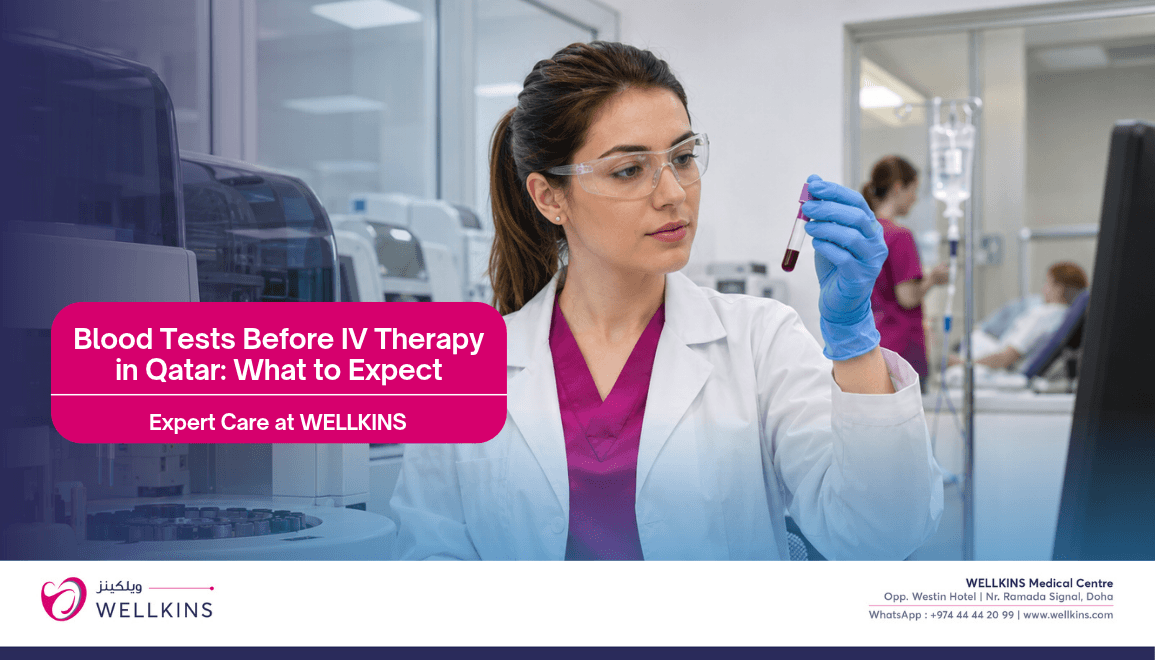
Blood tests make IV therapy more individual and evidence based. They help identify whether a nutritional deficiency exists and whether another medical condition requires attention.
A consultation with Dr. Ayisha Anwar can help determine which tests are relevant and whether oral supplements, dietary changes, IV therapy or another treatment may be suitable.
To learn more about assessment and medically supervised infusions, visit the IV Therapy page at WELLKINS Medical Centre.
You can also book an appointment with Dr. Ayisha Anwar.
Medical disclaimer: This article provides general health information and does not replace an individual medical consultation. Blood tests, supplements and IV therapy should be selected according to professional medical advice.