
Author: Dr. Reneesh, (Consultant Orthopedic Surgeon – WELLKINS Medical Centre)
Introduction
Growing pains are a common cause of recurrent leg pain in children. They are generally described as benign intermittent episodes of discomfort that affect the legs particularly in the evening or at night. Although these symptoms can worry parents, typical growing pains do not damage bones, muscles or joints and do not interfere with normal growth.
Growing pains most commonly occur in preschool and school aged children. The pain often affects both legs especially the thighs, calves, shins or areas behind the knees. Children are usually comfortable during the day and can participate in normal activities without difficulty.
Not every episode of leg pain in a growing child is caused by growing pains. Persistent, localised or progressive pain may indicate an orthopedic, inflammatory, infectious or other medical condition that needs assessment.
As an orthopedic surgeon, the priority is to recognise the typical pattern of benign growing pains while identifying warning signs that require examination or further investigation.
“The name growing pains can be misleading because the condition has not been proven to result directly from bones growing. The diagnosis depends on a recognisable pattern: intermittent discomfort that usually affects both legs in the evening or at night with normal activity and a normal examination between episodes. Pain that remains in one location, continues through the morning, causes a limp or occurs with swelling or fever needs a different approach. The aim is to reassure families when the pattern is typical while investigating symptoms that do not fit.”
People Also Ask
How can parents recognise typical growing pains?
Typical episodes commonly affect both legs during the evening or at night and are gone by the following morning. The child remains active during the day without persistent swelling, joint restriction or a limp.
Can growing pains happen in only one leg?
One sided discomfort can occasionally be reported, but persistent pain in the same leg or the same bone is not the usual pattern. A child with repeatedly localised pain should be medically assessed.
Do growing pains mean that a child is growing quickly?
There is no convincing evidence that the discomfort is directly caused by rapid bone growth. The term describes a pattern of recurrent childhood leg pain rather than a confirmed growth mechanism.
When should leg pain in a child be checked urgently?
Urgent assessment is appropriate when a child cannot bear weight or has severe localised pain, fever, a hot swollen joint or appears seriously unwell. A sudden limp or rapidly worsening symptoms should not be assumed to be growing pains.

1. What Are Growing Pains?
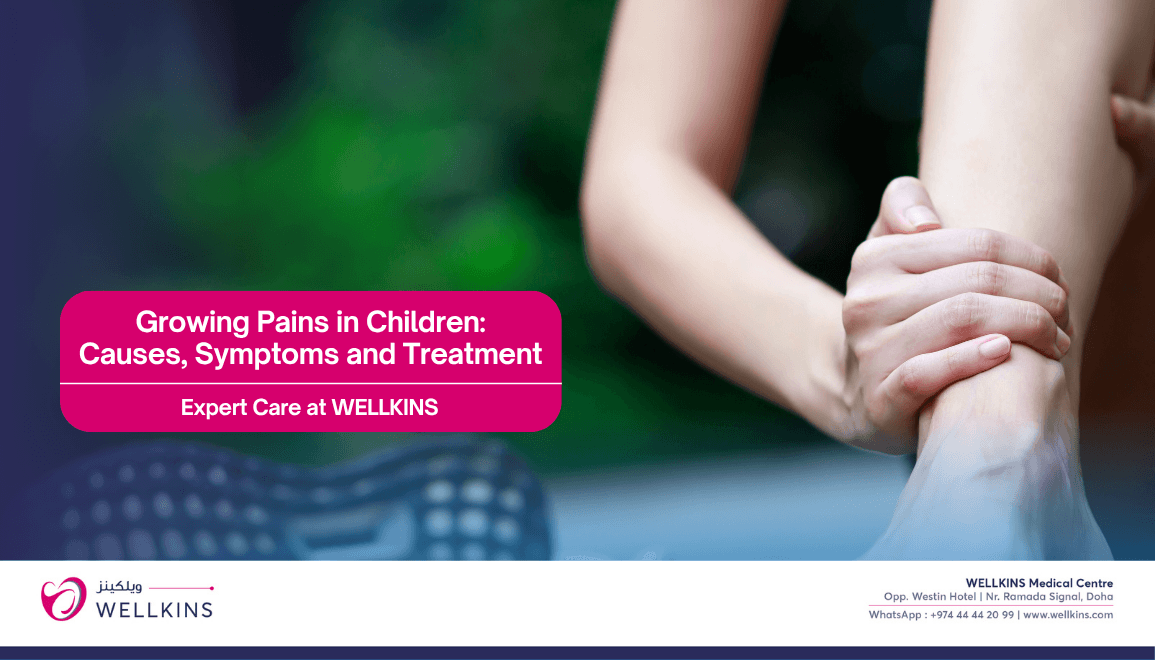
Growing pains are a clinical condition characterised by recurrent episodes of leg pain in children without an identifiable underlying disease. They are sometimes referred to as benign nocturnal limb pains of childhood.
Despite the name, there is no convincing evidence that the pain is directly caused by bones growing rapidly. The exact cause remains uncertain and the term is used to describe a characteristic symptom pattern rather than a confirmed growth related mechanism.
Typical growing pains:
- Occur intermittently often in the late afternoon, evening or at night
- Commonly affect both legs
- Usually resolve by the following morning
- Do not cause persistent joint swelling or redness
- Do not cause a persistent limp or restriction of normal activity
- Occur with a normal physical examination between episodes
A child who is pain free and active the next morning may fit the typical pattern. Repeated pain in one precise location or pain that changes the way the child walks deserves further assessment.
Recognising the Typical Pattern of Growing Pains
The timing and distribution of pain provide useful clues. Parents can note whether the discomfort affects both legs, begins after an active day and completely settles by morning.
A short symptom record can help during consultation. Include the painful area, time of onset, duration, daytime activity and any swelling, fever or difficulty walking.
2. What Are the Causes of Growing Pains in Qatar?
The precise cause of growing pains has not been established. Several factors have been proposed, but none explains every case.
A. Increased Physical Activity
Some children experience more pain on days involving running, jumping, sports or prolonged physical activity. Repetitive loading may contribute to discomfort in susceptible children.
Growing pains are not simply muscle fatigue and their relationship with physical activity varies. Pain that consistently occurs during activity or prevents participation requires assessment for overuse injury or another musculoskeletal condition.
B. Lower Pain Threshold
Some research suggests that children with growing pains may have increased sensitivity to pain. This may help explain why recurrent discomfort can occur despite a normal musculoskeletal examination.
Pain sensitivity does not mean that a child is exaggerating. The symptoms are real and deserve calm reassurance plus appropriate evaluation when the pattern is atypical.
C. Familial Predisposition
Growing pains may occur in more than one family member. A family history may suggest a predisposition although the underlying genetic or environmental mechanisms remain uncertain.
A family history should not be used to dismiss warning signs. Every child’s symptoms should be assessed according to their current pattern and clinical findings.
D. Musculoskeletal Factors
Differences in flexibility, muscle function or biomechanical loading have been investigated as possible contributors. Evidence is insufficient to identify any single postural or biomechanical abnormality as the cause of growing pains.
Foot posture or flexibility findings should be interpreted carefully because many variations occur in healthy children without pain. Treatment should focus on the child’s symptoms and functional needs rather than appearance alone.
E. Vitamin D and Other Nutritional Factors
Some observational studies have reported an association between low vitamin D levels and growing pains. An association does not prove that vitamin D deficiency causes the condition and evidence that supplementation consistently resolves symptoms remains limited.
Vitamin D assessment may be appropriate when nutritional deficiency or other bone health risk factors are present. Routine supplementation should follow age appropriate recommendations and individual clinical assessment rather than high dose self treatment.
Parents can also read the WELLKINS guide to child growth and development in Qatar for broader information about healthy childhood development.
3. What Are the Symptoms of Growing Pains in Qatar?
The typical clinical presentation is important for distinguishing growing pains from other causes of childhood leg pain.
Common Symptoms
1. Pain in both legs
Pain commonly affects the calves, shins, thighs or areas behind the knees. The discomfort is usually felt in the muscles rather than being consistently localised to one joint or one precise point on a bone.
2. Evening or nighttime pain
Pain often develops in the late afternoon or evening and may occasionally wake the child from sleep. Symptoms that repeatedly continue through the morning or are present throughout the day are less typical.
3. Intermittent episodes
The pain may occur on some days and disappear on others. Pain free intervals are common and episodes can vary in frequency.
4. Normal activity during the day
Children usually walk, run, play and attend school normally. They do not typically have a persistent limp or difficulty bearing weight.
5. Relief with massage or warmth
Gentle massage, a warm compress and reassurance may help relieve symptoms. Relief from these measures supports comfort but does not by itself confirm the diagnosis.
6. No persistent joint swelling or redness
Typical growing pains do not cause visible joint inflammation, persistent focal bone tenderness or progressive restriction of movement. These findings require a medical examination.
7. Normal growth and general health
The child generally appears well with no unexplained fever, weight loss or other systemic symptoms. Changes in general health should prompt reassessment even if previous episodes were considered typical growing pains.
4. How Are Growing Pains Diagnosed in Qatar?
Growing pains are diagnosed primarily through a detailed clinical history and physical examination. There is no specific blood test, X ray or MRI finding that confirms the diagnosis.
A. Medical History
The orthopedic surgeon may ask about:
- The child’s age and duration of symptoms
- Whether pain affects one or both legs
- The exact location and severity of pain
- Whether symptoms occur during activity, at rest or at night
- Whether pain resolves by morning
- Whether the child has a limp or difficulty walking
- Associated fever, swelling, redness, fatigue or weight loss
- Recent injury, infection, medication use and family history
Parents can help by describing the child’s behaviour during an episode. Refusing to bear weight, protecting one joint or waking repeatedly with pain in the same spot may alter the investigation plan.
B. Physical Examination
The examination may include:
- Assessment of gait and weight bearing ability
- Inspection of the legs and joints for swelling, redness or deformity
- Palpation of bones, muscles and joints for localised tenderness
- Assessment of hip, knee and ankle range of motion
- Evaluation of muscle strength and neurological function
- Assessment for signs of systemic illness or other musculoskeletal conditions
In typical growing pains, the examination is normal particularly between episodes. An abnormal gait, restricted hip movement or consistent focal tenderness suggests another diagnosis should be considered.
C. Are X-rays or Blood Tests Necessary?
Routine imaging and laboratory investigations are generally unnecessary when symptoms are typical and the examination is normal.
Further investigations may be required if symptoms are atypical, persistent or associated with concerning findings.
Depending on the suspected diagnosis, investigations may include:
- X ray: Used to assess suspected fracture, bone lesions or other structural abnormalities.
- MRI: Considered when a significant bone, joint, marrow or soft tissue condition is suspected.
- Complete blood count, ESR and CRP: Considered when infection, inflammatory disease or malignancy is a concern.
- Additional investigations: Selected according to the child’s symptoms and examination findings.
The aim is to avoid unnecessary testing in children with a typical benign presentation while ensuring that significant conditions are not overlooked.
Clinical Assessment of Recurrent Leg Pain in Qatar
A normal examination between episodes supports the diagnosis when the symptom history is also typical. The clinician may watch the child walk and examine the hips even when the child reports pain closer to the knee.
Testing is selected to investigate a specific concern rather than to confirm growing pains. This helps reduce unnecessary procedures while protecting children whose symptoms need further evaluation.
5. What Conditions Can Mimic Growing Pains?
A careful differential diagnosis is essential especially when symptoms do not follow the typical pattern.
A. Juvenile Idiopathic Arthritis
Juvenile idiopathic arthritis may cause persistent joint pain, swelling, morning stiffness and reduced movement. Symptoms may be more noticeable after periods of rest rather than occurring only at night.
B. Osteomyelitis or Septic Arthritis
Bone or joint infection may present with localised pain, fever, swelling, restricted movement or refusal to bear weight. These conditions require urgent medical assessment.
C. Occult Fracture or Stress Injury
A fracture or stress injury may cause localised pain that is often aggravated by activity or weight bearing. A history of injury or a recent increase in repetitive loading may be present.
D. Leukemia and Other Malignancies
Although uncommon, leukemia and bone tumours can cause persistent or progressive bone pain. Associated findings may include pallor, unusual bruising, fever, fatigue, weight loss or localised swelling.
These features are not always all present. Persistent unexplained pain or deterioration in the child’s general health requires assessment.
E. Hip Disorders
Conditions such as transient synovitis, slipped capital femoral epiphysis and Legg Calvé Perthes disease can present with hip, thigh or knee pain. A limp or restricted hip movement should prompt further evaluation.
Children do not always identify the true source of pain accurately. Examination of the hip is therefore important when a child reports unexplained thigh or knee symptoms.
F. Nutritional Deficiency and Metabolic Bone Disease
Vitamin D deficiency, rickets and other metabolic bone disorders may cause bone pain, muscle weakness or skeletal abnormalities. Assessment is guided by the history, examination and relevant risk factors.
G. Other Causes
Other possibilities include muscular overuse, hypermobility related symptoms, nerve related pain and referred pain from the spine. Localised heel or knee pain related to activity may also arise from conditions affecting growth areas rather than typical growing pains.
6. What Is the Treatment for Growing Pains?
When the diagnosis is consistent with typical growing pains, treatment focuses on relieving symptoms, reassuring the child and family and maintaining normal activity.
A. Reassurance and Education
Reassurance is an important part of treatment. Parents can be told that typical growing pains are benign and do not damage bones or interfere with normal growth.
Families should also understand that a changing pain pattern or new warning signs require reassessment. A previous diagnosis of growing pains should not be used to explain every future episode automatically.
B. Gentle Massage
Gently massaging the painful muscles may provide comfort during an episode. Massage should remain comfortable and should not be applied forcefully over one area of unexplained tenderness.
C. Warm Compresses
A warm towel or warm compress may help relieve discomfort. Avoid excessive heat and protect the child’s skin by keeping a layer of fabric between the warm source and the body.
D. Gentle Stretching
Gentle calf, hamstring and quadriceps stretching may be considered particularly when the child reports muscle tightness. Evidence for stretching as a specific treatment for growing pains is limited and the programme should be comfortable and age appropriate.
Stretching should not reproduce sharp pain or be forced through resistance. Persistent pain during movement needs reassessment rather than a more aggressive exercise programme.
E. Physical Activity
Children with typical growing pains can generally continue normal activities as tolerated. Encourage regular activity, suitable footwear, adequate rest and gradual increases in exercise intensity.
Persistent pain during activity, a limp or declining exercise tolerance should not automatically be attributed to growing pains. These features require assessment for overuse injury or another cause.
F. Pain-Relieving Medication
If symptoms are significant, a clinician may recommend an age and weight appropriate pain reliever when necessary.
Medication considerations include:
- Paracetamol when appropriate
- Ibuprofen or another suitable nonsteroidal anti inflammatory medicine in selected children after assessing contraindications
Aspirin should not be given to children unless specifically directed by a specialist. Repeated or frequent need for pain medication should prompt clinical reassessment rather than indefinite symptomatic treatment.
G. Vitamin D Supplementation
Vitamin D should be provided according to routine pediatric recommendations or prescribed when deficiency is identified or strongly suspected.
Current evidence does not support treating every child with growing pains using high dose vitamin D without appropriate assessment. The correct dose depends on the child’s age, health, diet and test results when testing is indicated.
H. Is Surgery Necessary?
Surgery is not indicated for typical growing pains. If further evaluation identifies another condition, treatment should be directed at that diagnosis.
Supporting a Child During a Pain Episode
A calm routine can help the child feel safe while symptoms settle. Gentle massage, appropriate warmth and reassurance are often enough for a typical episode.
Parents should still observe the child the following morning. Continuing pain, reluctance to walk or a new limp means the episode no longer fits the usual pattern and should be assessed.
7. When Should Parents Seek Medical Attention?
Parents should arrange medical assessment if their child has:
- Persistent pain in one leg or pain consistently localised to one bone or joint
- Pain that continues into the morning or occurs throughout the day
- A limp or difficulty walking
- Joint swelling, redness or warmth
- Restricted joint movement or focal bone tenderness
- Pain that is progressively worsening or becoming more frequent
- Unexplained fever, weight loss, unusual bruising, pallor or significant fatigue
Seek urgent medical assessment if the child has fever with a hot or swollen joint, severe localised pain, sudden inability to bear weight or appears seriously unwell. These findings may indicate infection or another urgent condition.
8. Can Growing Pains Be Prevented?
There is no proven method to prevent every episode of growing pains. Parents can help manage symptoms by:
- Encouraging age appropriate physical activity
- Ensuring adequate sleep and recovery
- Using gentle massage or warmth when symptoms occur
- Maintaining a balanced diet and supporting appropriate bone health
- Avoiding unnecessary restriction of normal activities when the child is otherwise well
- Seeking assessment if the pain pattern changes or warning signs develop
Prevention advice should not become a reason to limit healthy play. Most children with typical growing pains can remain active and participate normally between episodes.
Conclusion

Growing pains are a common cause of recurrent leg pain in children and typically present as intermittent discomfort in both legs during the evening or at night with resolution by morning and a normal physical examination.
The exact cause remains uncertain and the condition is not proven to result directly from bone growth. Diagnosis is clinical and depends on recognising the characteristic pattern while investigating other causes when symptoms are atypical.
Most children can be managed with reassurance, gentle massage, warmth and simple supportive measures. Persistent, one sided, progressive or activity limiting pain requires medical evaluation.
If your child experiences recurrent leg pain, consult a pediatrician or orthopedic specialist if the symptoms are persistent, atypical or associated with a limp, swelling, fever or other warning signs.
At the Orthopedics Department at WELLKINS Medical Centre, Dr. Reneesh assesses childhood musculoskeletal pain, gait concerns, injuries and orthopedic conditions.
To book an appointment with Dr. Reneesh at Wellkins Medical Centre: https://wellkins.com/drreneesh
To know more about the Orthopedic services at Wellkins Medical Centre: https://wellkins.com/orthopedics
Children who require broader medical assessment can also be evaluated through the Pediatrics Department at WELLKINS Medical Centre.
To arrange an orthopedic appointment with Dr. Reneesh, use the WELLKINS booking page
This article is intended for general education and does not replace an individual medical assessment. Seek urgent medical care if a child cannot bear weight or has severe localised pain, fever, a hot swollen joint or signs of serious illness.