
Sexual health concerns are often accompanied by uncertainty, embarrassment or fear of being judged. These feelings can make people postpone testing even when they notice symptoms or know that an exposure may have occurred.
Sexually transmitted infections are common worldwide and many do not cause noticeable symptoms. A person may feel completely well while still having an infection that can be passed to a partner or cause complications when left untreated.
Testing is therefore not only for people who feel unwell. It can also be an important part of preventive healthcare after a possible exposure, before beginning a new relationship, during pregnancy or when a healthcare professional recommends screening based on individual risk.
This guide explains the difference between an STI and an STD, common symptoms, when testing may be appropriate, how samples are collected and what happens after a result. It provides general education and does not replace a confidential clinical assessment.
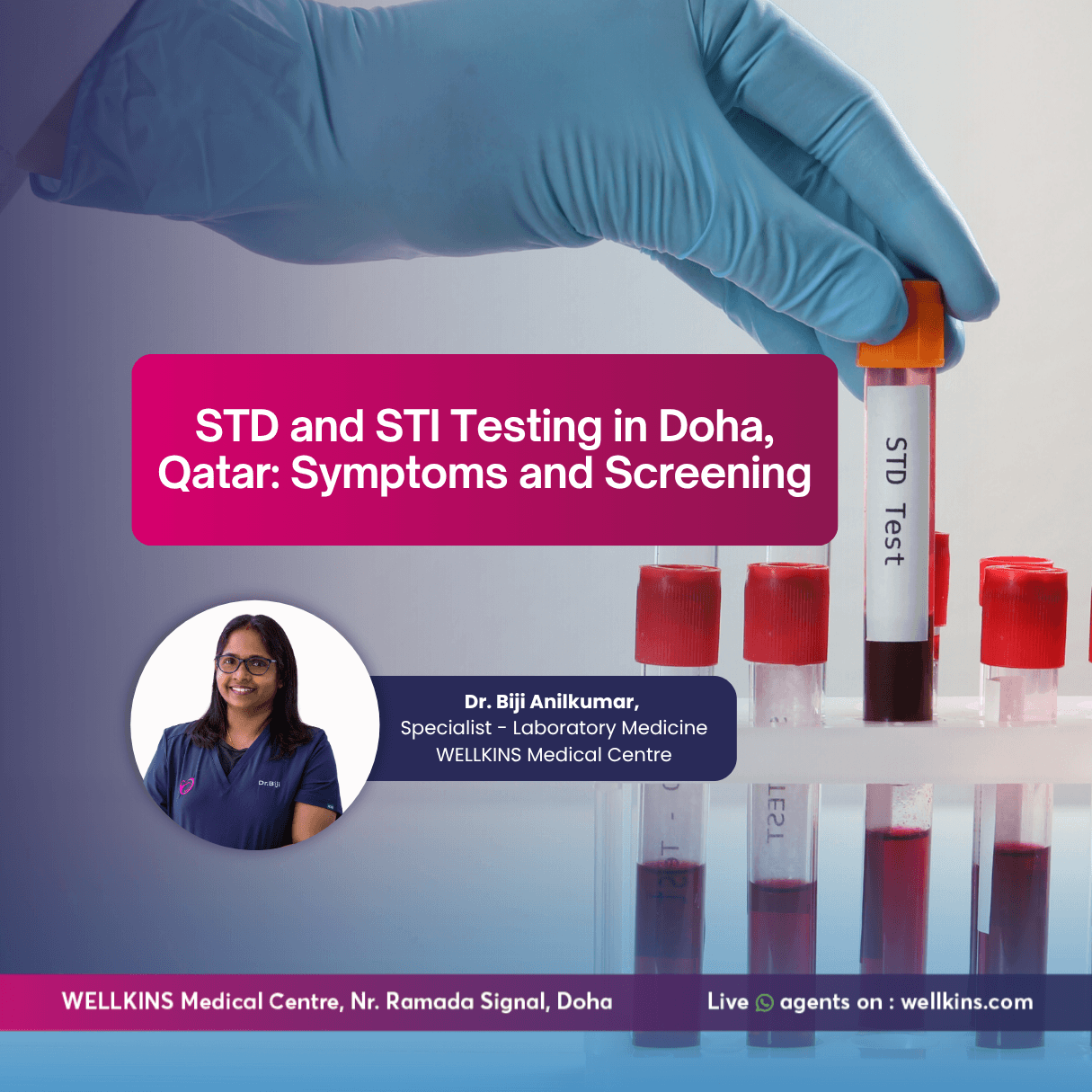
Laboratory testing can identify infections that may not produce obvious symptoms. The correct test depends on the possible exposure, the parts of the body involved and how much time has passed since the contact. Testing too early may not always provide a conclusive result, so honest information and appropriate timing are important. A positive result should be followed by medical review, suitable treatment or referral and guidance about partners and repeat testing when required.
People Also Ask
What is the difference between an STD and an STI?
An STI is an infection that can be transmitted through sexual contact while STD refers to disease or symptoms that develop because of an infection. Healthcare professionals increasingly use STI because a person can carry an infection without showing signs of disease.
Can I have an STI without any symptoms?
Yes. Many STIs can be asymptomatic or cause symptoms that are mild and easily overlooked. Testing is the only reliable way to know whether many common infections are present.
How soon after exposure should I take an STI test?
The appropriate time depends on the infection and the test being used. Some infections can be detected relatively early while others have a longer window period, so a clinician may recommend testing now and repeating a test later.
What is included in the WELLKINS Basic STD Screening Panel?
The current package lists HIV 1 & 2, HBsAg, HCV, RPR/VDRL, chlamydia, gonorrhea and trichomonas testing with a confidential report review. The listed standard price is QR 800 and the estimated visit time is 20 to 30 minutes. Confirm the current price, availability and sample requirements before attending.

What Is the Difference Between an STI and an STD?
STI means sexually transmitted infection and STD means sexually transmitted disease. The terms are often used interchangeably but they do not describe exactly the same stage.
An infection occurs when a bacterium, virus or parasite enters the body. Disease refers to the health problems or symptoms that may result from that infection. Because many infections cause no immediate symptoms, STI is generally the broader and more accurate term.
Using the term STI also helps emphasise the importance of screening. Waiting for symptoms may allow an infection to remain undetected and potentially spread to another person.
How Are Sexually Transmitted Infections Spread?
STIs can spread through vaginal, anal or oral sexual contact. Some infections can also spread through genital skin-to-skin contact even when penetrative sex has not occurred.
Certain infections may be transmitted through blood exposure, shared injecting equipment or from mother to baby during pregnancy, childbirth or breastfeeding. The route of transmission differs between infections, so a clinician needs accurate information to recommend the right tests.
Contraceptive pills, implants and intrauterine devices can prevent pregnancy but they do not prevent STIs. Condoms can substantially reduce the risk of many infections when used correctly and consistently but they do not eliminate every risk.
Common STIs and Their Tests
There is no single test that detects every sexually transmitted infection. A suitable panel is selected after considering symptoms, timing, vaccination history and the type of possible exposure.
Some infections are assessed through blood testing while others require urine or swab samples. Testing only one sample type may therefore miss an infection present at another body site.
Chlamydia
Chlamydia is a bacterial infection that frequently causes no symptoms. When symptoms occur, they can include unusual vaginal or penile discharge, burning during urination, pelvic discomfort or testicular pain.
Nucleic acid amplification testing is commonly used to detect chlamydia. Depending on the exposure, the sample may be urine or a swab from the vagina, cervix, throat or rectum.
Gonorrhea
Gonorrhea is another bacterial infection that may be silent. Possible symptoms include discharge, painful urination, pelvic pain, testicular discomfort, rectal symptoms or a sore throat after oral exposure.
The correct sample site matters. A urine test may not identify an infection limited to the throat or rectum, so tell the clinician which parts of the body may have been exposed.
Syphilis
Syphilis can progress through different stages. An early sign may be a painless sore that disappears without treatment while a later stage can produce a rash or general symptoms. The infection may then enter a latent stage with no visible symptoms.
Blood tests such as RPR or VDRL may be used for screening and monitoring. A reactive result generally requires additional interpretation and confirmatory testing according to clinical protocols.
HIV
HIV attacks the immune system and may not cause recognisable symptoms for a long period. Modern treatment can help people with HIV live long and healthy lives but early diagnosis is important for personal health and prevention of transmission.
HIV tests differ in what they detect and how soon they may become positive after exposure. A negative result taken during the window period may need to be repeated at the time advised by a healthcare professional.
Hepatitis B and Hepatitis C
Hepatitis B and C affect the liver. Hepatitis B can be transmitted through sexual contact and blood while hepatitis C is transmitted mainly through blood although sexual transmission can occur in certain circumstances.
Blood tests can assess infection or exposure. Hepatitis B vaccination provides effective protection against hepatitis B but there is currently no vaccine for hepatitis C.
Trichomoniasis
Trichomoniasis is caused by a parasite. It may cause discharge, irritation, discomfort during urination or sex but many people have no symptoms.
Laboratory testing may use a vaginal swab or urine depending on the patient and available test method. A clinician can determine whether testing for other infections is also appropriate.
Herpes and HPV
Genital herpes can cause painful blisters or ulcers but some infections are mild or unrecognized. When a fresh lesion is present, a swab can be more informative than routine blood screening in many situations.
Human papillomavirus can cause genital warts and certain types are linked to cervical and other cancers. HPV testing and cervical screening are not the same as a general STI panel. Vaccination can help prevent disease caused by important HPV types.
Common Symptoms of an STI
Possible symptoms include:
- Unusual vaginal, penile or rectal discharge
- Burning or pain during urination
- Genital itching, irritation or soreness
- Blisters, ulcers, sores, lumps or warts around the genital area
- Pelvic or lower abdominal pain
- Pain or swelling in a testicle
- Pain during sexual intercourse
- Bleeding between periods or after sex
- Rectal pain, discharge or bleeding
- A new rash with possible sexual exposure
These symptoms are not always caused by an STI. Urinary infections, skin conditions and other health problems can produce similar symptoms. Avoid self-diagnosis and seek medical assessment so that the correct tests and treatment can be selected.
Why Testing Matters Even Without Symptoms
Many STIs are asymptomatic. A person may pass an infection to a partner without realising it and may only discover the infection during routine screening or after a partner receives a diagnosis.
Untreated infections can sometimes contribute to pelvic inflammatory disease, fertility problems, complications during pregnancy, chronic pain or damage to other organs. Early identification can make treatment simpler and reduce the chance of further transmission.
When Should You Consider STD or STI Testing?
Testing may be appropriate when:
- You have symptoms that could be related to an STI
- A sexual partner has symptoms or a confirmed infection
- You have had sex without a condom
- A condom broke or slipped during sex
- You are beginning a new sexual relationship
- You or your partner has had additional partners
- You are planning a pregnancy or are already pregnant
- You have shared needles or had another possible blood exposure
- A healthcare professional recommends screening based on your history
A recent exposure does not always mean that every test should be performed immediately. Contact a healthcare professional promptly because urgent preventive options may be time-sensitive and testing may need to follow a planned schedule.
Understanding STI Test Timing and Window Periods
A window period is the interval between acquiring an infection and the point when a test can reliably detect it. The length varies according to the infection, sample and laboratory method.
Testing too early can produce a negative result even when an infection is present. A clinician may recommend an initial test for current concerns and a repeat test after the relevant window period.
What Happens During STI Testing?
The process usually begins with a private health discussion. You may be asked about symptoms, the date of the possible exposure, condom use, previous infections, pregnancy and the types of sexual contact involved.
This information is medically relevant because it determines which infections should be considered and which body sites need testing. Answering honestly helps prevent incomplete or inappropriate testing.
The required samples may include:
- A blood sample
- A urine sample
- A vaginal or cervical swab
- A urethral swab in selected cases
- A throat or rectal swab when relevant
- A swab from a blister, ulcer or sore
Follow the preparation instructions provided by the clinic. For certain urine tests, you may be asked not to urinate for a specified period before sample collection.
Understanding Your STI Test Results
A negative result means the specific infection was not detected in the sample at that time. It does not automatically exclude infections that were not included in the panel or those tested before the end of their window period.
A reactive screening result is not always a final diagnosis. Some tests require confirmatory testing and professional interpretation before a diagnosis is made.
If a result is positive, arrange medical review even when you feel well. The next step may involve treatment, confirmation, additional tests, partner management and repeat testing to confirm response or identify reinfection.
What Should You Do While Waiting for Results?
Follow the advice provided by the clinician who arranged the tests. Depending on the exposure and symptoms, you may be advised to avoid sexual contact or use condoms until the results and any necessary treatment are complete.
Do not take leftover antibiotics or medication borrowed from another person. Incorrect treatment may fail to clear the infection and can contribute to antimicrobial resistance.
What Happens After a Positive Result?
A positive result is a health issue and should not be treated as a moral judgement. Many bacterial and parasitic STIs can be cured with appropriate medicine while viral infections can often be effectively managed.
Complete the prescribed treatment exactly as instructed and avoid sexual contact for the period advised. Recent partners may need to be informed, tested or treated to prevent complications and reinfection.
Healthcare professionals will follow applicable clinical and public-health requirements in Qatar. Ask how your information and results are handled if you have concerns about privacy or reporting.
STI Testing During Pregnancy
Some infections can affect pregnancy or be passed to the baby. Antenatal screening can identify infections that may need treatment, monitoring or preventive care.
Tell your obstetrician about any recent exposure, symptoms or partner diagnosis. Do not wait for symptoms because several important infections may remain silent.
How to Reduce the Risk of STIs
Risk can be reduced by:
- Using condoms correctly and consistently
- Having open conversations with partners about testing and sexual health
- Reducing the number of sexual partners
- Avoiding the sharing of needles or injecting equipment
- Receiving eligible hepatitis B and HPV vaccinations
- Seeking testing after a possible exposure instead of waiting for symptoms
- Completing prescribed treatment and recommended repeat testing
Condoms provide strong protection against infections spread through bodily fluids but may offer less protection against infections spread through skin-to-skin contact outside the covered area. Vaccination, testing and informed communication remain important parts of prevention.
STD and STI Screening at WELLKINS Medical Centre
Laboratory services at WELLKINS Medical Centre support STI screening through appropriate blood, urine and molecular tests. Test selection should be based on individual history and clinical guidance rather than choosing every available test without assessment.
The current WELLKINS health packages page lists the STD Screening Panel, Basic for people seeking a convenient group of commonly requested STI screening tests. The package is listed as self-pay and is open to residents and visitors to Qatar. Because an appropriate screening plan depends on exposure history, symptoms and timing, additional tests may still be recommended.
What Is Included in the WELLKINS Basic STD Screening Panel?
The package currently lists a standard price of QR 800 and an estimated visit time of 20 to 30 minutes. It includes the following tests and a confidential report review:
- HIV 1 & 2: Screening related to human immunodeficiency virus. The laboratory method and timing after exposure affect when an infection may be detected.
- HBsAg: A test for hepatitis B surface antigen, which may indicate a current hepatitis B infection.
- HCV: Screening related to hepatitis C. A reactive screening result may require further confirmatory testing.
- RPR/VDRL: Blood screening tests used when assessing syphilis. Reactive findings require professional interpretation and may need confirmation with another test.
- Chlamydia: Testing for Chlamydia trachomatis using the sample type selected by the laboratory.
- Gonorrhea: Testing for Neisseria gonorrhoeae using an appropriate urine or swab sample when indicated.
- Trichomonas: Testing for the parasite that causes trichomoniasis.
- Confidential report review: A private review to help patients understand their results and any recommended next steps.
This package covers several important infections but it is not a test for every possible STI. Herpes and human papillomavirus are not listed in the basic panel. A clinician may recommend an examination, site-specific swabs or other tests based on symptoms, pregnancy status, vaccination history and the type of sexual contact.
When Should You Take the WELLKINS STD Screening Package?
Testing immediately after a possible exposure can sometimes be too early because every infection has a different window period. A healthcare professional may advise an earlier baseline test, testing at a later date or repeat testing depending on the infection and test method.
Before attending, confirm the current price, availability, required preparation and samples to be collected. The estimated visit time describes the appointment and not necessarily the time needed to receive every result.
When Should You Seek Medical Care Urgently?
Seek prompt medical care for severe pelvic or abdominal pain, high fever, significant testicular pain or swelling, a widespread rash with fever or symptoms during pregnancy. Sudden severe illness after a possible exposure should not be managed through laboratory testing alone.
If a possible HIV exposure occurred very recently, contact an appropriate medical service immediately because post-exposure prevention is time-sensitive. Do not wait for symptoms or a routine appointment.
Final Thoughts
STIs do not always cause symptoms and appearance cannot show whether a person has an infection. Testing based on individual risk, exposure and medical guidance is the most reliable way to understand your status.
Seeking a test is a responsible healthcare decision. Accurate laboratory testing, appropriate interpretation and timely medical care can protect your health and reduce the chance of passing an infection to someone else.
This article is intended for general educational purposes and does not replace individual medical advice, examination or diagnosis. Test selection, timing and interpretation should be guided by a qualified healthcare professional. Services and package details may change, so confirm current availability directly with the clinic.