
Author: Dr. Ayisha Anwar, (General Practitioner – Wellkins Medical Centre)
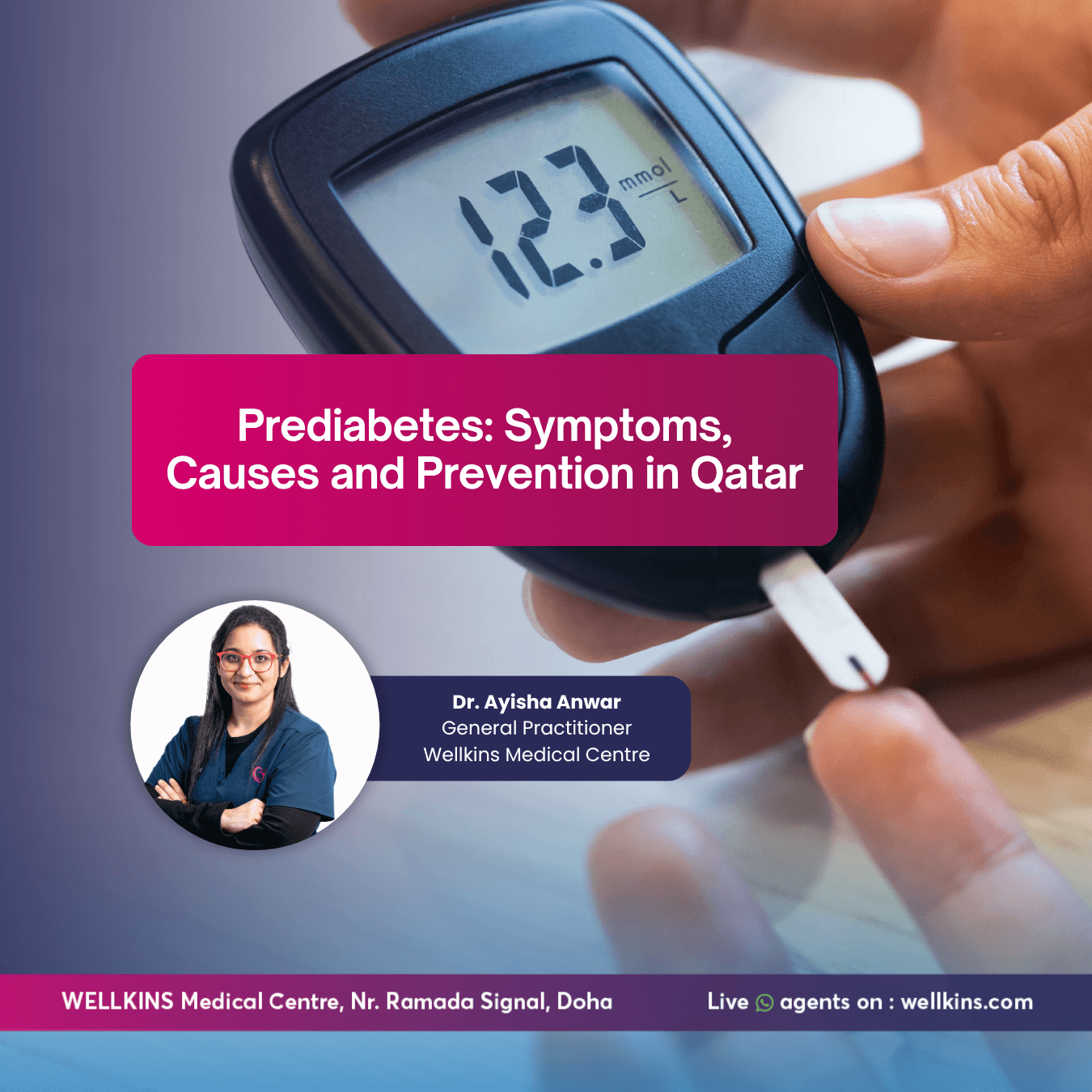
Prediabetes is one of the most important diagnoses in preventive medicine. Not because it is a disease in the clinical sense but precisely because it is not yet. It is a window, a period of time in which the body’s blood sugar regulation has begun to falter but has not yet crossed into the territory of type 2 diabetes. And in that window, with the right knowledge and the right actions, the progression to diabetes can be slowed, stopped or in many cases genuinely reversed.
In Qatar, this matters enormously. The country has one of the highest rates of type 2 diabetes in the world and a significant proportion of Qatar’s adult population, across both the local community and the large and diverse expatriate workforce in Doha, is estimated to be living with prediabetes without knowing it. The condition produces no symptoms in its early stages. Blood sugar creeps upward silently. A person feels entirely normal while the metabolic processes that lead to diabetes are already well underway.
Understanding what prediabetes is, how it is identified, what drives it in Qatar’s specific context and what the evidence says about reversing it is the most important health conversation many adults in Doha could have right now.
Prediabetes is the condition I am most motivated to find early because it is the one where intervention makes the greatest difference. Once type 2 diabetes is established, management becomes the focus. In prediabetes the focus can still be reversal. The research is clear that lifestyle modification addressing diet, physical activity and weight produces meaningful and lasting reductions in the risk of progression to diabetes in the majority of people who commit to it. Qatar’s diabetes burden is not inevitable. For individuals with prediabetes, it is genuinely modifiable and finding it early is where that story begins.
People Also Ask
What is prediabetes and how is it different from type 2 diabetes?
Prediabetes is a metabolic state in which blood sugar levels are higher than normal but not yet high enough to meet the diagnostic threshold for type 2 diabetes. It indicates that the body’s cells have begun to resist the action of insulin, the hormone that allows glucose to enter cells for energy, and that the pancreas is working harder than it should to maintain blood sugar control. Without intervention prediabetes progresses to type 2 diabetes in a significant proportion of people over five to ten years. With appropriate lifestyle modification many people with prediabetes return their blood sugar to the normal range and substantially reduce their lifetime diabetes risk.
What are the signs of prediabetes?
Prediabetes almost always produces no symptoms, which is why it is so frequently undetected until a routine blood test identifies the elevated blood sugar. This is also why proactive screening in people with risk factors is so important. In some people with more advanced insulin resistance, darkened patches of skin called acanthosis nigricans may appear on the neck, armpits or groin. Fatigue, increased thirst and frequent urination are more often associated with established diabetes but may be present in later-stage prediabetes. The most reliable way to know is a fasting glucose or HbA1c blood test.
Can prediabetes be reversed?
Yes and this is the most important message for anyone who has received a prediabetes diagnosis. The landmark Diabetes Prevention Program study demonstrated that structured lifestyle intervention reducing weight by five to seven percent and achieving 150 minutes of moderate physical activity per week reduced progression from prediabetes to type 2 diabetes by 58 percent over three years. Metformin, a medication commonly used in diabetes management, reduced progression by 31 percent in the same study. The lifestyle intervention outperformed medication, particularly in older adults and in those with greater initial weight loss. Prediabetes is one of the few conditions where lifestyle change genuinely and significantly alters the disease trajectory.
Is prediabetes common in Qatar?
Yes, significantly so. Qatar has one of the highest rates of type 2 diabetes globally and the prediabetes burden preceding it is substantial. A combination of factors including high rates of overweight and obesity, sedentary lifestyle patterns driven by Qatar’s extreme summer heat and car-dependent infrastructure, dietary patterns high in refined carbohydrates and sugar across many of the communities represented in Doha’s population and a genetic predisposition to insulin resistance in South Asian and Arab populations contributes to a prediabetes prevalence that makes routine blood sugar screening an essential part of adult health monitoring in Qatar.

What Is Prediabetes?
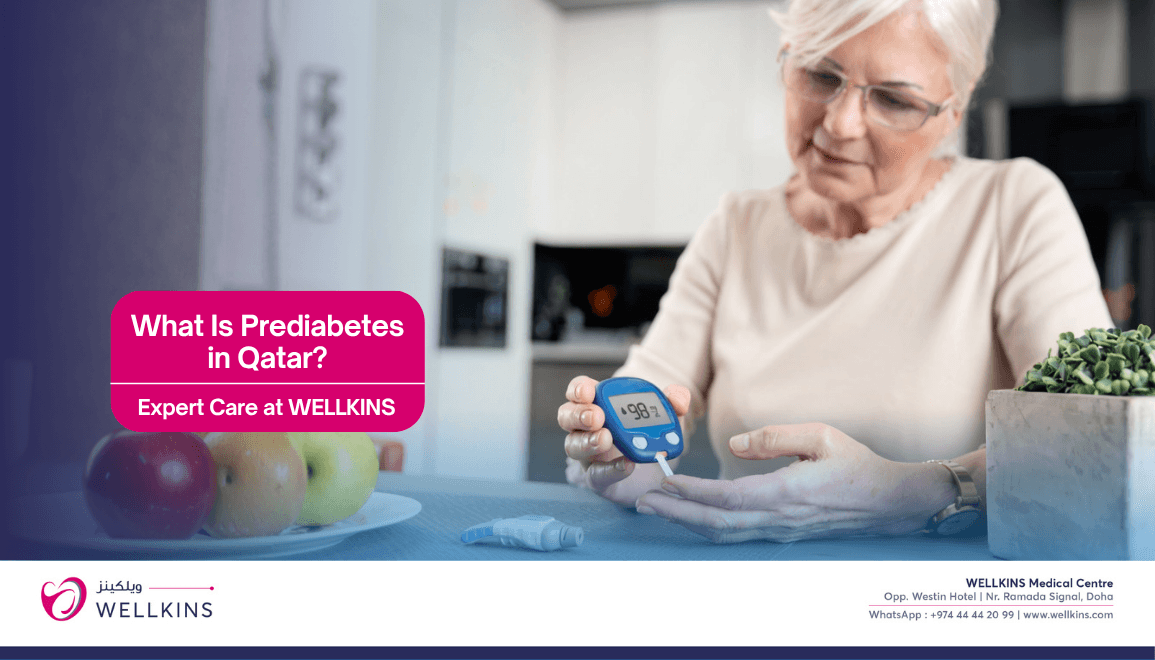
Prediabetes occurs when blood glucose levels are consistently higher than the normal range but have not yet reached the level that qualifies as type 2 diabetes. It reflects a state of insulin resistance in which the body’s cells do not respond to insulin as efficiently as they should, requiring the pancreas to produce more insulin to achieve the same blood sugar lowering effect.
There are two main blood tests used to identify prediabetes.
- Fasting Plasma Glucose: A fasting glucose of 5.6 to 6.9 mmol/L (100 to 125 mg/dL) indicates prediabetes. A result of 7.0 mmol/L or above on two separate occasions meets the diagnostic threshold for type 2 diabetes.
- HbA1c (Glycated Haemoglobin): An HbA1c of 5.7 to 6.4 percent indicates prediabetes. An HbA1c of 6.5 percent or above indicates type 2 diabetes. The HbA1c reflects average blood sugar control over the preceding two to three months rather than a single point in time and is widely used for diabetes screening in Qatar’s clinical setting.
Prediabetes produces no symptoms in the vast majority of people. It is found through routine blood testing rather than through clinical presentation. This means that many people in Qatar who have prediabetes are entirely unaware of it and are missing the window in which intervention is most effective.
Why Prediabetes Is Particularly Prevalent in Qatar
Qatar’s specific population, environment and lifestyle create a combination of risk factors that make prediabetes and type 2 diabetes disproportionately common compared to many other parts of the world.
- Genetic Predisposition: South Asian and Arab populations, who together represent a very large proportion of Qatar’s total population both as Qatari nationals and as the largest expatriate communities, carry a higher genetic predisposition to insulin resistance and type 2 diabetes than Northern European populations. This predisposition means that diabetes risk accumulates at lower body weights and lower waist circumferences than the thresholds derived from primarily Caucasian study populations. South Asian adults are at significant diabetes risk at a BMI that would be considered healthy by standard Western guidelines.
- Sedentary Lifestyle: Qatar’s extreme summer temperatures, car-dependent urban infrastructure and predominantly indoor professional and recreational environment create conditions where sustained daily physical activity requires deliberate effort rather than occurring naturally through the pattern of daily life. Physical inactivity is one of the strongest modifiable drivers of insulin resistance and prediabetes progression.
- Dietary Patterns: High refined carbohydrate intake from white rice, white bread, pastries and sweetened beverages is common across many of the cultural dietary traditions represented in Qatar’s population. Sweetened tea and coffee consumed multiple times daily adds significant sugar load to the diet without being recognised as food. These patterns drive postprandial blood sugar spikes that over time contribute to insulin resistance.
- Overweight and Obesity: Qatar has among the highest rates of overweight and obesity in the world. Excess body fat particularly visceral fat stored around the abdominal organs is the most direct driver of insulin resistance. Abdominal adiposity is the most clinically relevant adiposity measure for diabetes risk in Qatar’s population.
- Stress and Sleep Disruption: Chronic stress and poor sleep both impair insulin sensitivity through their effects on cortisol and other stress hormones. Qatar’s demanding professional environment and the sleep disruption common in shift-working communities contribute to this risk.
Who Should Be Screened for Prediabetes in Qatar?
Given the high prevalence of prediabetes in Qatar’s adult population, the threshold for screening should be lower than in lower-prevalence settings. Adults in Qatar should discuss blood sugar screening with their doctor at Wellkins Medical Centre if any of the following apply.
- Age 35 or above, particularly in South Asian and Arab individuals where risk accumulates earlier than in other ethnic groups.
- Overweight or obesity with a BMI of 23 or above for South Asian adults or 25 or above for other adults.
- A waist circumference above 90 cm in men or 80 cm in women, indicating significant abdominal adiposity.
- A first-degree family member with type 2 diabetes.
- A personal history of gestational diabetes during any pregnancy.
- Polycystic ovary syndrome, a condition strongly associated with insulin resistance.
- High blood pressure or currently on blood pressure medication.
- High triglycerides or low HDL cholesterol on a previous blood test.
- A sedentary lifestyle with minimal regular physical activity.
- A dietary pattern high in refined carbohydrates and sweetened beverages.
How to Reverse Prediabetes: The Evidence
The evidence for prediabetes reversal through lifestyle modification is among the most compelling in all of preventive medicine. The Diabetes Prevention Program, one of the largest and most rigorously conducted lifestyle intervention trials ever completed, demonstrated that structured lifestyle changes reduced progression from prediabetes to type 2 diabetes by 58 percent over three years. In adults over sixty the reduction was even greater at 71 percent. These are results that rival or exceed most pharmaceutical interventions across any therapeutic area.
The lifestyle intervention in the Diabetes Prevention Program targeted three specific goals.
- A reduction in body weight of five to seven percent of starting weight.
- At least 150 minutes of moderate-intensity physical activity per week.
- A reduction in dietary fat intake and overall caloric intake through sustainable dietary modification.
In the Qatar context these targets are practical and achievable with the right guidance. Here is what the evidence supports most strongly.
Dietary Modification
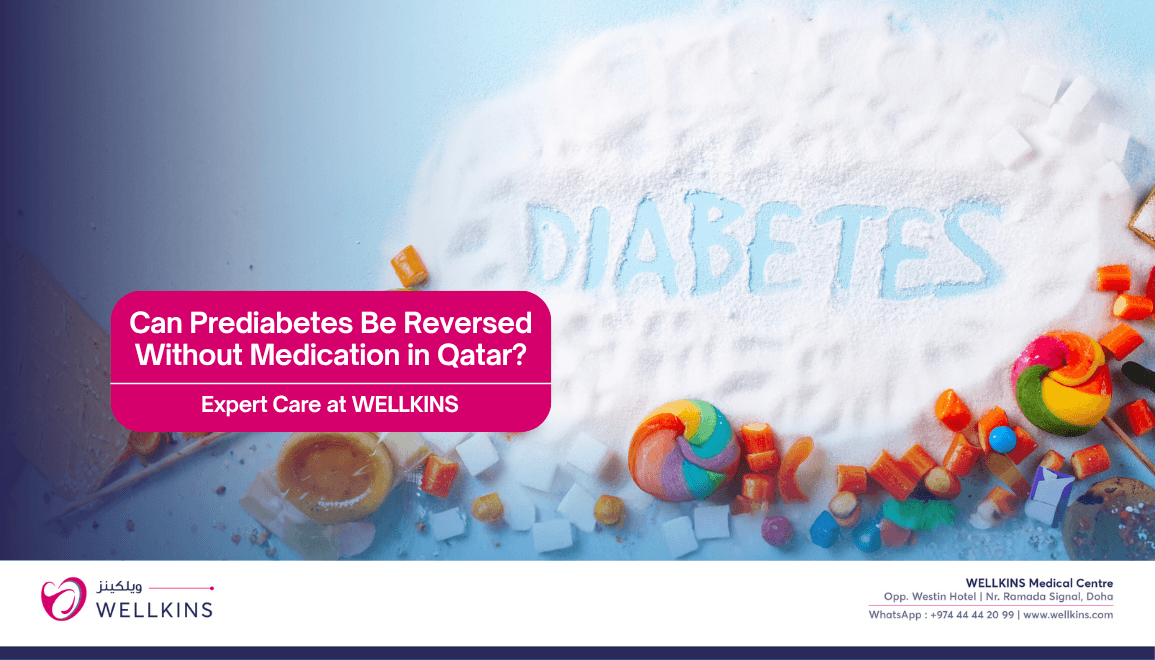
- Reduce refined carbohydrates: Replacing white rice with smaller portions of brown rice, cauliflower rice or other lower glycaemic alternatives and reducing white bread and pastry consumption directly lowers postprandial blood sugar spikes and reduces the insulin demand that drives insulin resistance over time. In Qatar’s food culture where rice is a staple at most family meals, portion reduction and partial substitution rather than elimination is the most culturally sustainable approach.
- Increase dietary fibre: Vegetables, legumes, lentils, chickpeas and whole grains slow glucose absorption and improve glycaemic control after meals. Adding a substantial vegetable portion to each main meal and choosing lentil-based dishes as regular meal options are practical steps that align with many of the culinary traditions well represented in Qatar.
- Reduce sweetened beverages: Sweetened tea, karak chai, fruit juices, flavoured coffees and carbonated soft drinks are among the most significant dietary contributors to blood sugar load in Qatar’s adult population. Replacing these with water, unsweetened tea or coffee and sparkling water produces meaningful improvements in overall glycaemic control without requiring complex dietary restructuring.
- Prioritise protein at each meal: Including adequate lean protein including chicken, fish, eggs and legumes at each main meal improves satiety, reduces total carbohydrate intake and supports the preservation of muscle mass during any weight reduction effort.
- Limit ultra-processed and fast food: Qatar’s widespread availability of international fast food chains and high consumption of packaged ultra-processed foods introduces significant quantities of refined carbohydrates, unhealthy fats and added sugars that compound insulin resistance across the population.
Physical Activity
- Target 150 minutes of moderate activity per week: This is the threshold most consistently associated with meaningful reductions in diabetes risk in the research literature. Brisk walking, swimming, cycling and gym-based aerobic exercise all achieve this. In Qatar the cooler months from October to April make outdoor walking and cycling entirely practical and highly beneficial. Indoor gym facilities are abundant across Doha for the summer months.
- Incorporate resistance training: Muscle tissue is the body’s largest site of glucose uptake and building and maintaining muscle mass through resistance training directly improves insulin sensitivity. Adding two to three resistance training sessions per week alongside aerobic activity produces greater improvements in insulin sensitivity than aerobic exercise alone.
- Reduce prolonged sitting: Desk-based professionals in Qatar who sit for six or more hours per day have significantly elevated insulin resistance independent of their exercise habits. Breaking up sitting time with brief walks or standing periods every forty-five to sixty minutes during the working day is a practical and evidence-supported intervention for this group.
Weight Management
A reduction in body weight of five to seven percent from the starting weight produces clinically meaningful improvements in insulin sensitivity and blood sugar control in people with prediabetes. For a person weighing 90 kilograms this means a target weight loss of four and a half to six kilograms, an achievable and sustainable goal through consistent dietary and activity modification over three to six months. Greater weight loss produces greater benefit and for people with significant obesity more ambitious weight reduction targets supported by medical supervision are appropriate.
Sleep and Stress Management
Poor sleep and chronic psychological stress independently worsen insulin resistance through their effects on cortisol, growth hormone and other metabolic hormones. Adults with prediabetes in Qatar who are managing demanding professional lives alongside family responsibilities should treat sleep quality and stress management as genuine components of their diabetes prevention plan rather than as optional wellness additions.
When Medication Is Considered
For some people with prediabetes, particularly those with a very high progression risk including a very elevated HbA1c approaching the diabetes threshold, a strong family history of early diabetes onset or those who have not achieved sufficient benefit from lifestyle modification alone, metformin may be considered under medical supervision. Metformin was shown in the Diabetes Prevention Program to reduce progression from prediabetes to diabetes by 31 percent and is safe, well tolerated and widely available. The decision to use medication alongside lifestyle modification is made on an individual basis at Wellkins and does not reduce the importance of lifestyle change, which continues to be the most powerful intervention available.
When to See a Doctor for Prediabetes in Qatar
You should book a consultation at Wellkins Medical Centre if any of the following apply.
- You have not had a fasting glucose or HbA1c checked in the past year and you have one or more of the risk factors described above.
- A previous blood test has shown a fasting glucose or HbA1c in the prediabetes range and you have not yet received a structured plan to address it.
- You have a family history of type 2 diabetes and want to understand your own risk and what steps are appropriate for you now.
- You have been told you have impaired fasting glucose or impaired glucose tolerance on a previous test but are unsure what this means or what to do about it.
- You have gestational diabetes history and want a current assessment of your metabolic status.
- You want personalised dietary, activity and weight management guidance tailored to your specific results, cultural dietary preferences and lifestyle in Qatar.
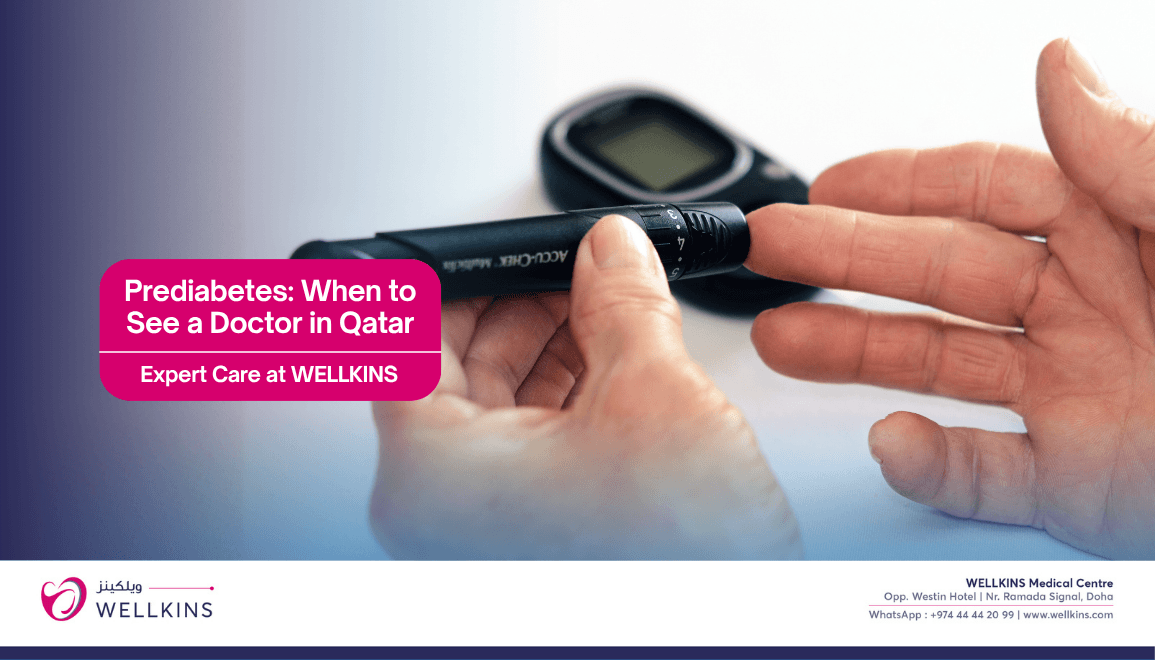
Prediabetes is not a sentence. It is a signal. And in the years between that signal and any possible progression to type 2 diabetes lies the most powerful window for prevention that medicine currently knows how to offer. The conversations that happen in that window are among the most consequential any person can have for their long-term health.
To book an appointment at Wellkins Medical Centre: https://wellkins.com/drayisha
To know more about the General Medicine services at Wellkins Medical Centre: https://wellkins.com/general-medicine