
Author: Dr. Jacob Neil, (Consultant, Internal Medicine – WELLKINS Medical Centre)
Introduction
Many patients feel reassured when their liver blood test results are normal. While normal results are generally encouraging, they do not always prove that the liver is completely free from disease.
Fat can accumulate inside the liver without causing a clear rise in liver enzymes. Some people may therefore have fatty liver for years while their alanine aminotransferase, aspartate aminotransferase, bilirubin and other routine results remain within the laboratory reference range.
This is one reason fatty liver is frequently discovered during an ultrasound performed for another health concern. Understanding what blood tests can and cannot show helps patients avoid false reassurance and seek appropriate assessment when risk factors are present.
“Normal liver blood test results do not always mean that there is no fat accumulation or scarring in the liver. Blood results must be interpreted alongside the patient’s weight, waist measurement, blood sugar, cholesterol, blood pressure, alcohol intake, medication history and imaging findings. The purpose of assessment is not only to identify fatty liver but also to understand whether fibrosis or another liver condition may be present.”
People Also Ask
Can an ultrasound show fatty liver when blood tests are normal?
Yes. An abdominal ultrasound may identify fat accumulation even when routine liver enzymes are within the reference range. Ultrasound cannot always determine the exact amount of inflammation or scarring, so additional assessment may still be required.
Does a normal ALT result rule out fatty liver?
No. A normal alanine aminotransferase result does not exclude fatty liver. ALT can remain normal in people with liver fat and may also be normal in some people with more advanced liver disease.
Can a person with fatty liver feel completely healthy?
Yes. Fatty liver frequently causes no noticeable symptoms during its early stages. This is why it may be found incidentally during a scan or health screening.
Can fatty liver be reversed?
Liver fat can often be reduced through appropriate weight management, physical activity, improved nutrition and control of associated metabolic conditions. The potential for improvement depends on the stage of disease and whether significant fibrosis or cirrhosis has developed.
Which doctor should I consult for fatty liver?
An internal medicine specialist can assess fatty liver, investigate associated metabolic conditions and determine whether further liver testing or specialist referral is necessary.

Can You Have Fatty Liver With Normal Blood Test Results?
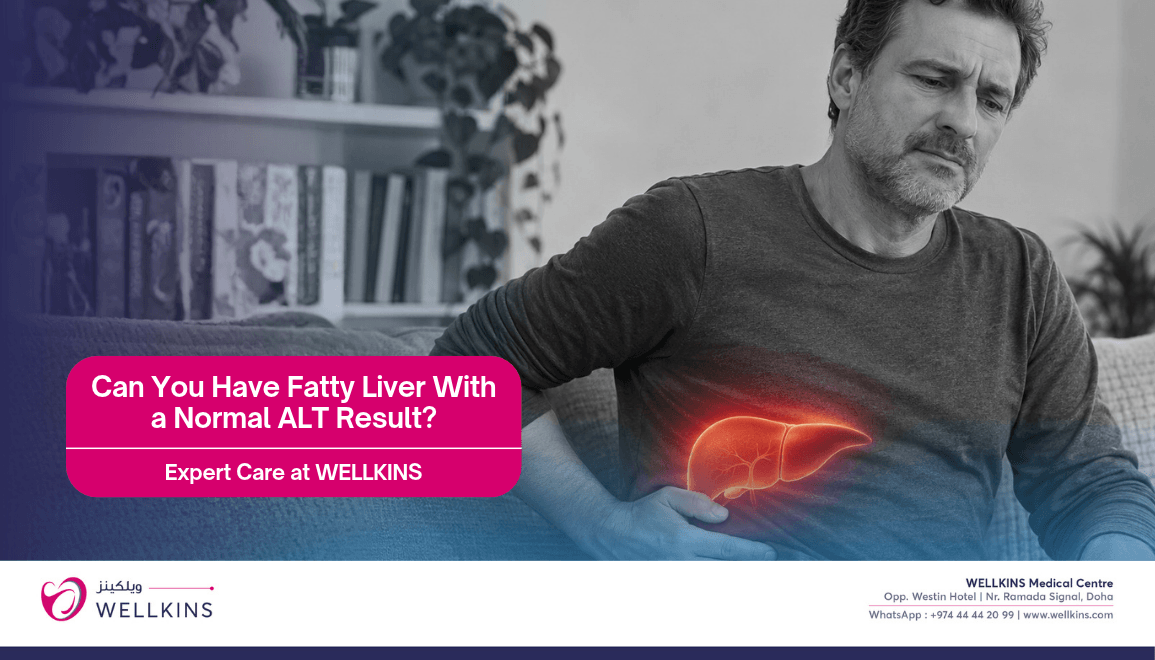
Yes. Fatty liver and normal blood test results can occur at the same time. Routine liver blood tests measure enzymes, proteins and substances associated with liver injury or liver function. They do not directly measure how much fat is stored inside the liver.
A person may have fat accumulation without enough active liver cell injury to raise ALT or AST. Enzyme levels can also fluctuate over time, which means a single normal result provides only a snapshot of what was happening when the sample was collected.
Normal results should therefore be interpreted as one part of the assessment rather than a complete exclusion of liver disease. Risk factors, symptoms, previous results and imaging findings all provide additional information.
What Is Fatty Liver Disease?
Fatty liver disease occurs when excess fat accumulates inside liver cells. The current medical term for fatty liver associated with metabolic risk factors is metabolic dysfunction associated steatotic liver disease or MASLD. It was previously known as nonalcoholic fatty liver disease or NAFLD.
MASLD is commonly associated with excess body weight, a larger waist circumference, insulin resistance, type 2 diabetes, high blood pressure, abnormal cholesterol and raised triglycerides. It can also affect people who do not appear significantly overweight.
Fat accumulation alone is often described as simple steatosis. Some people develop inflammation and liver cell injury which may progress to fibrosis. Fibrosis means scar tissue has started forming within the liver.
Advanced fibrosis may eventually develop into cirrhosis. Identifying patients at risk of fibrosis is therefore more important than relying only on whether a routine blood test result is normal.
Why Can Liver Enzymes Remain Normal?
ALT and AST are enzymes found in liver cells and other tissues. Their levels may rise when liver cells become irritated or damaged, but the degree of elevation does not always match the amount of liver fat or fibrosis.
Someone with mild fat accumulation may have normal enzymes because there is limited active cell injury. Another person may have fluctuating results that happen to be normal on the day of testing.
Laboratory reference ranges can also differ. A result marked as normal by one laboratory may be close to the upper limit and still require interpretation in the context of the patient’s overall health.
More importantly, liver enzymes are not a direct measurement of liver structure. They cannot show the location of fat or provide a complete assessment of scarring.
What Do Liver Blood Tests Measure?
A liver blood panel may contain several measurements. Each provides different information and no single result gives a complete picture of liver health.
- Alanine aminotransferase: ALT may rise when liver cells are injured, but a normal level does not exclude fatty liver.
- Aspartate aminotransferase: AST can be affected by the liver, muscles and other tissues. Its relationship with ALT may provide useful clinical information.
- Gamma glutamyl transferase: GGT may increase with liver or bile duct conditions, alcohol exposure and certain medications.
- Alkaline phosphatase: ALP may be affected by the liver, bile ducts and bones.
- Bilirubin: Bilirubin may increase when the liver cannot process or remove it normally or when there is a problem involving red blood cells or bile flow.
- Albumin: Albumin is a protein produced by the liver. It may remain normal until liver disease becomes advanced and can also be affected by other health conditions.
- Platelet count: Platelets are not liver enzymes, but a reduced count can sometimes provide a clue to advanced liver scarring or portal hypertension.
The Medical Laboratory at WELLKINS Medical Centre provides liver function testing and other investigations when requested by the treating doctor. Results should be interpreted according to symptoms, risk factors and clinical findings.
Normal Blood Tests Do Not Measure Liver Fat Directly
A routine blood sample cannot directly show whether fat is present inside the liver. Blood tests may indicate inflammation, impaired liver function or associated metabolic conditions, but structural changes usually require another form of assessment.
This distinction explains how someone can have normal liver enzymes but an ultrasound showing fatty liver. The two tests are measuring different aspects of health rather than providing contradictory results.
Blood tests remain valuable because they help assess liver injury, metabolic risk and possible alternative causes. They simply should not be used in isolation to rule out fatty liver.
Who May Have Fatty Liver Despite Normal Results?
Fatty liver may be considered even with normal liver blood results when a person has one or more metabolic risk factors. These may include:
- Excess weight or increased abdominal fat
- Type 2 diabetes or prediabetes
- Insulin resistance
- High triglycerides or abnormal cholesterol
- High blood pressure
- Obstructive sleep apnoea
- Polycystic ovary syndrome
- Low levels of physical activity
- A family history of fatty liver or metabolic disease
- A previous scan showing fat accumulation
- Regular alcohol consumption
- Use of certain medications associated with liver fat
Having a risk factor does not automatically confirm fatty liver. It helps the doctor decide whether further evaluation is appropriate and which tests may be useful.
Can Fatty Liver Occur in a Person With a Normal Weight?
Yes. Fatty liver is more common among people who are overweight, but it can also occur in those whose body mass index is within the expected range. This is sometimes called lean fatty liver.
A person may have a normal overall weight while carrying more fat around the abdomen or having insulin resistance, abnormal cholesterol or a strong family history of metabolic disease.
Body weight alone should therefore not be used to rule out fatty liver. Waist measurement, blood sugar, lipid levels, blood pressure and lifestyle factors can provide a more complete assessment.
How Is Fatty Liver Diagnosed When Blood Tests Are Normal?
The diagnostic process usually combines medical history, physical examination, metabolic assessment, blood tests and imaging. The exact investigations depend on the person’s risk profile and previous results.
A doctor may review weight changes, waist measurement, diet, exercise, alcohol use, medication, supplements and family history. Blood pressure and signs of insulin resistance may also be assessed.
Further blood tests may be used to examine glucose control, cholesterol, triglycerides and possible alternative causes of liver disease. Imaging can then help determine whether fat accumulation or liver stiffness is present.
Abdominal Ultrasound
An abdominal ultrasound is commonly used to look for changes that suggest fat accumulation in the liver. It is noninvasive and does not use ionising radiation.
Ultrasound can identify moderate or more noticeable steatosis in many patients. However, it may not detect small amounts of fat and it cannot reliably determine the stage of fibrosis in every case.
An ultrasound result should therefore be interpreted together with blood results and clinical risk. A report describing fatty liver does not by itself explain the cause or show whether another liver condition is present.
Fibrosis Risk Assessment
Fibrosis assessment helps estimate whether scar tissue may have developed. A commonly used initial calculation is the FIB 4 score which uses age, AST, ALT and platelet count.
A lower score may suggest a reduced likelihood of advanced fibrosis while an intermediate or higher result may lead to additional assessment. The score has limitations and should be interpreted by a clinician.
Depending on the result and the patient’s risk factors, the doctor may recommend liver stiffness measurement, further imaging or specialist review. A normal ALT result does not remove the need for fibrosis assessment when other concerns are present.
Transient Elastography and Other Imaging
Transient elastography is a noninvasive test that estimates liver stiffness. Increased stiffness may indicate fibrosis although inflammation, congestion and other factors can sometimes influence the reading.
More advanced imaging such as magnetic resonance based testing may be considered when the diagnosis or severity remains uncertain. These investigations are not necessary for every person with suspected fatty liver.
The choice of imaging depends on clinical risk, test availability and whether the result is likely to change management.
Can Normal Liver Enzymes Mean There Is No Liver Damage?
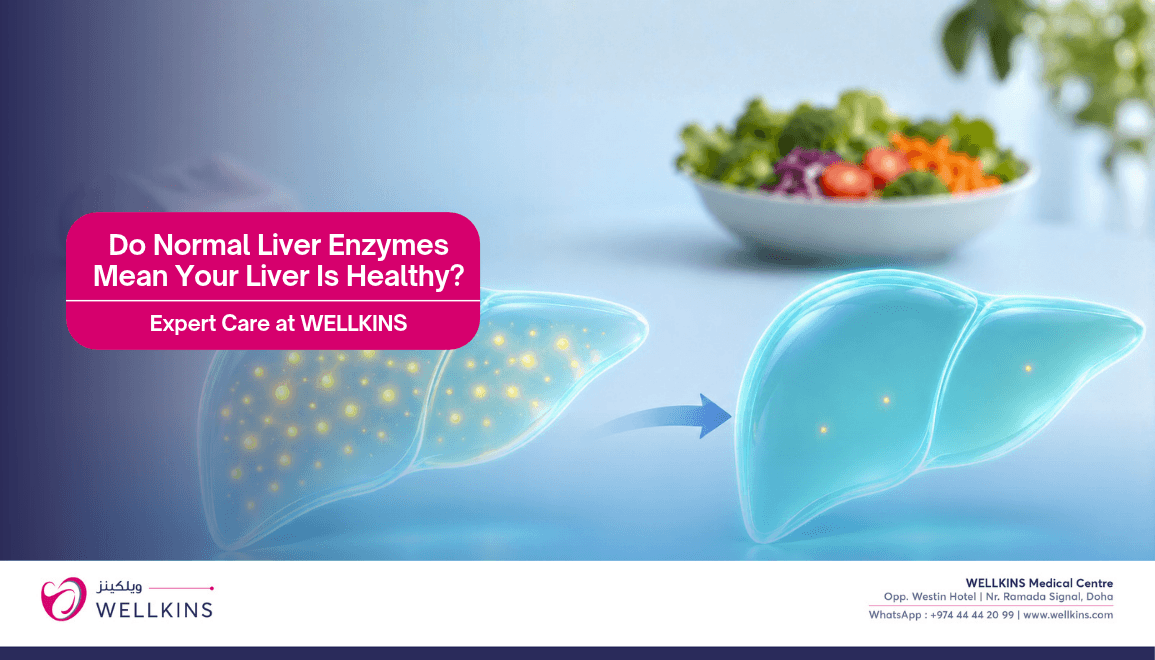
Normal liver enzymes are reassuring in some respects, but they cannot guarantee the absence of inflammation or fibrosis. Some patients with significant scarring can have results that remain within laboratory reference ranges.
This does not mean that everyone with normal enzymes has advanced liver disease. It means the likelihood of liver damage should be assessed using more than one result.
Fibrosis scores, platelet levels, imaging and the presence of metabolic risk factors help determine whether further investigation is needed.
Does Fatty Liver Cause Symptoms?
Many people with fatty liver have no symptoms. The condition may be discovered during a routine health assessment, an ultrasound for abdominal symptoms or testing performed for diabetes or cholesterol.
When symptoms occur, they can be nonspecific. A person may report:
- Persistent tiredness
- A general feeling of being unwell
- Mild discomfort under the right side of the ribs
- Difficulty maintaining a healthy weight
These symptoms can occur with many other conditions. They cannot confirm fatty liver without an appropriate medical evaluation.
Which Other Conditions Should Be Excluded?
Fat accumulation or abnormal liver tests should not automatically be labelled as metabolic fatty liver. The doctor may need to consider alcohol related liver disease, viral hepatitis, medication effects and other liver conditions.
The assessment may include a review of alcohol intake, prescribed medicines, nonprescription products and herbal supplements. Additional blood tests may be recommended according to the patient’s history and clinical findings.
Accurate diagnosis matters because different liver conditions may require different monitoring and treatment.
Fatty Liver and Metabolic Health
Fatty liver is closely connected with metabolic health. Many patients also have insulin resistance, high blood pressure, abnormal cholesterol, prediabetes or type 2 diabetes.
The associated cardiovascular risk is important. Improving liver health should therefore be part of a broader plan that addresses blood sugar, cholesterol, blood pressure, weight, nutrition and physical activity.
An Internal Medicine consultation at WELLKINS Medical Centre can help assess these connected conditions rather than viewing the liver result in isolation.
Can Fatty Liver Improve?
Fat accumulation can often be reduced, particularly before advanced fibrosis develops. Improvement usually requires consistent changes rather than a short detoxification plan or an unproven liver cleansing product.
A personalised plan may include:
- Gradual weight reduction when medically appropriate
- Regular physical activity suited to the person’s health and ability
- Reducing sugary drinks and foods high in refined carbohydrates
- Choosing appropriate portions and more fibre rich foods
- Managing diabetes, cholesterol and blood pressure
- Reviewing alcohol intake
- Improving sleep and managing obstructive sleep apnoea
- Reviewing medications and supplements with a doctor
- Monitoring progress through scheduled consultations and investigations
The required changes vary from one patient to another. People with diabetes, kidney disease, heart conditions or other medical concerns should obtain individual guidance before making major dietary or exercise changes.
Why Crash Diets and Liver Detoxes Are Not the Answer
Very restrictive diets may produce rapid weight changes but can be difficult to maintain. They may also cause nutritional problems and may not address diabetes, cholesterol, sleep or other factors contributing to fatty liver.
Products marketed as liver cleanses are not a substitute for diagnosis or structured medical care. Some herbal products and supplements can themselves cause liver injury.
The safer approach is to identify the cause, assess fibrosis risk and follow a sustainable plan based on the patient’s health and metabolic profile.
How Is Improvement Monitored?
Follow up may include changes in body weight, waist measurement, blood pressure, glucose control, cholesterol and liver blood results. Repeat imaging or fibrosis assessment may be considered according to the initial findings.
A normal blood result after lifestyle changes does not always prove that all liver fat has resolved. In the same way, a mildly abnormal result does not automatically mean that treatment has failed.
Progress should be assessed using the same combination of clinical findings, metabolic measurements and appropriate investigations used during diagnosis.
Fatty Liver Care at WELLKINS Medical Centre
The Internal Medicine Department at WELLKINS Medical Centre provides assessment and ongoing care for fatty liver, diabetes, high cholesterol, hypertension and other metabolic conditions.
WELLKINS also offers a Fatty Liver Reversal Program led by Dr. Jacob Neil. The programme combines medical consultations, diagnostic monitoring and an individualised lifestyle plan designed to support measurable improvements in liver and metabolic health.
Suitability for any programme or treatment should be confirmed through an individual consultation. The patient’s diagnosis, fibrosis risk, existing conditions and current medications must be considered before a plan is started.
When Should You Consult an Internal Medicine Specialist?

Consider arranging an assessment if:
- An ultrasound or another scan has shown fatty liver
- You have diabetes, prediabetes or insulin resistance
- You have high cholesterol, raised triglycerides or high blood pressure
- You are overweight or have increased abdominal fat
- Your liver blood tests have been repeatedly abnormal
- Your blood tests are normal but you have several fatty liver risk factors
- You have a family history of significant liver disease
- You regularly consume alcohol or use medicines that may affect the liver
- You are unsure whether previous test results require follow up
An evaluation can clarify whether further blood tests, ultrasound, fibrosis scoring, lifestyle support or specialist referral is appropriate.
Warning Signs That Need Prompt Medical Attention
Fatty liver is usually silent and does not commonly produce sudden symptoms. Seek prompt medical assessment if you develop:
- Yellowing of the skin or eyes
- Increasing abdominal swelling
- Vomiting blood or passing black stools
- New confusion or unusual drowsiness
- Severe or persistent abdominal pain
- Unexplained weight loss
- Persistent vomiting
- Swelling of both legs
- Dark urine with pale stools
These symptoms may be associated with significant liver or biliary disease and should not be managed through lifestyle changes alone.
Conclusion
You can have fatty liver even when routine liver blood test results are normal. Liver enzymes do not directly measure liver fat and their levels do not always reflect the amount of fibrosis or structural change.
Blood tests remain an important part of liver assessment, but they need to be interpreted alongside metabolic risk factors, medical history, imaging and fibrosis evaluation. Normal results should not create false reassurance when an ultrasound has shown fatty liver or when several metabolic risk factors are present.
Dr. Jacob Neil, (Consultant, Internal Medicine – WELLKINS Medical Centre) evaluates fatty liver, diabetes, cholesterol disorders, hypertension and related metabolic conditions.
To arrange a consultation, visit the WELLKINS appointment booking page.
To learn more about liver and metabolic care, visit the Internal Medicine Department at WELLKINS Medical Centre.
This article is intended for general education and does not replace an individual medical consultation. Test results and imaging findings should be interpreted by a qualified healthcare professional.