

Author: Dr. Jacob Neil, (Consultant, Internal Medicine – WELLKINS Medical Centre)
Introduction
Diabetes, high blood pressure and kidney disease are closely connected. High blood sugar and uncontrolled blood pressure can gradually damage the kidneys while declining kidney function can make blood pressure more difficult to control.
This relationship often develops without obvious symptoms. A person may feel well while small amounts of protein begin leaking into the urine or while the kidneys slowly lose some of their ability to filter waste from the blood.
Regular monitoring is therefore essential for people with diabetes, hypertension or both conditions. Understanding the connection allows patients to act before significant kidney damage develops.
“Diabetes, blood pressure and kidney health should not be managed as separate concerns. High glucose can damage the kidney’s filtering units while high blood pressure places additional strain on the same delicate blood vessels. Once kidney function declines, fluid and hormonal changes can make blood pressure more difficult to control. Monitoring blood sugar, blood pressure, urine albumin and kidney filtration together allows us to identify risk earlier and build a more complete protection plan.”
People Also Ask
Can diabetes damage the kidneys even when I feel well?
Yes. Early diabetic kidney disease usually causes no noticeable symptoms. Blood and urine testing may identify kidney changes before swelling, tiredness or changes in urination develop.
Can high blood pressure cause kidney disease?
Yes. Persistently high blood pressure can damage the small blood vessels that supply the kidney filters. This may gradually reduce the kidneys’ ability to remove waste and excess fluid.
Can kidney disease increase blood pressure?
Yes. Damaged kidneys may have difficulty controlling fluid, sodium and hormones involved in blood pressure regulation. This can create a cycle in which high blood pressure worsens kidney damage and declining kidney function raises blood pressure further.
Which tests check kidney health in a person with diabetes?
Two important tests are the estimated glomerular filtration rate from a blood sample and the urine albumin to creatinine ratio. The first estimates kidney filtration while the second checks whether albumin is leaking into the urine.
Can kidney damage from diabetes be prevented?
Not every case can be prevented, but managing blood glucose and blood pressure can substantially reduce risk. Appropriate medication, regular testing, physical activity, nutrition and avoiding tobacco also contribute to kidney protection.
How Are Diabetes, Blood Pressure and Kidney Health Connected?
The kidneys contain millions of microscopic filtering units. These filters remove waste and excess fluid from the blood while retaining proteins and other substances that the body needs.
High blood glucose can damage the blood vessels and filtering structures inside the kidneys. High blood pressure exposes the same structures to excessive force. When both conditions are present, their effects can combine and increase the risk of chronic kidney disease.
Kidney disease can then affect blood pressure control. The kidneys help regulate sodium, fluid balance and hormones that influence blood vessel tone. When kidney function declines, these systems may become disrupted.
The connection is therefore not one directional. Diabetes and hypertension can damage the kidneys while kidney disease can worsen hypertension and complicate diabetes management.

How Diabetes Can Affect the Kidneys
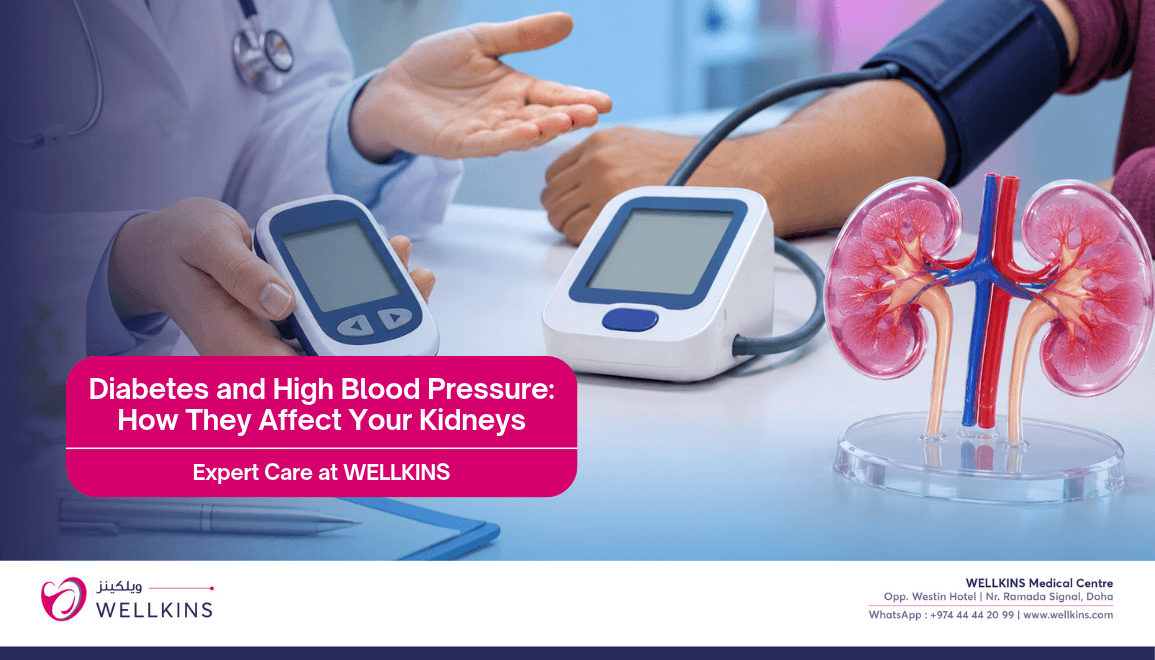
Glucose is an important source of energy, but persistently high levels can damage blood vessels throughout the body. The tiny vessels inside the kidney filters are particularly vulnerable.
In the early stages the kidneys may filter more blood than usual. Over time the filtering barrier can become damaged and allow albumin to pass into the urine. Albumin is a protein that should normally remain in the bloodstream.
Continued injury can lead to scarring and a gradual reduction in filtration. This condition is known as diabetic kidney disease or diabetic nephropathy.
People can learn more about this relationship in the WELLKINS article on how blood sugar affects kidney health in Qatar.
Why Diabetic Kidney Disease Can Develop Silently
The kidneys can continue functioning despite early damage. As a result, diabetic kidney disease may progress without pain or obvious changes in urination.
Some people assume that normal urine colour or normal urine volume means their kidneys are healthy. These observations cannot rule out albumin leakage or reduced filtration.
Regular testing is important because the first signs may appear only in laboratory results. Identifying changes early provides an opportunity to improve glucose and blood pressure management before more kidney function is lost.
How High Blood Pressure Damages the Kidneys
Blood pressure is the force of circulating blood against the walls of the arteries. When this pressure remains elevated, it can narrow, weaken or damage blood vessels throughout the body.
The kidneys depend on a healthy blood supply to filter waste effectively. Damage to their small vessels can reduce oxygen delivery and interfere with filtration.
High blood pressure may cause kidney disease even in someone without diabetes. The risk becomes greater when hypertension occurs alongside diabetes, abnormal cholesterol, smoking, obesity or existing cardiovascular disease.
For a more detailed explanation of diagnosis and control, patients can read the WELLKINS guide to understanding and managing high blood pressure in Qatar.
How Kidney Disease Can Raise Blood Pressure
The relationship also works in the opposite direction. When the kidneys cannot remove sodium and fluid effectively, additional fluid may remain in the bloodstream and increase blood pressure.
The kidneys also participate in a hormonal system that helps regulate blood pressure. Kidney damage may disrupt this system and contribute to persistent or difficult to control hypertension.
This creates a potentially harmful cycle. High blood pressure damages the kidneys while declining kidney function makes blood pressure harder to control. Breaking this cycle is a central goal of chronic kidney disease management.
Why Having Diabetes and High Blood Pressure Increases Risk
Diabetes and hypertension are both major causes of chronic kidney disease. When they occur together, the kidney filters are exposed to metabolic damage from high glucose and mechanical stress from elevated blood pressure.
The combined risk may be higher in people who also have:
- Excess body weight or increased abdominal fat
- High LDL cholesterol or raised triglycerides
- A family history of kidney disease
- Heart or blood vessel disease
- A history of smoking
- Sleep apnoea
- Frequent use of medicines that can affect kidney function
- Previous episodes of acute kidney injury
- Increasing age
Risk factors do not confirm that kidney damage is present. They help determine how frequently a person should be monitored and whether additional protective measures are appropriate.
The Two Important Kidney Tests You Should Know
Kidney monitoring should not rely on a single blood result. Two complementary tests are commonly used to identify and monitor chronic kidney disease.
One estimates how effectively the kidneys filter blood. The other checks whether the filtering barrier is allowing albumin to leak into the urine.
1. Estimated Glomerular Filtration Rate
The estimated glomerular filtration rate or eGFR is calculated from a blood creatinine measurement together with personal information such as age and sex. It provides an estimate of how well the kidneys are filtering blood.
A lower eGFR may suggest reduced kidney function. However, one result does not always confirm chronic kidney disease because dehydration, acute illness, medication and other factors can temporarily affect creatinine.
When a result is abnormal, repeat testing and clinical evaluation may be necessary. Chronic kidney disease generally requires evidence that the abnormality has persisted or that another marker of kidney damage is present.
2. Urine Albumin to Creatinine Ratio
The urine albumin to creatinine ratio or UACR checks for albumin leakage in a urine sample. Albuminuria can appear before the eGFR begins to decline, which makes urine testing important for early detection.
Temporary albumin leakage may occur after strenuous exercise, fever, dehydration, urinary infection or poorly controlled blood sugar. An abnormal result may therefore need to be repeated before a long term diagnosis is made.
A patient can have a normal eGFR and still have albuminuria. The reverse can also occur. Both tests provide different information and should be interpreted together.
Other Tests That May Be Recommended
The exact investigation plan depends on medical history, symptoms and previous results. In addition to eGFR and UACR, an internal medicine specialist may consider:
- Serum creatinine and urea
- Electrolytes including potassium and sodium
- HbA1c to estimate average blood glucose over recent months
- Fasting or random blood glucose
- A lipid profile to assess cholesterol and triglycerides
- A complete blood count to check for anaemia
- A routine urine analysis
- Liver function tests when metabolic disease is suspected
- Kidney ultrasound when structural disease or obstruction is a concern
- Additional testing based on the suspected cause
The Medical Laboratory at WELLKINS Medical Centre provides kidney function, diabetes monitoring and urine testing when requested by the treating doctor.
Can Kidney Disease Be Present With Normal Creatinine?
Yes. Creatinine can remain within the laboratory reference range during early kidney disease. Results are influenced by muscle mass, age, diet and other individual factors.
This is why doctors usually consider the calculated eGFR rather than looking only at whether creatinine is marked as normal. Urine albumin testing can also identify kidney damage before filtration falls significantly.
A normal creatinine result should not replace appropriate screening in a person with diabetes or high blood pressure.
What Is HbA1c and Why Does It Matter?
HbA1c estimates average blood glucose over approximately the previous two to three months. It helps doctors evaluate long term glucose control rather than relying only on one reading taken on the day of the consultation.
Higher glucose exposure can increase the risk of small blood vessel complications involving the kidneys, eyes and nerves. Improving glucose control can reduce this risk, but the safest target differs between individuals.
Age, duration of diabetes, medication, risk of low blood sugar, kidney function and other health conditions all influence the appropriate HbA1c goal. Patients should follow an individual target discussed with their doctor.
Blood Pressure Targets Should Be Individualised
Lowering elevated blood pressure helps protect the kidneys, heart, brain and blood vessels. However, there is no single target that is suitable for every patient.
The appropriate goal may depend on age, diabetes, albuminuria, kidney function, cardiovascular disease, fall risk, pregnancy and the ability to tolerate treatment without dizziness or excessively low blood pressure.
Home readings can help show whether blood pressure is consistently controlled outside the clinic. A validated monitor, correct cuff size and proper measurement technique are essential for useful results.
How to Measure Blood Pressure at Home
Patients monitoring blood pressure at home can improve accuracy by following a consistent method:
- Avoid smoking, caffeine and strenuous exercise shortly before measurement
- Empty the bladder before checking blood pressure
- Sit quietly for several minutes with the back supported
- Keep both feet flat on the floor
- Support the arm at approximately heart level
- Place the cuff on bare skin rather than over clothing
- Avoid talking during the measurement
- Take readings at similar times when advised
- Record the results for review during the consultation
A single high reading does not always confirm uncontrolled hypertension. Repeated measurements and clinical review provide a more reliable picture.
Medicines and Kidney Protection
Medication may be needed to manage glucose, blood pressure and kidney risk. The choice depends on the person’s kidney function, albumin level, cardiovascular history and other medical conditions.
Some blood pressure medicines can reduce albumin leakage and slow kidney damage in appropriate patients. Certain modern diabetes medicines may also provide kidney and cardiovascular protection beyond their glucose lowering effect.
These treatments are not suitable for everyone. Kidney function, potassium and blood pressure may need to be checked after starting or changing particular medicines.
Patients should not start, stop or change medication based only on information from an article. Treatment decisions should be made with the prescribing doctor.
Why Medication Review Matters When Kidney Function Changes
The kidneys help remove many medicines and their breakdown products from the body. When filtration declines, some doses may need to be adjusted to prevent accumulation or side effects.
Patients should tell their doctor about all prescription medicines, pain relievers, supplements and herbal products. Nonprescription products can still affect kidney function or interact with other treatments.
Regular use of certain anti inflammatory pain medicines can be harmful for some people with diabetes, hypertension, dehydration or kidney disease. A doctor or pharmacist can recommend safer options based on the individual situation.
Nutrition for Diabetes, Blood Pressure and Kidney Health
A healthy eating plan should support all three conditions rather than treating each one separately. Useful changes may include reducing excessive salt, limiting sugary drinks and choosing appropriate portions of minimally processed foods.
Protein, potassium, phosphorus and fluid recommendations can change when kidney disease becomes more advanced. A diet promoted for general fitness may therefore not be appropriate for every person with reduced kidney function.
Patients with diabetes can also read the WELLKINS diet plan for healthy diabetes management. Individual advice remains important when diabetes occurs with kidney disease or other medical conditions.
Practical Steps That Support Kidney Health
A kidney protection plan may include the following measures:
- Take diabetes and blood pressure medication as prescribed
- Attend scheduled blood and urine testing
- Monitor blood pressure at home when advised
- Follow an individual blood glucose monitoring plan
- Reduce excessive dietary salt
- Avoid smoking and tobacco use
- Maintain regular physical activity suited to your health
- Work toward a healthy body weight when appropriate
- Discuss pain medicines and supplements with a clinician
- Stay appropriately hydrated during hot weather or illness
- Attend eye, foot and cardiovascular assessments recommended for diabetes
- Seek medical advice during vomiting, diarrhoea or another illness that affects fluid intake
These measures work best as part of a structured plan that is reviewed over time. Kidney protection is usually achieved through consistency rather than one short period of strict control.
Does Drinking More Water Prevent Kidney Disease?
Adequate hydration supports normal body function, but drinking excessive amounts of water does not reverse diabetic kidney disease or remove chronic kidney damage.
Fluid needs vary according to climate, physical activity, medications, heart function and kidney function. Some people with advanced kidney or heart disease may need a medically advised fluid limit.
Patients in Qatar should pay attention to hydration during hot weather, outdoor work and exercise. However, thirst or increased urination can also be a sign of high blood sugar and should not always be attributed to the climate.
Why Regular Follow Up Is Important
Diabetes, hypertension and chronic kidney disease can change over time. A treatment plan that was appropriate last year may need adjustment after changes in weight, blood results, medication or kidney function.
Follow up allows the doctor to review:
- HbA1c and glucose trends
- Clinic and home blood pressure readings
- eGFR and creatinine results
- Urine albumin levels
- Potassium and other electrolytes
- Cholesterol and cardiovascular risk
- Medication effectiveness and side effects
- Nutrition, exercise and weight changes
The frequency of review depends on the person’s results and risk. Patients with abnormal kidney markers or difficult to control blood pressure may require closer monitoring.
Early Signs of Kidney Disease
Most people do not notice symptoms during the early stages. This is why waiting for symptoms can delay diagnosis.
As kidney disease progresses, possible symptoms may include:
- Swelling of the feet, ankles, hands or face
- Foamy urine caused by protein leakage
- Changes in urination frequency
- Persistent tiredness or weakness
- Loss of appetite
- Nausea or vomiting
- Muscle cramps
- Dry or itchy skin
- Shortness of breath
- Increasing difficulty controlling blood pressure
These symptoms are not specific to kidney disease. Medical assessment is needed to identify their cause.
When Should You Consult an Internal Medicine Specialist?
Consider arranging an assessment when:
- You have diabetes or high blood pressure and have not recently checked kidney function
- Your HbA1c or blood pressure remains above your individual target
- A urine test has shown albumin or protein
- Your creatinine has increased or eGFR has decreased
- You have both diabetes and hypertension
- You develop persistent swelling or foamy urine
- You have a family history of kidney failure
- You have repeated episodes of kidney stones or urinary abnormalities
- You use several medicines that may require kidney monitoring
- You are uncertain about conflicting home and clinic blood pressure readings
At the Internal Medicine Department at WELLKINS Medical Centre, diabetes, hypertension and kidney health can be assessed together through clinical review, laboratory monitoring and an individualised long term management plan.
When Is Urgent Medical Attention Required?

Seek urgent medical care if diabetes, high blood pressure or suspected kidney disease occurs with:
- Severe shortness of breath
- Chest pain or pressure
- New confusion or unusual drowsiness
- Sudden weakness, facial drooping or difficulty speaking
- A very high blood pressure reading with concerning symptoms
- Severe headache with vision changes or neurological symptoms
- Very low urine output
- Rapidly increasing swelling
- Persistent vomiting with inability to keep fluids down
- Severe symptoms of high or low blood sugar
- Loss of consciousness or a seizure
These symptoms should not wait for a routine appointment. Emergency assessment may be required.
Conclusion
Diabetes, high blood pressure and kidney health form a closely connected system. High blood sugar can damage kidney filters while elevated blood pressure places additional strain on the kidney’s blood vessels.
Once kidney function declines, changes in fluid balance and hormone regulation can make hypertension more difficult to manage. This cycle explains why glucose, blood pressure and kidney markers should be monitored together.
Early kidney disease may cause no symptoms. Regular eGFR and urine albumin testing can identify changes before significant complications appear.
Dr. Jacob Neil, (Consultant, Internal Medicine – WELLKINS Medical Centre) provides evaluation and long term management for diabetes, hypertension, kidney disease and related metabolic conditions.
To arrange a consultation, visit the WELLKINS appointment booking page.
To learn more about the available services, visit the Internal Medicine Department at WELLKINS Medical Centre.
This article is intended for general education and does not replace an individual medical consultation. Blood sugar, blood pressure and kidney treatment targets should be personalised by a qualified healthcare professional.