
Author: Dr. Reneesh, (Consultant Orthopedic Surgeon – WELLKINS Medical Centre)
Introduction
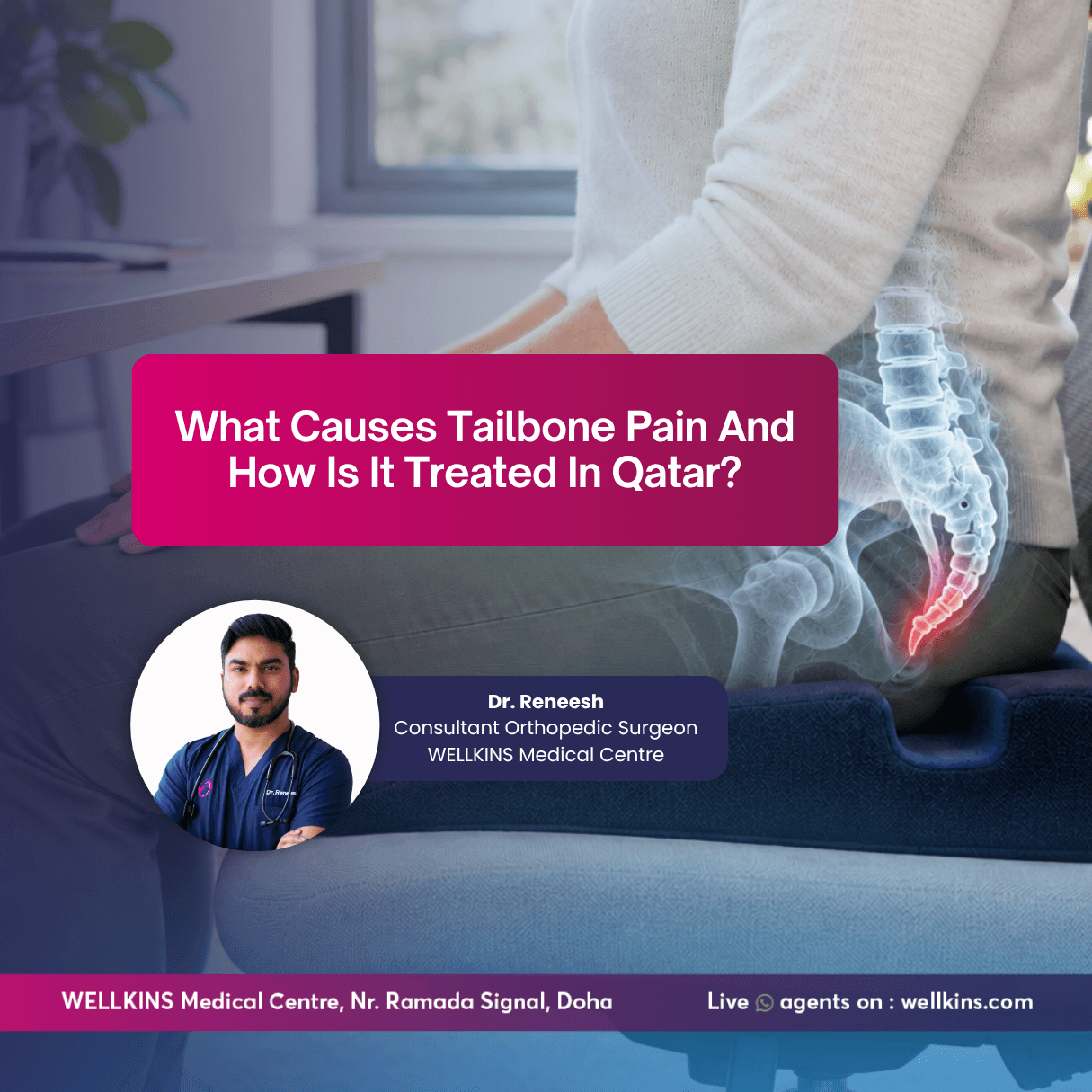
Tailbone pain, medically known as coccydynia, refers to pain around the coccyx. This small triangular bone sits at the bottom of the spine just above the cleft between the buttocks and provides attachment for several ligaments, tendons and pelvic floor muscles.
Tailbone pain can affect people of different ages and may develop after a fall, prolonged sitting, childbirth, repetitive pressure or without a clearly identifiable cause. It may interfere with sitting, driving, cycling, bending forward and moving from a seated to a standing position.
Many cases improve with pressure reduction and other conservative measures. Persistent, severe or unusual pain requires medical evaluation to identify the likely source and exclude conditions that need different treatment.
As an orthopedic surgeon, the aim is to establish an accurate diagnosis, reduce pain, restore daily function and recognise patients who require further investigation or specialised treatment.
“Tailbone pain is often blamed on sitting alone, but persistent coccydynia can have several causes. A fall may bruise or destabilise the coccyx while childbirth, repetitive pressure, pelvic floor dysfunction or referred pain may produce a similar symptom pattern. The most useful assessment connects the exact location of pain with the examination and selects imaging only when it can answer a specific clinical question. Most patients begin with nonoperative care focused on reducing pressure and gradually restoring comfortable movement.”
People Also Ask
How do I know if my tailbone pain is serious?
Seek medical assessment when pain is severe, follows a significant injury, persists despite basic care or interferes with sitting and daily activities. Fever, swelling, discharge, unexplained weight loss or neurological symptoms require more urgent evaluation.
How long does tailbone pain take to improve?
Recovery varies according to the cause and severity. A minor bruise may improve gradually over several weeks while instability, pelvic floor dysfunction or persistent inflammation may require a longer structured treatment plan.
What type of cushion is best for coccydynia?
A wedge shaped coccyx cushion with a cut out at the back can reduce direct pressure on the painful area. The cushion should improve comfort and should not shift pressure onto another painful part of the pelvis.
Does tailbone pain always require an X ray or MRI?
No. Diagnosis is often based on history and examination. Imaging may be selected after trauma, when symptoms persist or when instability, infection, a mass or another condition is suspected.

1. What Are the Causes of Tailbone Pain in Qatar?
Several conditions can cause pain around the coccyx. The history of how the pain began and the activities that worsen it can help distinguish direct coccygeal pain from pain referred from the spine, pelvis or nearby soft tissues.
A. Fall or Direct Trauma
A direct fall onto the buttocks is one of the common causes of coccydynia. The injury may result in bruising, ligament sprain, coccygeal fracture or displacement of the coccyx.
Common symptoms include:
- Localised pain at the bottom of the spine
- Tenderness when pressing over the tailbone
- Pain while sitting on hard surfaces
- Discomfort when standing up from a chair
- Pain during bowel movements in some cases
Major bruising, difficulty walking or severe pain after a substantial fall should be assessed promptly. Imaging may be appropriate when fracture or displacement is suspected.
B. Prolonged Sitting and Repetitive Pressure
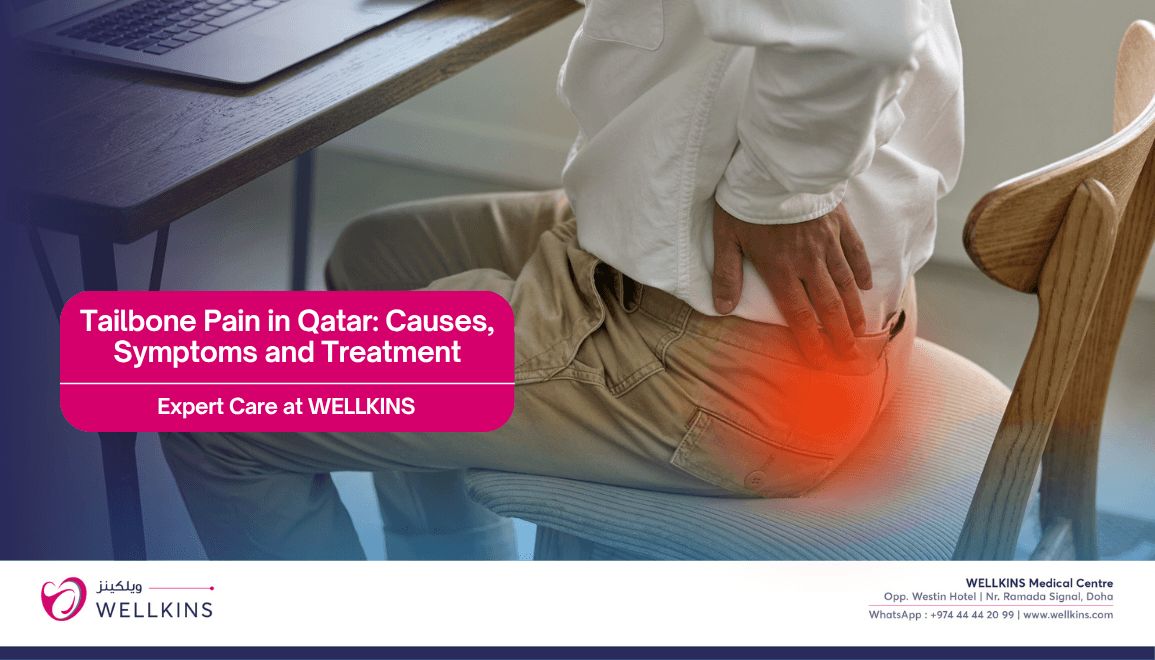
Sitting for long periods, particularly on hard or poorly cushioned surfaces, can increase pressure on the coccyx. Repetitive loading during cycling, rowing or similar activities may also aggravate symptoms.
People with desk based occupations or long daily commutes in Doha may notice that pain builds throughout the day. Changing position regularly and reviewing the chair setup can reduce continuous pressure without requiring complete rest.
C. Coccygeal Hypermobility or Instability
Abnormal movement of the coccyx during sitting can contribute to persistent pain. Some individuals have excessive mobility, subluxation or an abnormal position of the coccyx.
Symptoms typically worsen during sitting and may improve when standing or lying down. Dynamic radiographs taken in standing and painful sitting positions may be useful in selected patients when instability is suspected.
D. Obesity and Abnormal Coccygeal Anatomy
Body weight, pelvic anatomy and the shape or angulation of the coccyx may influence the mechanical forces acting on the tailbone. These factors may contribute to symptoms when combined with prolonged sitting or repetitive pressure.
An anatomical variation seen on an image does not automatically explain pain. The finding should match the location of tenderness and the patient’s symptom pattern before it is considered clinically important.
E. Childbirth-Related Injury
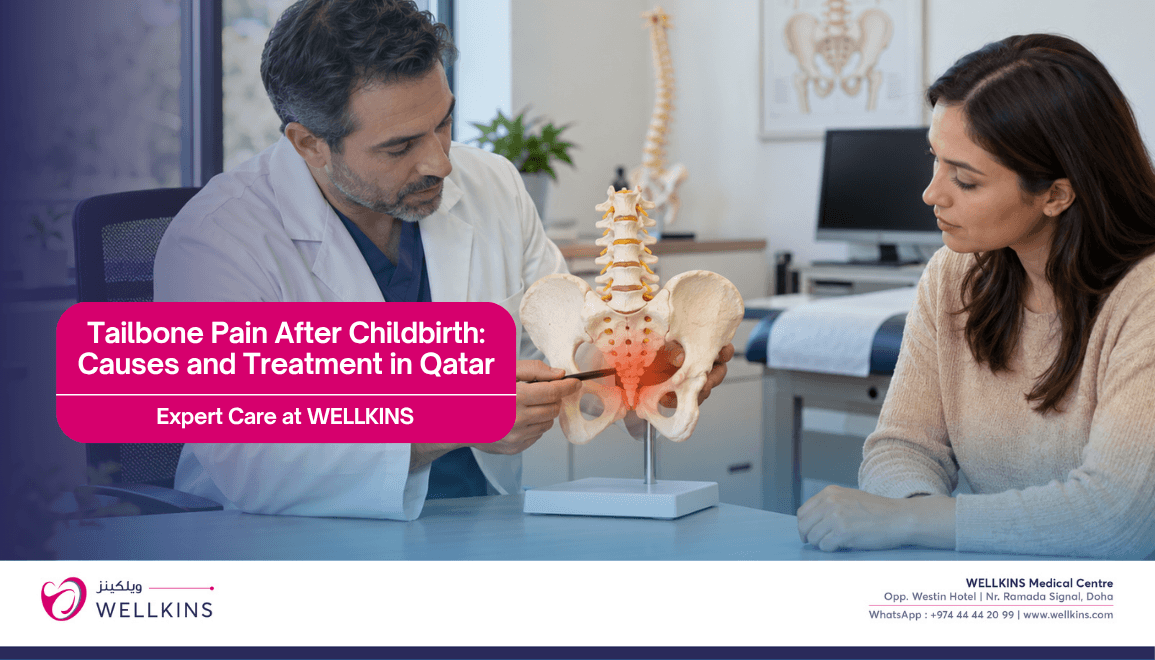
The coccyx may be exposed to considerable mechanical stress during vaginal delivery. This can cause soft tissue injury, excessive movement or occasionally fracture or dislocation.
Persistent tailbone pain following childbirth should be assessed to determine whether symptoms relate to coccygeal injury, pelvic floor dysfunction or another source. Treatment may involve coordinated orthopedic and pelvic health physiotherapy input.
Understanding Mechanical Pressure on the Coccyx
Sitting transfers body weight through the pelvis and can place direct pressure on a sensitive coccyx. Leaning backwards or remaining on a firm seat may increase discomfort in some patients.
The aim of early management is not to avoid sitting forever. It is to reduce repeated irritation while the painful tissues settle and then rebuild tolerance gradually.
F. Degenerative Changes and Joint Irritation in Qatar
Degenerative changes involving the sacrococcygeal or intercoccygeal joints may contribute to pain. In some patients, inflammation or mechanical irritation around these joints causes localised tenderness and pain during sitting.
Degenerative findings may also be present without symptoms. Treatment decisions should therefore be based on clinical correlation rather than an imaging report alone.
G. Pilonidal Disease and Local Infection
Pilonidal disease involves a tract, cyst or inflamed area near the upper part of the buttock cleft. It can become infected and form a painful abscess.
Features that suggest pilonidal disease rather than isolated coccygeal pain include:
- Redness or swelling in the buttock cleft
- A painful lump
- Discharge or pus
- Fever or worsening local pain
An infected pilonidal abscess may require drainage and appropriate medical or surgical treatment. It should not be managed only with a cushion or pain medication.
H. Referred Pain from the Lumbar Spine or Pelvis
Pain felt near the tailbone may originate from the lumbar spine, sacroiliac region, pelvic floor muscles or surrounding soft tissues. Rectal, pelvic or other local conditions can occasionally cause discomfort in the same region.
A careful examination is important to distinguish true coccydynia from referred pain. Symptoms extending into the legs, neurological changes or pain that is not related to sitting may point toward another source.
I. Rare but Important Causes
Persistent or unexplained tailbone pain may occasionally be associated with:
- Infection involving the sacrum or coccyx
- Primary bone tumours including chordoma
- Metastatic bone disease
- Other pelvic or spinal disorders
These causes are uncommon. They become more important to consider when pain is progressive, unrelated to position, present at night or accompanied by fever, unexplained weight loss or a history of cancer.
2. What Are the Symptoms of Tailbone Pain in Qatar?
The symptoms of coccydynia vary according to the underlying cause and severity.
Common symptoms include:
- Pain localised over the tailbone
- Tenderness when direct pressure is applied
- Pain while sitting particularly on hard surfaces
- Pain when moving from sitting to standing
- Discomfort while leaning backwards when seated
- Pain during prolonged driving or cycling
- Discomfort during bowel movements in some patients
- Pain during sexual activity in selected cases
- Difficulty maintaining a comfortable sitting position
Pain may be mild and intermittent or severe enough to interfere with work, sleep, travel and normal daily activities.
An important clinical feature is pain that is aggravated by sitting and direct pressure over the coccyx. However, the symptom pattern alone cannot establish the diagnosis.
3. How Is Tailbone Pain Diagnosed in Qatar?

The diagnosis of coccydynia is primarily clinical. Imaging or additional investigations are used when the history and examination indicate that they may clarify the cause or exclude another condition.
A. Medical History
The orthopedic surgeon may ask about:
- Onset and duration of symptoms
- Previous falls or direct trauma
- The relationship between pain and sitting
- Pain during bowel movements
- Recent childbirth or repetitive physical activity
- Previous treatment and response
- Fever, unexplained weight loss or night pain
- A history of cancer, infection or other relevant medical conditions
Describing the exact painful location is useful because patients may use the term tailbone pain for several nearby areas. The clinician may also ask whether pain spreads into the back, buttocks, pelvis or legs.
B. Physical Examination
The examination may include:
- Inspection of the sacrococcygeal region and buttock cleft
- Assessment for bruising, swelling, skin changes or pilonidal disease
- Palpation of the coccyx to identify localised tenderness
- Examination of the lumbar spine, sacroiliac region and surrounding soft tissues
- Neurological assessment when spinal or nerve related symptoms are suspected
A rectal examination or assessment of coccygeal mobility may occasionally be considered by a suitably trained clinician when clinically necessary and with appropriate consent.
C. X-ray Examination
Plain radiographs may be useful when a fracture, dislocation or structural abnormality is suspected particularly after trauma. The image should be interpreted with the clinical findings because a normal X ray does not exclude every cause of tailbone pain.
D. Dynamic Radiographs
In selected patients with persistent symptoms, lateral radiographs obtained in standing and painful sitting positions may help identify abnormal coccygeal mobility or instability.
Dynamic radiographs are not required for every patient. They are most useful when the pain pattern and examination suggest a mechanical problem that cannot be explained by routine imaging.
E. MRI Scan
MRI may be considered when symptoms persist despite appropriate treatment, the diagnosis remains uncertain or another condition is suspected.
MRI can help assess:
- Bone marrow and soft tissue abnormalities
- Inflammatory changes around the coccyx
- Selected injuries that are not clear on X ray
- Infection or a suspected mass
- Other causes of pain in the sacral or pelvic region
F. Blood Tests and Other Investigations
Blood tests are not routinely necessary for uncomplicated coccydynia. If infection, inflammatory disease or malignancy is suspected, investigations may include a complete blood count, ESR, CRP and additional tests guided by the clinical findings.
Further evaluation should be directed by the suspected condition rather than ordering the same broad group of tests for every patient.
Clinical Examination and Imaging for Coccydynia
Imaging is most helpful when it answers a specific question raised by the history and examination. A scan finding that does not match the patient’s tender area or symptom pattern may be incidental.
This stepwise approach reduces unnecessary testing while allowing persistent or atypical pain to be investigated appropriately.
4. What Is the Treatment for Tailbone Pain in Qatar?
Treatment depends on the cause, severity, duration of symptoms and effect on daily function. Most patients can initially be managed without surgery.
A. Activity Modification
Reducing direct pressure on the coccyx is an important first step.
Patients may benefit from:
- Avoiding prolonged uninterrupted sitting
- Taking frequent standing and walking breaks
- Leaning slightly forward while sitting if comfortable
- Temporarily avoiding activities that clearly aggravate symptoms
- Using supportive seating at work and during travel
Complete bed rest is generally unnecessary for uncomplicated coccydynia. Sensible movement helps maintain mobility and general conditioning while painful pressure is reduced.
B. Coccyx Cushion
A coccyx cushion with a posterior cut out can reduce direct pressure on the tailbone while sitting. A wedge shaped cushion may also help some patients.
The cushion should be tested for comfort because a poorly positioned or overly soft cushion can shift pressure rather than reduce it. It should support temporary symptom management while sitting habits and activity tolerance are addressed.
C. Ice and Heat Therapy
Ice wrapped in a towel may help relieve pain following an acute injury. Heat may be useful for associated muscle tightness in selected patients.
Avoid placing ice or heat directly on the skin. Limit each application to a comfortable duration and stop if pain, skin irritation or numbness worsens.
D. Medications
Depending on the patient’s medical history, appropriate medication may include:
- Paracetamol for pain relief when suitable
- A short course of a nonsteroidal anti inflammatory medicine when appropriate
- Other medication only when indicated by the underlying diagnosis
Anti inflammatory medication is not suitable for everyone. Kidney disease, stomach ulcer history, cardiovascular risk, pregnancy and interactions with other medication should be considered before use.
E. Physiotherapy
Physiotherapy may be helpful in persistent cases particularly when pelvic floor muscle dysfunction, altered movement patterns or associated lumbar and hip problems are present.
Treatment may include:
- Gentle mobility exercises
- Pelvic floor assessment and individualised rehabilitation
- Relaxation techniques for an overactive pelvic floor
- Manual therapy in selected patients
- Postural correction and sitting modification
- Gradual return to normal activities
Treatment should be tailored to the individual. Aggressive exercises or manual techniques that reproduce significant pain should be avoided.
F. Local Injections
For patients whose symptoms persist despite appropriate conservative treatment, injections may be considered following specialist assessment.
Options include:
- Local anaesthetic injection: This may help confirm the painful structure and provide temporary relief.
- Corticosteroid injection: This may be considered in selected cases involving persistent localised inflammation or pain.
- Ganglion impar block: This may be considered for selected patients with refractory coccygeal pain after less invasive measures have not provided sufficient benefit.
The degree and duration of relief vary. Injections are not necessary for every patient and the evidence for some interventions remains limited.
G. Surgery – Coccygectomy
Coccygectomy is the surgical removal of part or all of the coccyx. It is generally reserved for carefully selected patients with persistent disabling pain who have not responded to an adequate course of nonsurgical treatment.
Before considering surgery, the surgeon should confirm that the coccyx is the likely source of pain and assess for other causes. A clear connection between symptoms, examination findings and relevant imaging improves patient selection.
Potential complications include wound infection, delayed wound healing and persistent pain. Because the surgical site is close to the buttock cleft, careful wound management is particularly important.
A Stepwise Treatment Plan for Tailbone Pain in Qatar
Treatment usually progresses from pressure reduction and activity modification to rehabilitation and selected procedures when necessary. Progress should be based on symptom response and restored function rather than a fixed calendar alone.
Surgery is uncommon and should not be presented as the automatic next step when basic treatment fails briefly. Persistent cases benefit from reassessment of the diagnosis before more invasive treatment is chosen.
5. When Should You Seek Urgent Medical Attention?
Tailbone pain should be assessed urgently when accompanied by any of the following:
- Severe pain following a significant fall or injury
- Fever, redness, swelling or discharge near the buttock cleft
- Rapidly worsening or unexplained persistent pain
- Unexplained weight loss or a history of cancer
- New leg weakness, saddle area numbness or loss of bladder or bowel control
New bladder or bowel dysfunction, numbness around the inner thighs or genital region or progressive neurological weakness requires emergency assessment because these symptoms may indicate serious spinal or neurological disease.
6. Can Tailbone Pain Be Prevented?
Not all cases are preventable, but certain measures may reduce pressure and irritation around the coccyx:
- Avoid sitting continuously for long periods
- Use a suitable coccyx cushion when necessary
- Maintain a healthy body weight
- Take regular movement breaks during long journeys or desk work
- Increase cycling and other repetitive activities gradually
- Use appropriate protective measures during sports and physical activities
- Seek assessment when pain persists or repeatedly returns
Prevention should focus on managing repeated pressure and maintaining comfortable movement. A patient who continues to experience pain despite these measures may need an assessment rather than further self modification.
Conclusion
Tailbone pain or coccydynia is a potentially disabling condition that commonly presents with localised pain aggravated by sitting and direct pressure over the coccyx. Causes include direct trauma, prolonged sitting, coccygeal instability, degenerative changes and selected pelvic or spinal disorders.
A careful clinical assessment is essential to distinguish uncomplicated coccydynia from fracture, infection, referred pain and other less common but important conditions.
Most patients can initially be treated with pressure reduction, activity modification, suitable pain relief and individualised rehabilitation. Injections or coccygectomy may be considered in carefully selected patients with persistent symptoms.
If tailbone pain is persistent, severe or interfering with daily activities, consult an orthopedic specialist for an accurate diagnosis and an individualised treatment plan.
To book an appointment with Dr. Reneesh at Wellkins Medical Centre: https://wellkins.com/drreneesh
To know more about the Orthopedic services at Wellkins Medical Centre: https://wellkins.com/orthopedics
To arrange an appointment with Dr. Reneesh, use the WELLKINS orthopedic booking page
This article is intended for general education and does not replace an individual medical assessment. Seek urgent medical attention for fever with local swelling, severe pain after major trauma, progressive weakness, saddle numbness or loss of bladder or bowel control.