
Author: Dr. Asha Anne Jacob, (Consultant Ophthalmologist – Wellkins Medical Centre)
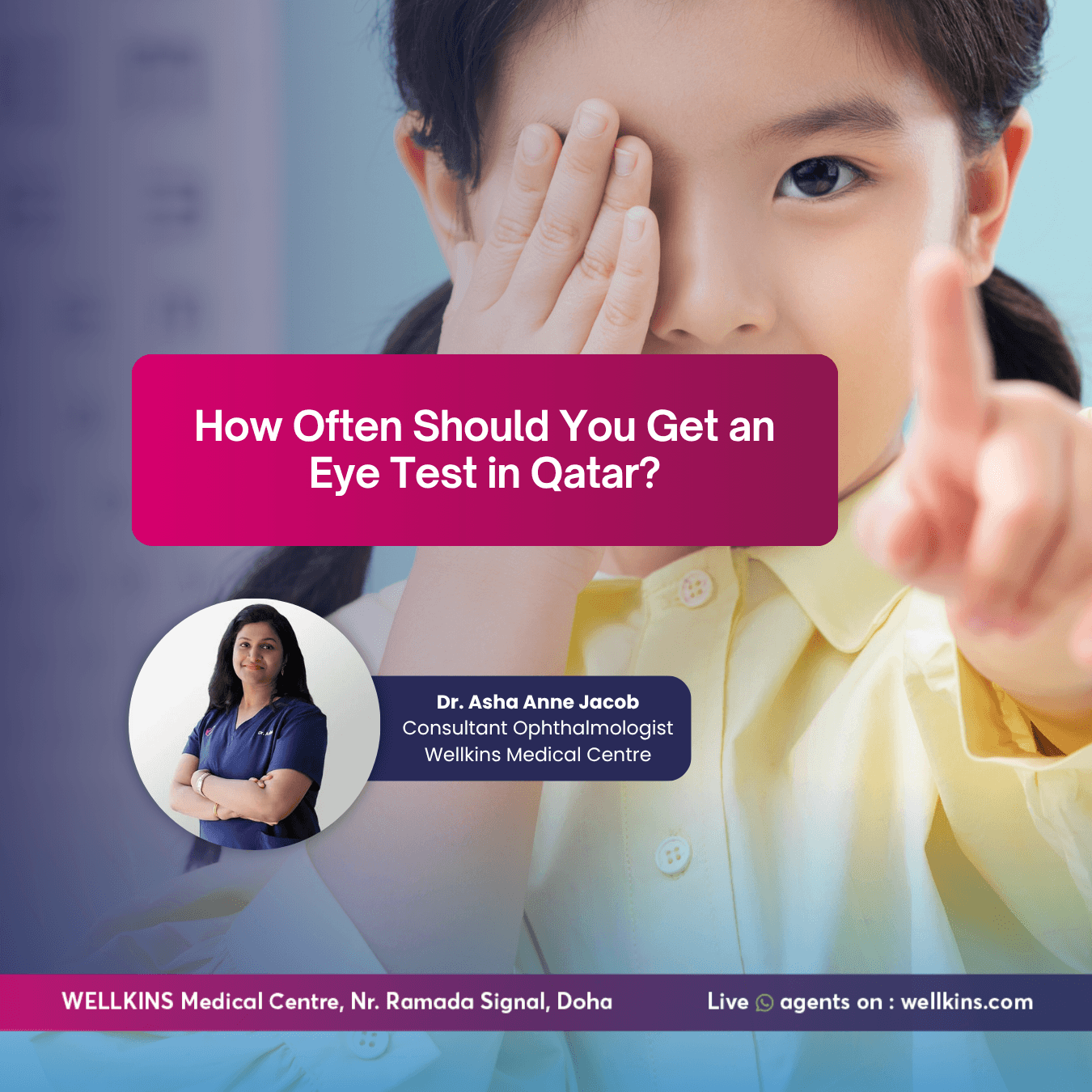
Most people in Qatar visit an eye clinic for one of two reasons: either something has already gone wrong with their vision or they need a prescription updated because their glasses are no longer working as well as they used to. Very few come in for a routine eye examination when everything seems fine. This is understandable but it is also one of the most common missed opportunities in preventive healthcare.
The eyes are among the few places in the body where changes to the blood vessels, the optic nerve and the internal structures can be seen directly and examined without any invasive procedure. A comprehensive eye examination is not just about checking whether you need glasses. It is a window into your overall health that can reveal early signs of conditions including glaucoma, diabetic eye disease, hypertensive retinopathy and macular degeneration before those conditions cause any symptoms at all.
In Qatar, where the adult population carries among the highest rates of diabetes and hypertension in the world, where screen time is among the highest globally and where the transition between intense outdoor UV exposure and heavily air-conditioned indoor environments places consistent demands on visual health, the question of how often to have an eye test is not a minor administrative consideration. It is a genuinely important healthcare decision.
The patients who concern me most are not the ones who come in with a problem. They are the ones who have not been in for years because their vision seems fine to them. Many of the most serious eye conditions, including glaucoma and early diabetic retinopathy, are entirely symptom-free in their early stages. By the time vision is affected the window for the most effective intervention has often already passed. A routine eye examination when you feel nothing is wrong is not a waste of time. It is exactly the right time to come in.
People Also Ask
How often should adults have an eye test in Qatar?
For adults with no known eye conditions, no risk factors and no symptoms, a comprehensive eye examination every two years is the standard recommendation. Adults over 40 should consider annual examinations given the increased risk of age-related conditions including glaucoma, cataracts and macular degeneration at this stage. Adults with diabetes, hypertension, a family history of eye disease or an existing prescription should be reviewed annually or more frequently depending on their specific clinical situation. Children should be assessed at school entry and then every one to two years throughout the school years.
Can an eye test detect health conditions beyond the eyes?
Yes and this is one of the most clinically significant but least widely understood aspects of a comprehensive eye examination. During a dilated eye examination your ophthalmologist examines the blood vessels, optic nerve and retinal tissue at the back of the eye in detail. Changes in these structures can reveal early signs of diabetes, high blood pressure, high cholesterol, multiple sclerosis, thyroid disease and in some cases intracranial pressure changes. In Qatar where diabetes and hypertension are highly prevalent, the eye examination serves as an important additional monitoring point for systemic conditions that affect millions of residents.
How do I know if I need an eye test sooner than scheduled?
You should seek an eye examination promptly rather than waiting for your next scheduled visit if you experience any of the following: sudden changes in vision, new floaters or flashes of light, a shadow or curtain appearing across part of your visual field, significant eye pain or redness, double vision, difficulty seeing in low light that has worsened noticeably or any head injury that has affected your vision. These symptoms can indicate conditions that require urgent assessment and should not be monitored at home.
Does using screens all day affect how often I need an eye test?
Prolonged screen use does not permanently damage vision but it does contribute to digital eye strain, dry eye symptoms and in children who spend significant time on near work, potentially to the progression of myopia. Adults in Qatar’s office-based professional environment who spend eight or more hours per day on screens should be assessed at least every two years and more frequently if they notice symptoms including headaches after screen use, difficulty focusing between near and distant objects, blurred vision at the end of the day or dry and irritable eyes. These symptoms warrant assessment rather than simply assuming they are normal consequences of screen time.

Why Eye Test Frequency Matters in Qatar Specifically
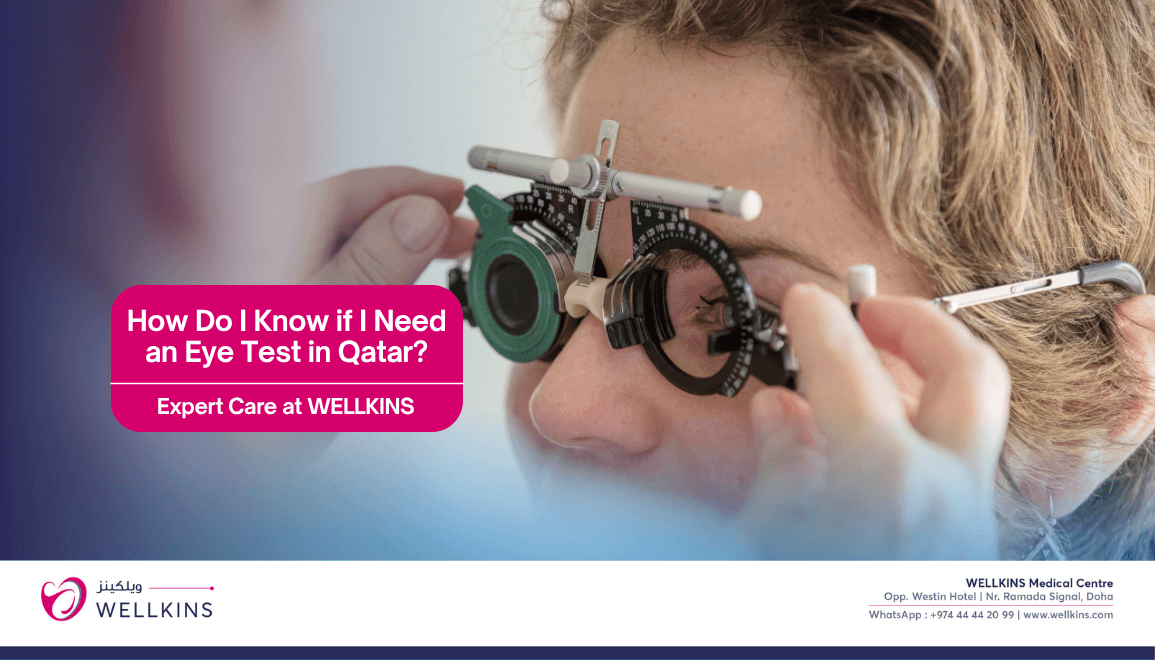
Qatar’s population and environment create a specific set of factors that make regular eye examinations more important than in many other parts of the world.
- Diabetes Prevalence: Qatar has one of the highest rates of type 2 diabetes in the world. Diabetic retinopathy, the damage to the blood vessels of the retina caused by chronically elevated blood sugar, is the leading cause of preventable blindness in working-age adults globally. It produces no symptoms in its early stages. By the time vision is affected the damage is often advanced and significantly harder to treat. Annual dilated eye examinations are the standard of care for all adults with diabetes in Qatar regardless of how well their blood sugar appears to be controlled.
- Hypertension: High blood pressure damages the blood vessels of the retina in ways that are visible on examination long before symptoms develop. Hypertensive retinopathy identified on a routine eye examination is often the prompt that leads to better blood pressure management, protecting both sight and cardiovascular health simultaneously.
- High UV Exposure: Qatar’s intense year-round sunlight accelerates UV-related eye conditions including cataracts and pterygium, the growth of tissue from the conjunctiva onto the cornea that is significantly more prevalent in high-UV environments. Regular examination monitors for these conditions and advises on protective measures including appropriate sunglasses with UV400 rating for outdoor use.
- Screen Time: Qatar’s highly connected professional and social environment means most adults spend significant hours each day on digital screens. While screen use does not permanently damage the eyes, it contributes to digital eye strain and dry eye disease that can be identified and managed effectively through regular review.
- Myopia in Children and Young Adults: Short-sightedness is increasing rapidly in Qatar’s younger population driven by increased near work, reduced outdoor time and the specific visual demands of the school environment. Regular monitoring during the school years allows myopia progression to be tracked and myopia management strategies to be implemented when they are most effective.
Recommended Eye Test Frequency by Age and Risk
Children (Ages 3 to 17)
Children’s vision is critical to learning and development and yet young children almost never report blurred vision because they have no comparison for what clear vision feels like. A child who has always seen the world slightly out of focus assumes that is normal.
- Pre-school age (3 to 5 years): A baseline eye examination is recommended even without symptoms to identify amblyopia, squint and significant refractive errors that would affect the development of normal vision if left uncorrected at this critical developmental stage.
- School entry (5 to 6 years): A comprehensive eye examination at school entry is strongly recommended. The vision demands of reading, writing and board work in Doha’s nurseries and international schools make clear vision at all distances essential from the first day.
- School years (6 to 17 years): Every one to two years, or annually if the child already wears glasses or if myopia is progressing. Qatar’s school screening programmes identify some children who need further assessment but a screen is not a substitute for a full clinical examination.
Adults With No Risk Factors (Ages 18 to 39)
Young adults with no symptoms, no family history of eye disease and no systemic health conditions benefit from a comprehensive eye examination every two years. This is not primarily about checking for refractive changes but about establishing a baseline of the optic nerve, retinal vessels and intraocular pressure against which future examinations can be compared.
Adults at Increased Risk (Any Age)
Annual eye examinations are recommended for adults in any of the following categories regardless of age.
- Diabetes, including both well-controlled and poorly controlled disease as the retinal risk exists across the spectrum.
- Hypertension, particularly when blood pressure has been difficult to control.
- A family history of glaucoma, macular degeneration or inherited retinal conditions.
- An existing prescription for glasses or contact lenses, particularly one that changes between visits.
- A history of eye injury, eye surgery or ocular inflammatory conditions.
- Use of medications known to affect the eyes including long-term hydroxychloroquine, systemic steroids or certain antipsychotic medications.
- Previous diagnosis of any eye condition including early glaucoma, early cataracts or any retinal pathology.
Adults Over 40
The risk of age-related eye conditions increases significantly after 40. Annual examinations are the most appropriate frequency for most adults in this group as glaucoma, age-related macular degeneration, cataracts and presbyopia all become more prevalent from this decade onward. Many of these conditions are most effectively managed when identified early and the annual examination is the mechanism by which early identification happens.
What a Comprehensive Eye Examination at Wellkins Includes
A comprehensive eye examination at Wellkins Medical Centre covers significantly more than a basic vision test. The specific components included at each examination are tailored to the patient’s age, risk profile and any concerns raised during the consultation.
- Case History and Symptom Review: A detailed discussion of any visual symptoms, changes since the last examination, relevant medical conditions, family eye history, current medications and occupational or recreational visual demands that shape the examination priorities.
- Visual Acuity Testing: Assessment of how clearly each eye sees at distance and near using standardized charts. For children, picture-based or matching charts are used to produce reliable results regardless of reading ability.
- Refraction: Determining the precise optical prescription required for each eye to achieve optimal vision. In children and selected adults, cycloplegic refraction using dilating drops is performed to obtain an accurate measurement that the eyes’ own focusing cannot mask.
- Intraocular Pressure Measurement: Elevated intraocular pressure is a key risk factor for glaucoma and is measured at every comprehensive examination. Pressure measurement alone does not diagnose glaucoma but alongside the optic nerve examination it provides essential monitoring information.
- Slit Lamp Examination: Detailed examination of the front of the eye including the cornea, lens and anterior chamber, identifying conditions including cataracts, corneal disease and signs of inflammation.
- Dilated Fundus Examination: Examination of the retina, optic nerve and blood vessels at the back of the eye following dilation of the pupil with drops. This is the most clinically significant component of the examination for identifying diabetic retinopathy, hypertensive retinopathy, macular degeneration and glaucomatous optic nerve damage.
- Additional Investigations Where Indicated: Including visual field testing for glaucoma monitoring, OCT imaging of the retina and optic nerve and corneal topography where contact lens fitting or refractive surgery assessment is being considered.
Signs That Mean You Should Not Wait for Your Next Scheduled Test
There are specific symptoms that always warrant prompt assessment at Wellkins rather than waiting for a routinely scheduled appointment.
- Sudden loss of vision or a significant change in vision in one or both eyes.
- New floaters, particularly a sudden shower of floaters, or new flashes of light in the peripheral vision. These can indicate a retinal tear or detachment which is a time-sensitive emergency.
- A shadow, curtain or dark area appearing across any part of your visual field.
- Significant eye pain, particularly when accompanied by redness, nausea or halos around lights, which may indicate acute angle closure glaucoma requiring urgent treatment.
- Double vision that has appeared suddenly.
- Any eye injury involving a sharp object, chemical exposure or significant blunt trauma.
Practical Tips for Protecting Your Vision Between Eye Tests
A comprehensive eye examination every one to two years is the foundation of visual health but what happens between visits matters too.
- Wear UV-protective sunglasses outdoors: In Qatar’s high UV environment, sunglasses with a UV400 rating worn consistently outdoors reduce the cumulative UV exposure that accelerates cataracts and pterygium formation over years.
- Follow the 20-20-20 rule for screen use: Every 20 minutes of screen work, look at something approximately 6 meters away for 20 seconds. This allows the focusing system to relax and reduces the symptoms of digital eye strain.
- Control diabetes and blood pressure actively: The most effective protection against diabetic retinopathy and hypertensive retinopathy is good systemic disease management alongside regular eye examinations. Keeping HbA1c and blood pressure within target ranges dramatically reduces the risk of sight-threatening complications.
- Wear appropriate eye protection for sport and hazardous work: Eye injuries are among the most common preventable causes of vision loss. Polycarbonate safety glasses or sports goggles appropriate to the activity should be worn consistently.
- Do not ignore symptoms: Any new visual symptom including blurring, distortion, floaters or discomfort that persists beyond a day or two deserves an assessment rather than a watch-and-wait approach.
Regular eye examinations are not simply about keeping your prescription current. They are one of the most effective investments you can make in your long-term vision and your broader health, particularly in Qatar’s specific risk environment. The best time for an eye examination is before a problem becomes a symptom.
To book an appointment with Dr. Asha Anne Jacob at Wellkins Medical Centre: https://wellkins.com/drasha
To know more about the Ophthalmology services at Wellkins Medical Centre: https://wellkins.com/ophthalmology