

Author: Dr. Reneesh, (Consultant Orthopedic Surgeon – Wellkins Medical Centre)
The hand is one of the most complex and functional parts of the human body, consisting of bones, joints, tendons, ligaments, nerves and blood vessels working together in a remarkably small space to allow the precision and strength that everyday life demands. From typing on a keyboard to lifting heavy objects, from a firm handshake to the fine motor control needed to write a signature, the hand is involved in nearly everything we do.
Due to its constant use the hand is highly susceptible to injuries which can significantly impact daily activities and quality of life. As an orthopedic surgeon I frequently encounter patients with hand injuries ranging from minor cuts to severe fractures, often in patients who initially underestimated how much a hand injury would affect their daily function until they were living with it.
In Qatar, where construction, manufacturing and industrial work form a significant part of the economy and where sport and active lifestyles are widely embraced, hand injuries represent a consistent and significant proportion of the orthopedic workload at Wellkins Medical Centre. This blog discusses the causes, symptoms, diagnosis, complications and prognosis of hand injuries so you understand exactly what you are dealing with and when it is time to seek specialist care.
Hand injuries should never be ignored, as even minor damage can lead to long-term dysfunction. The hand has very little tissue redundancy. A small injury to a nerve, tendon or joint in the hand can have an outsized impact on function compared to a similar injury elsewhere in the body simply because of how densely packed and how precisely coordinated the structures in the hand are. I see patients who delayed seeking care for what they assumed was a minor sprain, only to discover weeks later that a tendon injury had progressed or a fracture had healed in a poor position. Early assessment is one of the most important factors in determining how completely a hand injury recovers.
People Also Ask
How do I know if I have broken a bone in my hand?
The most common indicators of a hand fracture include significant pain that worsens with movement or grip, swelling and bruising over the affected area, visible deformity or an abnormal angle of a finger or the hand, an inability to fully move the affected finger or wrist and tenderness when pressing directly over the bone. A popping or cracking sensation at the time of injury also suggests a possible fracture. Because the small bones of the hand are closely packed, an X-ray is always required to confirm or exclude a fracture and to assess whether the bone fragments are properly aligned.
When should I see a doctor for a hand injury?
You should seek prompt assessment for any hand injury involving visible deformity, significant swelling that does not improve within a day or two, numbness or tingling suggesting nerve involvement, an open wound particularly one involving a deep cut or puncture, inability to bend or straighten a finger fully and any injury where pain persists or worsens beyond a few days of rest and basic first aid. Delaying assessment of a hand injury, even one that initially seems minor, risks complications that are considerably harder to manage once they become established.
Can tendon injuries in the hand heal without surgery?
It depends on the specific tendon involved, the extent of the injury and its location. Partial tendon tears and certain closed tendon injuries, such as a mild mallet finger, can sometimes be managed successfully with splinting alone. However complete tendon ruptures, particularly flexor tendon injuries, generally require surgical repair to restore proper function. Without surgical repair a completely torn tendon typically does not heal end to end on its own and the resulting loss of function can become permanent.
What is carpal tunnel syndrome and how is it treated?
Carpal tunnel syndrome is a condition caused by compression of the median nerve as it passes through a narrow tunnel in the wrist, typically resulting from repetitive hand movements, prolonged computer use or other repetitive strain. It produces numbness, tingling and weakness primarily affecting the thumb, index and middle fingers, often worse at night. Mild cases respond well to wrist splinting particularly at night, activity modification and anti-inflammatory treatment. Moderate to severe cases, particularly those with persistent numbness or muscle weakness, often require a surgical procedure to release the pressure on the nerve and prevent permanent nerve damage.

1. Common Causes of Hand Injuries
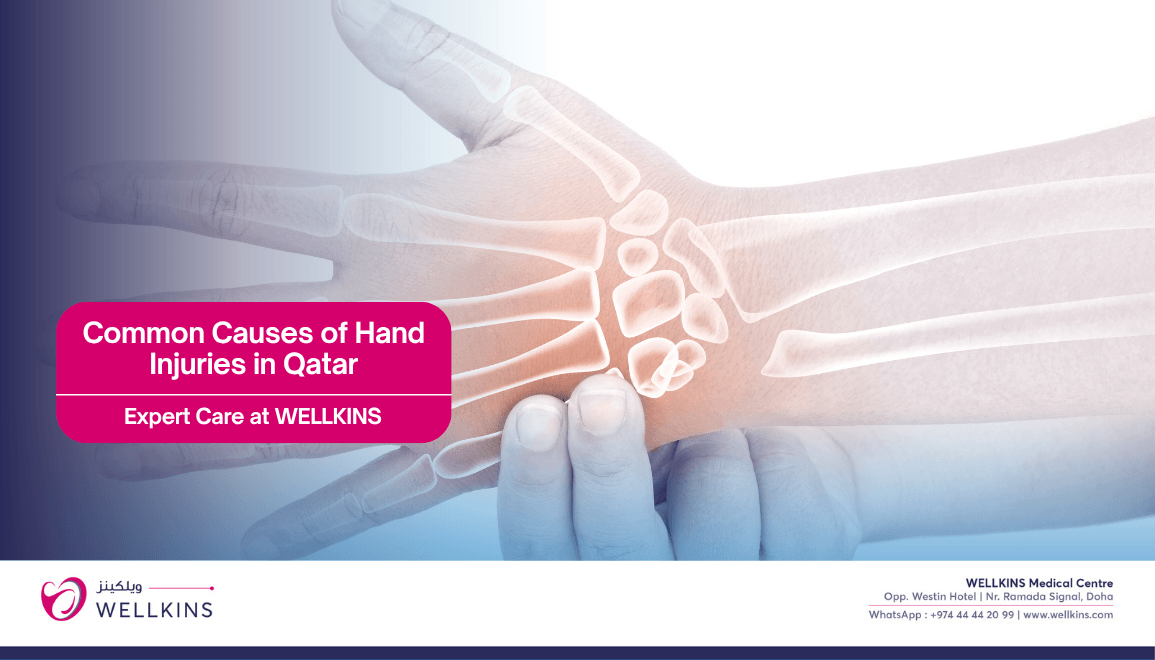
Hand injuries can occur due to various reasons spanning sudden trauma, repetitive strain, sporting activity and degenerative disease processes.
A. Trauma and Accidents
- Fractures and Dislocations: Falls, sports injuries or direct blows can break bones including metacarpal and phalangeal fractures. These are among the most common hand injuries seen in orthopedic practice and range from simple fractures that heal well with splinting to complex fractures involving joint surfaces that require surgical fixation.
- Crush Injuries: Industrial accidents, car doors closing on fingers or heavy object impacts can cause significant crush injuries that damage multiple structures simultaneously including bone, soft tissue, nerves and blood vessels. In Qatar’s active construction and industrial sectors, crush injuries represent a meaningful proportion of the hand trauma seen in clinic.
- Lacerations and Punctures: Cuts from knives, glass or machinery can damage skin, tendons, nerves and blood vessels depending on the depth and location of the wound. Even a seemingly small cut on the palm or finger can sever an underlying tendon or nerve, which is why all but the most superficial hand lacerations warrant clinical assessment.
B. Overuse and Repetitive Strain
- Tendinitis: Inflammation of the tendons including conditions such as De Quervain’s tenosynovitis, which affects the tendons on the thumb side of the wrist and is common in patients with repetitive gripping or lifting activities, including new parents who frequently lift infants in a particular wrist position.
- Carpal Tunnel Syndrome: Nerve compression resulting from repetitive hand movements, prolonged computer or keyboard use and certain occupational activities. This is increasingly common given the prevalence of desk-based work and extensive screen and device use in Qatar’s professional population.
C. Sports Injuries
- Jammed Fingers (Mallet Finger): Common in basketball or volleyball when a ball strikes the tip of an extended finger, forcefully bending it and rupturing the tendon that straightens the fingertip. This produces a characteristic drooping of the fingertip that requires prompt assessment and splinting.
- Skier’s Thumb: A tear of the ulnar collateral ligament at the base of the thumb, classically caused by falling while holding a ski pole but also seen in other sports involving a fall onto an outstretched hand gripping an object. This injury can cause significant long-term instability of the thumb if not properly diagnosed and treated.
D. Degenerative Conditions
- Osteoarthritis: Wear and tear damage to the hand joints, particularly common at the base of the thumb and in the small joints of the fingers, producing pain, stiffness and progressive joint changes over years.
- Rheumatoid Arthritis: An autoimmune disease causing chronic inflammation in the joints of the hand that can lead to progressive joint deformities if not appropriately managed with disease-modifying treatment alongside orthopedic monitoring.
2. Symptoms of Hand Injuries
Symptoms vary depending on the type and severity of the injury but commonly include the following.
- Pain and Swelling: Present in almost all hand injuries to varying degrees, from mild discomfort with overuse conditions to severe pain immediately following an acute fracture or crush injury.
- Bruising or Discoloration: Reflects bleeding within the soft tissues from a traumatic injury. The pattern and extent of bruising can provide useful clinical information about the structures involved.
- Difficulty Moving Fingers or Wrist: Reduced range of motion may result from pain inhibition, mechanical obstruction from a fracture or dislocation or direct damage to the tendons that control finger movement.
- Numbness or Tingling: Indicates possible nerve involvement and should never be dismissed. Nerve injuries require prompt assessment because the window for optimal surgical repair, where indicated, narrows over time.
- Visible Deformity: An obviously abnormal angle or shape of a finger or the hand is characteristic of fractures and dislocations and requires immediate assessment.
- Weakness in Grip: Reduced grip strength can reflect pain, tendon injury, nerve compression or joint instability and is often one of the most functionally significant symptoms patients report.
3. Diagnosis of Hand Injuries

Accurate diagnosis is crucial for effective treatment. At Wellkins Medical Centre the assessment of hand injuries follows a structured process designed to identify exactly which structures are involved.
A. Physical Examination
- Checking for Tenderness, Deformity, Range of Motion and Nerve Function: A systematic hand examination assesses each structure individually, testing the movement and sensation of each finger and identifying specific points of tenderness that localize the injury.
- Special Tests: Specific clinical tests help confirm particular diagnoses by reproducing the patient’s symptoms through targeted provocative movements.
B. Imaging Studies
- X-Rays: The first-line imaging investigation for any suspected hand injury, used to detect fractures, dislocations or arthritic changes within the small bones and joints of the hand.
- MRI or CT Scan: Used for soft tissue injuries including ligament and tendon damage that are not visible on plain X-ray, or for complex fractures requiring detailed three-dimensional assessment for surgical planning.
- Ultrasound: A useful tool to assess tendon movement dynamically and to evaluate nerve compression in conditions such as carpal tunnel syndrome.
C. Nerve Conduction Studies
- For Suspected Nerve Damage: Where carpal tunnel syndrome or another nerve compression condition is suspected, nerve conduction studies measure the speed and strength of electrical signals travelling along the nerve, confirming the diagnosis and indicating its severity to guide treatment decisions.
4. Potential Complications
If left untreated hand injuries can lead to a range of significant and sometimes permanent complications.
- Chronic Pain and Stiffness: Untreated or inadequately rehabilitated hand injuries frequently progress to long-term pain and reduced joint mobility that is considerably harder to address once established than the original injury would have been.
- Non-Union or Malunion of Fractures: A fracture that fails to heal properly, either not healing at all or healing in a poor position, can permanently affect hand alignment and function, sometimes requiring corrective surgery to address.
- Nerve Damage and Loss of Sensation: Untreated nerve injuries can result in permanent numbness, weakness or loss of fine motor control in the affected fingers.
- Infections: Particularly significant in open wounds where bacteria can enter deep into the hand’s tissue planes. Hand infections can spread rapidly along the tendon sheaths and require urgent treatment to prevent serious complications.
- Permanent Disability: Severe untreated injuries can result in lasting deformities including claw hand deformity, where the fingers become permanently curled due to nerve or tendon damage, significantly affecting the hand’s function for daily activities and work.
5. Prognosis and Recovery
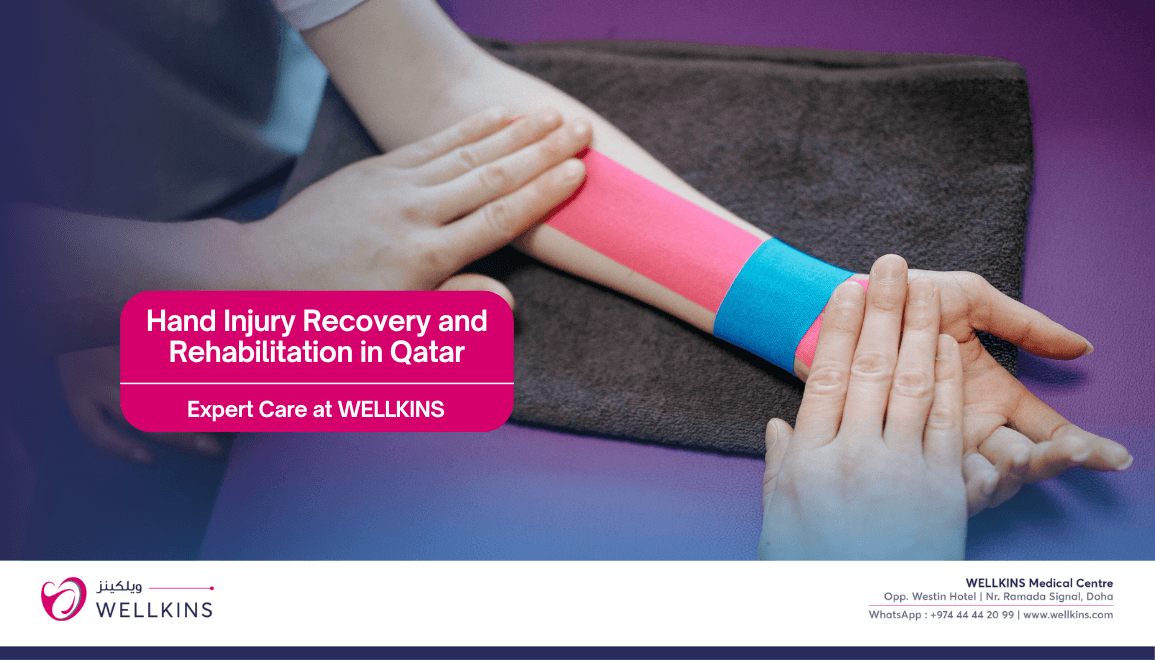
The prognosis for a hand injury depends on several key factors.
- Type and Severity of Injury: Minor sprains heal considerably faster than complex fractures or multi-structure injuries.
- Timely Treatment: Early intervention prevents the complications described above and consistently produces better functional outcomes than delayed assessment and management.
- Rehabilitation: Structured hand therapy following the acute treatment phase is essential for restoring full range of motion, strength and dexterity, particularly following fractures, tendon repairs or surgical intervention.
Recovery timelines vary considerably depending on the specific injury.
- Minor Injuries: Sprains and small cuts typically heal within weeks with rest and appropriate splinting.
- Fractures and Tendon Injuries: May require surgery including open reduction and internal fixation for fractures or direct tendon repair, followed by months of structured rehabilitation to restore full function.
- Nerve Injuries: Recovery varies significantly depending on the severity and location of the nerve damage. Some nerve injuries recover spontaneously over time while others require surgical repair and a longer and less predictable recovery course.
Prevention Tips
- Wear appropriate protective gear during sports and work, including gloves and hand protection in industrial and construction environments common across Qatar’s workforce.
- Avoid repetitive strain by using ergonomic tools and taking regular breaks during repetitive tasks, particularly relevant for the large proportion of Qatar’s professional population engaged in extensive computer and device use.
- Seek immediate medical attention for severe pain or swelling rather than waiting to see if symptoms resolve on their own.
Hand injuries should never be ignored, as even minor damage can lead to long-term dysfunction. If you experience persistent pain, weakness or deformity in your hand, consult an orthopedic specialist for proper evaluation and treatment.
Your hands carry out thousands of small tasks every single day without you ever thinking about it, until something goes wrong. Protecting them is one of the most practical investments you can make in your own independence and quality of life.
To book an appointment with Dr. Reneesh at Wellkins Medical Centre: https://wellkins.com/drreneesh
To know more about the Orthopedic services at Wellkins Medical Centre: https://wellkins.com/orthopedics