
Author: Dr. Joanne Mae J Villanueva, (Specialist Pediatrics – Wellkins Medical Centre)
Hearing your child cough through the night or watching them struggle to breathe through a blocked nose is one of the most universally stressful experiences of parenting. In Qatar, where nurseries and schools bring children into close contact and where the transition between hot outdoor air and heavily air-conditioned indoor spaces creates a near-constant respiratory challenge, coughs and colds are a year-round reality for most families rather than a purely seasonal concern.
The reassuring truth is that minor respiratory tract infections are incredibly common in young children and entirely normal. It is entirely expected for children under five to catch six to eight colds a year as their immune systems are still developing and building their repertoire of responses to the wide range of viruses circulating in shared environments.
Most of these viral infections run their course safely at home with little more than rest, fluids and comfort. However because children have significantly smaller airways and far less physical reserve than adults, respiratory illnesses can occasionally escalate quickly in ways that can catch parents off guard. Knowing what to look for makes the difference between confidence and panic when your child is unwell at 11 PM.
The single most important thing I can teach parents about pediatric respiratory illness is to watch the breathing not just the symptoms. A child with a mild fever and a runny nose who is breathing comfortably, drinking fluids and still smiling occasionally is almost certainly safe at home. A child with any visible signs of increased work of breathing, regardless of how mild their other symptoms are, needs to be seen. Children can deteriorate faster than adults and the breathing is always the most reliable early warning system we have.
People Also Ask
How do I know if my child’s cough is serious?
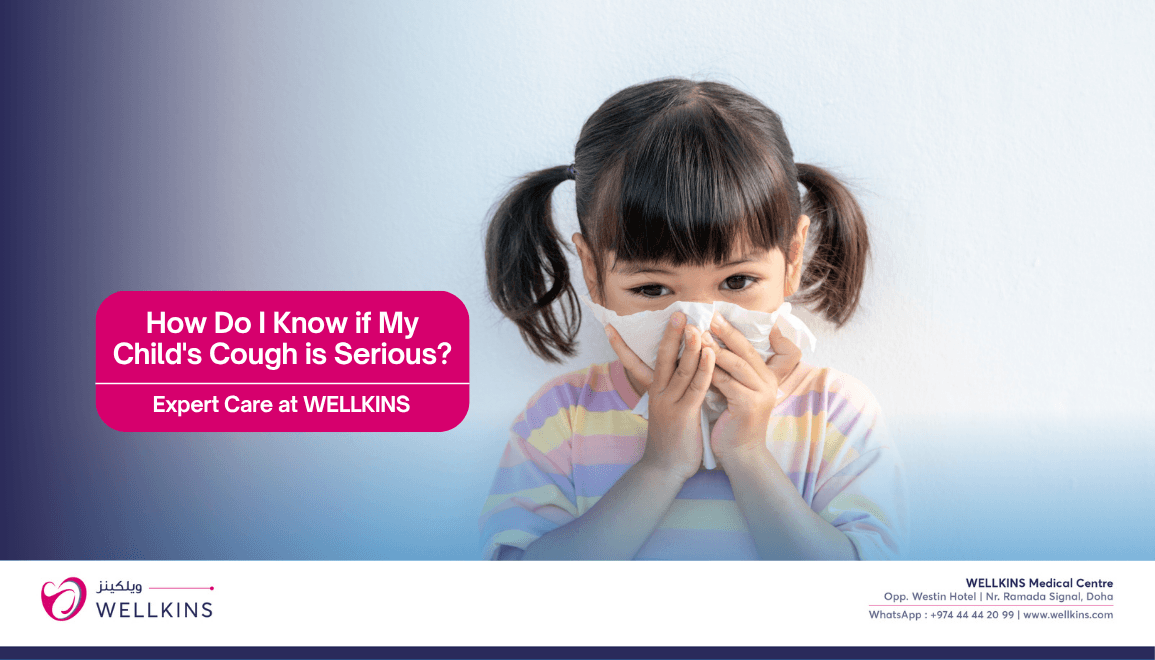
The character of the cough is often more important than its frequency. A barking cough that sounds like a seal is a hallmark of croup and requires medical assessment. A cough with violent rapid-fire episodes followed by a whooping gasp for breath may indicate whooping cough. Any cough accompanied by visible breathing difficulty including skin pulling in around the ribs, nostrils flaring with each breath or breathing that is significantly faster than normal requires urgent evaluation regardless of how mild other symptoms appear.
How long should a cold last in a child before I see a doctor?
A typical viral cold in a child builds over one to two days, peaks between days three and five and resolves fully within seven to fourteen days. A mild dry cough can linger for up to three weeks as the airways clear. If a fever persists beyond three consecutive days, if symptoms worsen significantly after initially improving or if new symptoms develop such as ear pain or a high persistent temperature returning after a clear period, a pediatrician review is warranted.
What is the difference between a cold and RSV or pneumonia in children?
A standard cold produces a runny nose, mild cough, sore throat and a low-grade fever that follows a predictable pattern and resolves within two weeks. RSV, pneumonia and other lower respiratory tract infections tend to produce more significant breathing difficulty, higher and more persistent fevers, greater lethargy and a child who appears genuinely unwell rather than just uncomfortable. The key differentiating sign is always the breathing. Any visible increased work of breathing moves a child out of the ordinary cold category and into one requiring clinical assessment.
Should I give my child antibiotics for a cough and cold?
No, and this is important. The overwhelming majority of childhood coughs and colds are caused by viruses and antibiotics have no effect on viral infections. Giving antibiotics unnecessarily contributes to antibiotic resistance and exposes children to side effects without any benefit. If your child’s clinician prescribes antibiotics it means they have identified a specific bacterial complication such as an ear infection, strep throat or pneumonia that genuinely requires them. Never use leftover antibiotics from a previous illness for a new one without medical guidance.
The Baseline: A Typical Pediatric Cold
Understanding what a normal cold looks like gives parents a reliable reference point against which to measure anything that feels different or concerning. A normal viral upper respiratory infection in a child follows a fairly predictable pattern.
- Gradual Onset: Symptoms typically build over one to two days rather than appearing suddenly at full intensity. A sudden severe onset is itself a deviation from the expected pattern worth noting.
- Symptom Peak: Symptoms reach their worst between days three and five of the illness. This is often the period when parents feel most worried because the child seems to be getting worse rather than better. In a standard viral cold this is expected and normal.
- The Normal Symptom Pattern: A clear or coloured runny nose, a mild cough, a sore throat and a low-grade fever in the early days are the expected features of a viral upper respiratory infection. Coloured nasal discharge does not automatically indicate a bacterial infection requiring antibiotics.
- Total Duration: The entire illness generally resolves within seven to fourteen days. A mild dry cough can sometimes linger for up to three weeks after the acute illness as the airway lining recovers and clears residual irritation. This is normal and does not indicate ongoing infection.
- What Supports Recovery at Home: Adequate fluid intake to prevent dehydration, age-appropriate fever medication when the child is distressed, rest and the kind of close comfortable parental presence that is genuinely therapeutic for an unwell child. There are no over-the-counter cough and cold preparations that are recommended for children under six and most provide no measurable benefit while carrying real side effect risks in young children.
Red Flags: When It Is More Than a Cold
While most colds are manageable at home, certain warning signs suggest your child may be dealing with something more complex including RSV, croup, whooping cough, influenza or pneumonia. These conditions require clinical assessment and in some cases urgent intervention. The following four categories of red flag symptoms are the ones every parent in Qatar should know and be able to recognize.
1. Signs of Increased Work of Breathing
This is the single most critical indicator of respiratory distress in pediatric patients and it takes absolute priority over every other symptom assessment. When a child’s lungs are struggling to pull in enough oxygen the body recruits its secondary respiratory muscles to assist. These efforts are visible to any observant parent and they should never be ignored.
- Retractions: The skin pulling in tightly between the ribs, below the rib cage or at the base of the neck with each breath in. This visible drawing-in of the soft tissues around the chest happens because the child is working hard to generate the negative pressure needed to move air into lungs that are partially obstructed or compromised. Any degree of retraction in a child warrants immediate medical review.
- Nasal Flaring: The nostrils widening significantly with each breath is a sign that the child is maximizing their airway diameter to try to move more air. It is a subtle but important early indicator of respiratory effort that often precedes more obvious signs of distress.
- Tachypnoea: Breathing significantly faster than normal for the child’s age. The most reliable way to assess this is to count the breathing rate while the child is calm or asleep rather than when they are crying or agitated. More than sixty breaths per minute in an infant under two months of age is a major warning sign. More than forty breaths per minute in a toddler is equally concerning. These thresholds indicate that the respiratory system is under significant stress.
- Grunting or Audible Effort: A soft grunting sound with each exhalation indicates the child is instinctively performing a manoeuvre to maintain pressure in the airways and keep them open. This is always a sign of significant respiratory compromise requiring urgent assessment.
2. A Distinctive or Strange-Sounding Cough
Not all coughs are clinically equivalent. The specific sound of a child’s cough carries important diagnostic information that parents are often the first to detect. Describing the cough accurately when speaking to a clinician is enormously helpful.
- The Barking Cough: A tight resonant cough that sounds strikingly like a barking seal is the classic presentation of croup, an inflammatory condition affecting the upper airway and the area around the vocal cords. It is often accompanied by stridor, a high-pitched squeaking sound audible when the child breathes in. Croup is most common in children between six months and three years and tends to worsen at night. Mild croup can often be managed at home with cool night air and calm reassurance but moderate to severe croup requires medical assessment and treatment.
- The Whooping or Paroxysmal Cough: Violent rapid uncontrollable coughing fits during which the child cannot draw breath, followed by a desperate deep gasp inward that produces the characteristic whooping sound, can indicate pertussis, commonly called whooping cough. This is a serious bacterial infection and is most dangerous in infants under one year of age. Vaccination provides significant protection and keeping immunizations up to date is the most effective preventive measure available.
- A Wet or Rattling Cough With Fever: A productive-sounding cough accompanied by a persistent high fever, significant lethargy and reduced appetite may suggest a lower respiratory tract infection including bronchiolitis or pneumonia. This combination warrants clinical assessment rather than home management.
3. Dehydration and Lethargy
Sometimes the most important clinical information during a respiratory illness is not the cough or the congestion itself but how the illness is affecting the child’s overall state.
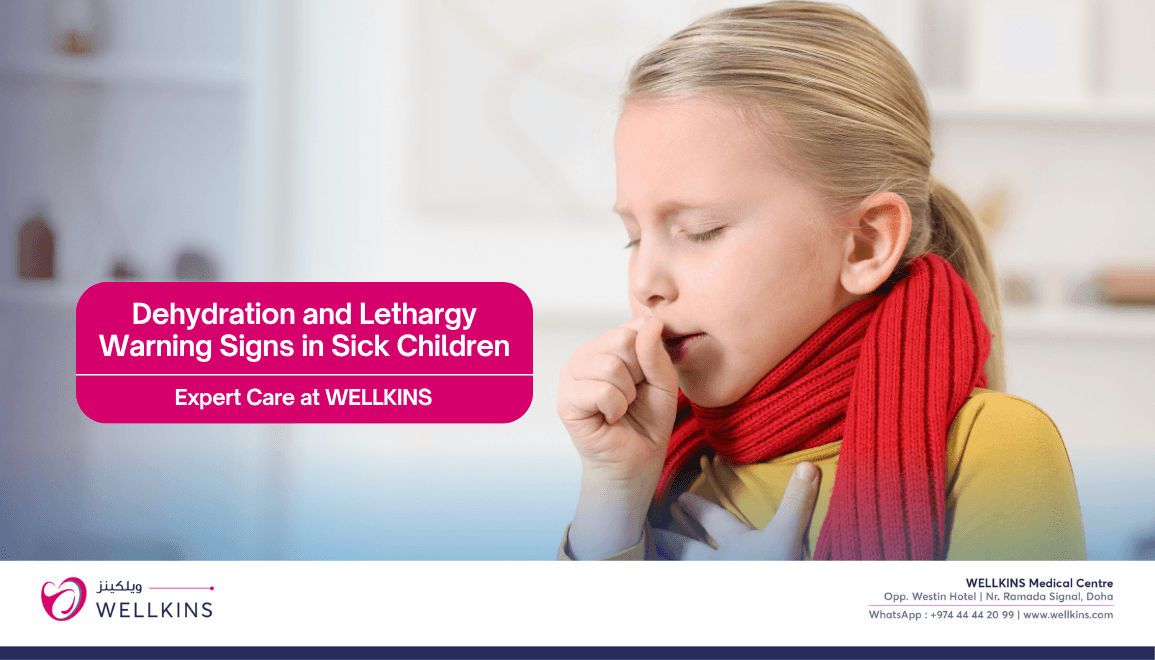
- Signs of Dehydration: A sore throat, mouth breathing from severe nasal congestion and the increased fluid losses from fever can all interfere with a child’s ability and willingness to drink. Watch for significantly fewer wet nappies than usual, specifically fewer than four in a twenty-four hour period, a dry mouth, no tears when crying and in older children reduced or absent urination. A dehydrated child requires clinical assessment and may need oral rehydration therapy or in severe cases intravenous fluids.
- True Lethargy: It is normal for an unwell child to be quieter and more tired than usual. True clinical lethargy is different in character and degree. It is when a child is unusually floppy, extremely difficult to rouse from sleep, cannot sustain wakefulness when awake, fails to respond to familiar voices or faces and shows none of their normal reactivity even after their fever has been treated with appropriate medication. True lethargy alongside a respiratory illness always requires emergency assessment without delay.
- Refusal of All Fluids: Even before obvious dehydration signs are present, a child who is completely refusing all fluids for more than six to eight hours warrants a call to your pediatrician for guidance on whether to bring them in.
4. High or Persistent Fever
Fever and its significance in the context of a respiratory illness depend very significantly on the child’s age and the pattern of the fever over time.
- The Infant Rule: Any infant under three months of age with a rectal temperature of 38 degrees Celsius or 100.4 degrees Fahrenheit or higher requires immediate medical evaluation without exception regardless of how mild their other cold symptoms may appear. Newborn immune systems cannot compartmentalize infections and a fever in this age group may be the only visible sign of a serious underlying infection.
- High Fever in Older Children: For children over three months, a fever that spikes above 38.9 degrees Celsius or 102 degrees Fahrenheit and persists for more than three consecutive days requires a pediatrician review. The concern at this point is that a secondary bacterial infection, most commonly an ear infection, strep throat or pneumonia, has developed alongside or following the initial viral illness.
- The Returning Fever: A fever that improves or resolves for a day or two and then returns higher and worse than before is a particularly important warning pattern. This often indicates that a bacterial complication has developed after the initial viral phase and requires clinical assessment to identify and treat the specific secondary infection.
When to Call Your Pediatrician
Never hesitate to trust your parental instincts. If your gut tells you that your child is acting entirely unlike themselves, that something feels genuinely wrong beyond the ordinary discomfort of a cold, act on that feeling and call your pediatrician.
Seek emergency care immediately if your child shows:
- Any visible signs of increased work of breathing including retractions, nasal flaring or a breathing rate significantly above normal for their age.
- A barking or whooping cough of the types described above, particularly if accompanied by stridor or severe distress between coughing fits.
- True lethargy, meaning they cannot be roused normally or fail to respond to your voice even with fever managed.
- Any fever in an infant under three months of age.
- Signs of significant dehydration including no tears when crying, dry mouth and markedly reduced wet nappies.
Book a routine appointment at Wellkins Medical Centre if:
- A fever has persisted for more than three consecutive days in a child over three months.
- Symptoms appeared to improve and then worsened again, particularly with a returning fever.
- Your child has a cough that has lasted more than three weeks without resolution.
- You have any concern about your child’s breathing, feeding or overall level of alertness during an illness even if they do not meet the emergency criteria above.
Catching pediatric respiratory complications early is the most effective way to ensure a quick and safe recovery. The vast majority of childhood coughs and colds are benign and self-limiting. But a parent who knows what to look for is always the first and most important line of assessment for any child.
To book an appointment with Dr. Joanne Mae J Villanueva at Wellkins Medical Centre: https://wellkins.com/drjoanne
To know more about the Pediatric services at Wellkins Medical Centre: https://wellkins.com/pediatrics