
Author: Hafisa Hassankutty (Clinical Psychologist – WELLKINS Medical Centre)
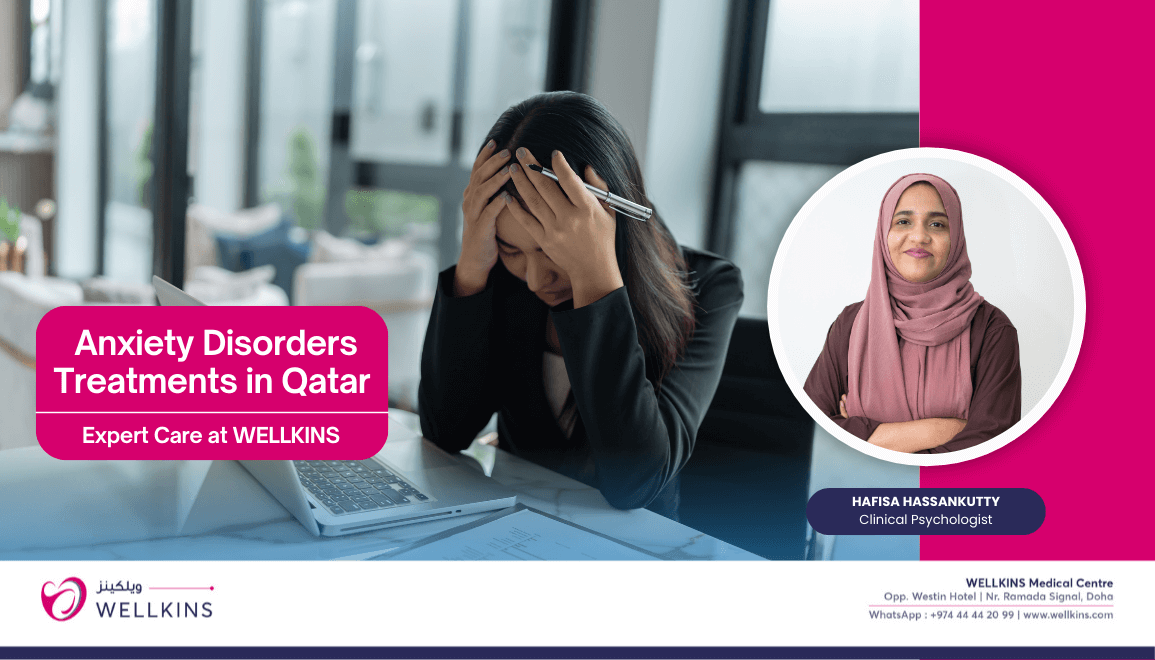
Anxiety is a natural, fundamental part of life. Everyone feels anxious before a significant event, such as an exam, a job interview, a public presentation, or an important negotiation. In fact, a healthy, manageable level of anxiety is often helpful it acts as an internal motivator, prompting us to prepare adequately, stay alert, focus our energy and complete tasks efficiently and on time.
But when this natural alarm system becomes excessive, persistent, difficult to control and disproportionate to the actual threat, it may signal the presence of a clinical anxiety disorder, a condition which necessitates professional evaluation and targeted support. At Wellkins Medical Centre, our clinical psychologists specialize in diagnosing and treating these conditions to restore balance.
“It is essential that patients presenting with symptoms like persistent excessive worry, physical restlessness or tension, sleep disturbance (insomnia) and difficulty concentrating be evaluated for a potential Anxiety Disorder. This is a valid medical condition requiring targeted psychological interventions primarily Cognitive Behavioral Therapy (CBT) or other evidence-based modalities to effectively manage the underlying dysregulation of fear circuits and cognitive biases. Medication, prescribed by a physician, may also be a necessary component of complete management.”
What Is an anxiety disorder?
An anxiety disorder occurs when normal worry or fear transforms into a chronic state where the distress becomes pervasive and debilitating. Worry is no longer a helpful tool; it becomes the dominant internal experience.
Anxiety is considered a disorder when the worry or fear becomes:
- Intense: The emotional reaction is extreme and overwhelming.
- Constant or recurring: The feeling is persistent and not tied to a single, fleeting event.
- Disproportionate to the situation: The level of fear far exceeds the realistic likelihood or severity of the perceived threat.
- Interfering with daily life: The distress actively prevents the person from engaging in essential activities (work, social life, school, self-care).
Unlike normal anxiety, which is temporary and strictly situation based, an anxiety disorder is chronic and significantly affects emotions, thoughts, behavior and even physical health, creating a state of chronic physiological arousal.
Normal Anxiety vs. Anxiety Disorder
Distinguishing between a natural response and a clinical condition is the first step toward seeking appropriate help.
Normal Anxiety
Trigger: Linked to a real, specific, identifiable situation (exams, deadlines, presentations).
Duration: Temporary; the emotional reaction subsides quickly once the event is over or the deadline passes.
Impact: Motivates preparation and improves performance (eustress).
Control: Manageable; the individual can typically cope with and regain control over the feeling.
Anxiety disorder
Trigger: Appears without clear or immediate external triggers, often Generalized or free floating.
Duration: Persistent, chronic, and enduring; lasting weeks to months and is difficult to turn of
Impact: Causes avoidance, severe distress, or functional impairment across major life domains.
Control: Difficult to control; the person feels overwhelmed by the cycle of worry.
Key difference: Normal anxiety temporarily helps you function by sharpening focus; a clinical anxiety disorder actively starts affecting your ability to function and thrive.
Symptoms of Anxiety Disorders
Anxiety is experienced through a complex interplay of mind and body, showing up as both emotional and physical distress.
1.Emotional Symptoms
These involve the psychological experience of fear and worry:
- Excessive worry that is difficult to stop or control, often jumping from one topic to the next.
- Restlessness or feeling constantly keyed up and unable to relax.
- Feeling on edge or hyper vigilant, scanning the environment for potential threats.
- Difficulty concentrating on tasks because the mind is preoccupied with worry.
- Irritability or short temper due to the internal pressure of constant vigilance.
- Constant fear or anticipation of worst-case scenarios even when evidence suggests otherwise.
- Sense of impending doom that is unwarranted by the current reality.
2. Physical Symptoms
These are the body’s fight-or-flight response stuck in the “on” position:
- Rapid heartbeat (palpitations) or a pounding sensation in the chest.
- Sweating, particularly the palms or cold sweats.
- Trembling or feeling shaky and unsteady.
- Chest tightness or discomfort, often mistaken for a heart problem.
- Shortness of breath or the sensation of smothering or hyperventilating.
- Headaches or chronic muscle tension (especially in the neck and shoulders).
- Stomach discomfort (nausea, irritable bowel symptoms, butterflies).
- Sleep difficulties (trouble falling or staying asleep due to racing thoughts).
- Fatigue or exhaustion resulting from constant physical and mental vigilance.
When these symptoms persist almost daily for two weeks or more and actively affect your daily routine, academic performance, or relationships, a professional psychological evaluation strongly recommended.
Types of Anxiety Disorders
Anxiety disorders are not monolithic; they appear in different, specific forms based on the focus and context of the fear; all sharing the core feature of excessive fear or worry.
1. Generalized Anxiety Disorder (GAD)
Characterized by persistent, excessive worry about various common aspects of life, such as health, finances, work, family and future events, often feeling like chronic background noise that the person cannot turn off.
2. panic disorder
Involves sudden, recurrent episodes of intense fear (panic attacks) that peak within minutes and include debilitating physical symptoms like chest pain, dizziness and feeling detached from reality, often leading to a fear of having more attacks.
3. Phobias
Marked by an intense, irrational fear of specific objects or situations (e.g., heights, spiders, flying, needles). The fear is out of proportion to the actual danger and the individual goes to great lengths to avoid the trigger.
4. Social Anxiety Disorder (Social Phobia)
Defined by the fear of being judged, embarrassed, or negatively evaluated in social situations. This often leads to avoidance of public speaking, group meetings, or even eating in front of others.
5. Obsessive–Compulsive Disorder (OCD)
Involves unwanted, intrusive and distressing thoughts (obsessions) and repetitive, ritualistic behaviors performed to reduce the anxiety caused by the thoughts (compulsions). (Note: OCD is now categorized separately but shares strong links with anxiety).
6. Illness Anxiety / Hypochondriasis
Characterized by excessive preoccupation and worry about having or developing a serious, specific illness, often despite medical reassurance, leading to frequent visits to the doctor or constantly checking one’s body for symptoms.
7. Separation Anxiety (in children and adults)
An unhealthy, excessive fear or worry about being away from attachment figures or home, often resulting in distress when facing separation.
How Anxiety Disorders Are Treated
The effective treatment of anxiety disorders is highly personalized and depends on the specific type, severity and overall pattern of symptoms. A combination of medication, specific psychotherapy (like CBT) and personalized lifestyle strategies is often found to be the most complete and effective approach for long-term recovery.
1. Medication: Short-Term Relief
Medications, such as certain anti anxiety drugs (anxiolytics) or antidepressants, can be prescribed by a physician or psychiatrist to provide quick relief by directly reducing severe physical symptoms such as:
- Rapid heartbeat and physical tension.
- Restlessness and chronic hyperarousal.
- Acute panic-like sensations during a crisis.
However, it is crucial to understand:
- Medication primarily provides temporary symptom relief and manages the physiological response.
- It does not address the root psychological cause or teach the patient new coping skills.
- Symptoms often return or rebound once the medication effect fades or the patient stops taking it.
Medication can be a necessary and highly helpful bridge, especially during acute, debilitating phases, but it is not a sufficient long-term solution on its own.
2. CBT & Psychotherapy: Long-Term Solutions
Psychotherapy is the foundation of long-term anxiety management, teaching the brain and body to respond differently to fear.
1. Cognitive Behavioral Therapy (CBT): CBT is one of the most effective, research backed treatments for anxiety. It helps individuals systematically:
- Identify negative thought patterns (e.g., catastrophizing).
- Challenge unrealistic fears and the evidence supporting them. Replace them with balanced, realistic thoughts and interpretations.
- Learn practical coping strategies for managing physical symptoms in the moment.
CBT successfully reduces both emotional distress and chronic physical symptoms over time by changing the underlying mental programming.
2. Relaxation Techniques: These methods are vital for immediate relief, helping to calm the body’s nervous system and regulate the chronic stress response:
- Deep diaphragmatic breathing to lower heart rate.
- Progressive muscle relaxation to release physical tension.
- Grounding exercises to reconnect with the present moment during high anxiety.
- Mindfulness practices to observe internal states without judgment.
These techniques reduce physical arousal and significantly improve emotional control.
3. Exposure Therapy (when clinically appropriate): Primarily used for phobias, OCD and severe social anxiety, this therapy helps reduce fear by gradually and systematically facing anxiety provoking situations or objects in a safe, structured environment, allowing the brain to learn that the perceived threat is not dangerous.
4. Mindfulness-Based Psychotherapy: This approach helps individuals develop the skill to become aware of anxious thoughts and feelings without immediately getting overwhelmed or carried away by them, creating psychological distance from the worry.
Final Thoughts
Anxiety disorders are common, medically recognized and highly treatable. They affect millions of people globally and are rooted in neurobiology, environment and psychology.
While medication can provide crucial short-term relief, CBT and targeted psychotherapy provide the necessary long-term improvement by teaching the patient essential skills and addressing the underlying thought and behavioral patterns that sustain the disorder.
If anxiety is persistently affecting your life, relationships, studies, or work preventing you from enjoying activities or reaching your potential seeking support is a sign of strength, not weakness. At wellkins Medical Centre, we can help you with the right combination of professional treatment and personal commitment to regain control, effectively reduce symptoms and restore emotional balance.
Read more: https://wellkins.com/mentalhealth
Disclaimer: This blog is for informational purposes only and should not replace professional medical advice.