

Author: Dr. Cryscel Anne S Ramos (Specialist – Internal Medicine Wellkins Medical Centre)
Your kidneys are silent, hard-working heroes, filtering waste and excess fluid from your blood 24 hours a day. However, high blood sugar a hallmark of uncontrolled diabetes is the number one cause of damage to these vital organs, leading to a condition called diabetic nephropathy (kidney disease). At Wellkins Medical Centre, we emphasize a simple, powerful truth: Sugar Control equals to Kidney Protection. Understanding this direct link is the key to preserving your kidney function and securing your long-term health.
“Effective protection against diabetic kidney disease (nephropathy) relies on more than just the medication; it requires addressing multiple factors, from achieving and maintaining optimal HbA1c and blood pressure targets and adhering to a kidney-friendly diet, to promoting consistent lifestyle interventions like regular physical activity and weight management, ensuring meticulous monitoring through annual eGFR and ACR testing among all at-risk patients throughout their journey with diabetes.”
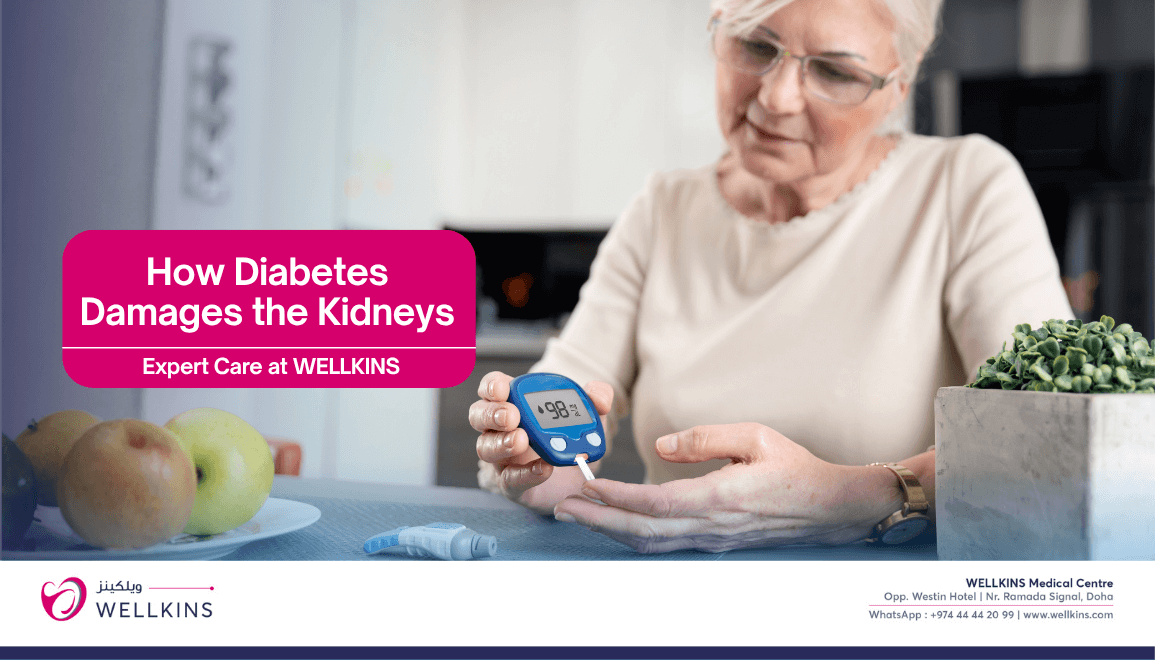
The Silent Threat: How Diabetes Damages the Kidneys
Diabetes, particularly Type 2, harms the kidneys through a destructive, continuous cycle:
Damage to Filtration Units (Glomeruli): The kidneys contain millions of tiny blood vessels and filters called glomeruli. When blood sugar levels are chronically high, the excess sugar binds to proteins, making the blood thicker and forcing the kidneys to work overtime.
Hyperfiltration: This increased workload forces the glomeruli to filter too much blood, too quickly (hyperfiltration). Over time, this stress physically damages the delicate filtration membranes.
Protein Leakage (Albuminuria): As the filters are damaged, they start allowing useful proteins like albumin to leak from the blood into the urine. This leakage is often the first measurable sign of kidney damage.
Scarring and Failure: The continuous damage leads to scarring (fibrosis), which reduces the kidneys’ ability to filter waste effectively. This ultimately progresses to chronic kidney disease (CKD) and, potentially, the need for dialysis or a transplant.
Crucially, this damage is often silent. You typically won’t feel pain or noticeable symptoms until kidney function has dropped significantly, highlighting the need for vigilance.
Key Strategies for Maximizing Kidney Protection
If you have diabetes, protecting your kidneys is a primary goal of your treatment plan. It involves more than just monitoring your blood sugar; it requires a complete approach.
1. Achieve Tight Glycemic Control (Blood Sugar)
This is the single most effective step.
A1C Targets: Work with your doctor to achieve and maintain an HbA1c (a three month average of blood sugar) close to the target of 7% or less for most adults. Every percentage point below a high A1c significantly reduces kidney risk.
Consistency: Consistent blood sugar management, avoiding extreme highs and lows, protects the fragile blood vessels from repeated stress.
2. Manage Blood Pressure (Hypertension)
High blood pressure often co-exists with diabetes and accelerates kidney damage by further stressing the renal blood vessels.
Target Pressure: The general target for people with diabetes is often below 130/80 mmHg.
The Right Medication: Medications are often prescribed because they not only lower blood pressure but also provide a direct protective effect on the kidney filters by reducing internal pressure.
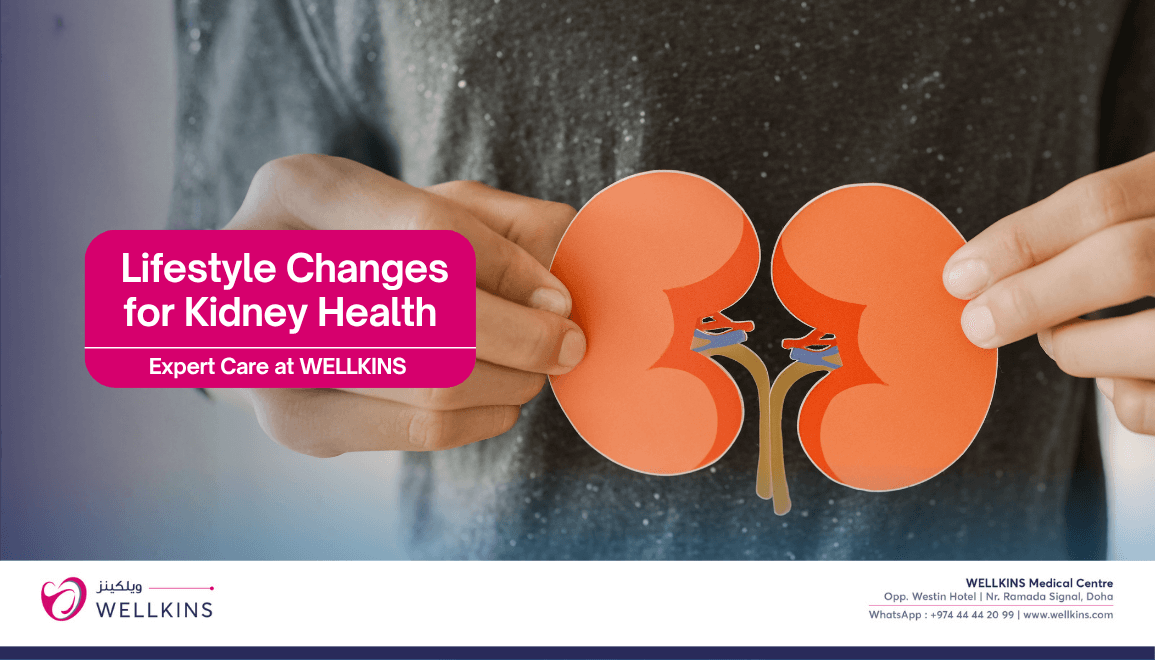
3. Implement Renal-Protective Lifestyle Changes
Lifestyle adjustments bolster the effects of medication and glucose control.
Dietary Adjustments: Reduce sodium (salt) intake to help control blood pressure. Depending on the stage of CKD, your doctor or dietitian may also recommend limiting protein and phosphorus.
Hydration: Drink enough water, but check with your doctor, as fluid restriction may be necessary in advanced stages of CKD.
Avoid Kidney Toxins: Limit or strictly avoid non-steroidal anti inflammatory drugs (NSAIDs) which can harm the kidneys, especially if your kidney function is already compromised.
Monitoring is Key to prevention
Since kidney damage is silent in its early stages, regular screening is paramount. At Wellkins Medical Centre, we use simple, crucial tests to monitor your kidney health:
Urine Albumin-to-Creatinine Ratio (UACR): This measures the amount of albumin (protein) leaking into your urine. Finding albumin is the earliest indicator of diabetic nephropathy.
Glomerular Filtration Rate (GFR): This is calculated from a simple blood test (creatinine) and tells us how well your kidneys are filtering waste. A falling GFR indicates declining kidney function.
If you have diabetes, these tests should be performed at least once a year, or more frequently if damage has been detected.

The journey to kidney protection is continuous, but the payoff is immense: a sustained, high quality of life. The greatest protection against kidney failure is consistency in managing your blood sugar and blood pressure. At Wellkins Medical Centre, we are here to create an inclusive, individualized plan for you, utilizing the latest diagnostics and medications to ensure your kidneys remain healthy. Prioritizing your sugar control today secures your future from kidney damages.
To book an appointment at Wellkins Medical Centre: https://wellkins.com/visit