
Author: Dr. Ambily Mathew (General Dentist – Wellkins Medical Centre)
Did you know that the health of your gums could be directly impacting the health of your heart? Many patients are shocked to learn that what starts as gum inflammation can become a systemic health issue.
At Wellkins Medical Centre, we believe that a healthy mouth is the gateway to a healthy body. It may seem surprising, but years of medical research have confirmed a critical, two-way connection between your oral health and your cardiac wellness. This connection underscores the importance of viewing dental care not just as cosmetic maintenance, but as an essential part of your primary healthcare.
Here is what you need to know about this vital connection and how taking care of your teeth protects your heart.
“The connection between your oral health and heart health is more significant than many realize. Poor oral hygiene, particularly chronic gum disease (periodontitis), can lead to inflammation and bacterial infections in the mouth. These bacteria can then enter the bloodstream, potentially contributing to inflammation throughout the body, including in the arteries. This systemic inflammation is a known risk factor for the development and progression of cardiovascular diseases such like atherosclerosis (hardening of the arteries), heart attack, and stroke. Therefore, maintaining good oral hygiene isn’t just about preventing cavities; it’s a vital component of a complete strategy for protecting your overall cardiovascular wellness.”
Gum Disease and Systemic Inflammation
The primary and most dangerous connection between your mouth and your heart is inflammation. The mouth is a major entry point for bacteria, and when it is chronically infected, the effects are felt throughout the body.
1. The Threat: Periodontal (Gum) Disease
Periodontal disease, or gum disease, starts with plaque a sticky film of bacteria that forms on your teeth. If not removed through regular brushing and flossing, this plaque hardens into tartar. This leads to:
Gingivitis: The mildest form, causing red, swollen gums that bleed easily. If caught early, gingivitis is completely reversible with consistent hygiene.
Periodontitis: The advanced stage, where gums pull away from the tooth, creating pockets. These deep pockets fill with toxic bacteria, leading to the destruction of the bone and tissue that support your teeth. This loss of supporting structure is permanent and can ultimately lead to tooth loss.
2. The Link to the Heart: Systemic Inflammation
The chronic inflammation in your mouth doesn’t stay confined to your gums. When your gums are infected and bleeding, the harmful bacteria (and the powerful inflammatory chemicals they produce, like C reactive protein) can enter your bloodstream. Bleeding gums act as a direct pathway, allowing oral bacteria to bypass the body’s natural defenses.
Once in the bloodstream, these bacteria and inflammatory agents can:
Worsen Atherosclerosis: They can attach to existing fatty plaques in the blood vessels, worsening atherosclerosis (hardening of the arteries). The oral bacteria essentially “hijack” the plaque formation process, making arterial walls stickier and thicker.
Increase Risk of Clots: They may trigger inflammation and swelling in the arteries, which can destabilize plaque and increase the risk of dangerous blood clots. This, in turn, raises the risk of life-threatening events like a heart attack and stroke.
In short, the sustained, low-grade inflammation from gum disease acts as a continuous stressor on your cardiovascular system, silently damaging your blood vessels over time.
Chronic Conditions Linked to Poor Oral Health
Research has strongly indicated that people with moderate to advanced gum disease are at a significantly higher risk of developing or worsening several serious health conditions, moving dental care into the realm of preventive medicine:
Heart Disease: Including coronary artery disease, heart failure, and myocardial infarction (heart attacks). Studies show that treating severe gum disease can lead to a measurable reduction in systemic inflammation markers, benefiting the heart.
Stroke: Caused by blood clots or plaque breaking off and traveling to the brain. The same inflammatory pathways that damage coronary arteries can impact carotid arteries leading to the brain.
Infective Endocarditis: A rare but serious infection of the inner lining of the heart (endocardium) or heart valves. This is a particular risk for individuals with pre existing heart valve problems, who often require antibiotics before dental procedures to prevent this serious complication.
Diabetes: The relationship is a profound two-way street: chronic gum infection makes it harder for the body to utilize insulin and control blood sugar, and poorly controlled blood sugar significantly weakens the immune response, making gum disease much worse. Effective periodontal treatment often helps diabetics achieve better glycemic control.
Protecting Your Heart Starts with Your Smile
The great news is that you have the power to break this destructive cycle! Maintaining excellent oral hygiene is one of the easiest and most cost effective ways to reduce your overall cardiovascular risk and promote systemic wellness.
Simple Steps to Protect Your Health:
Brush Twice Daily: Use a soft bristled brush and fluoride toothpaste for two full minutes, covering all surfaces of your teeth. Consider using an electric toothbrush, which clinical studies show is more effective at removing plaque than a manual brush.
Floss Daily: Flossing removes plaque and bacteria from between your teeth and under the gum line where your toothbrush simply can’t reach. Skipping this step leaves up to 40% of the tooth surface uncleaned.
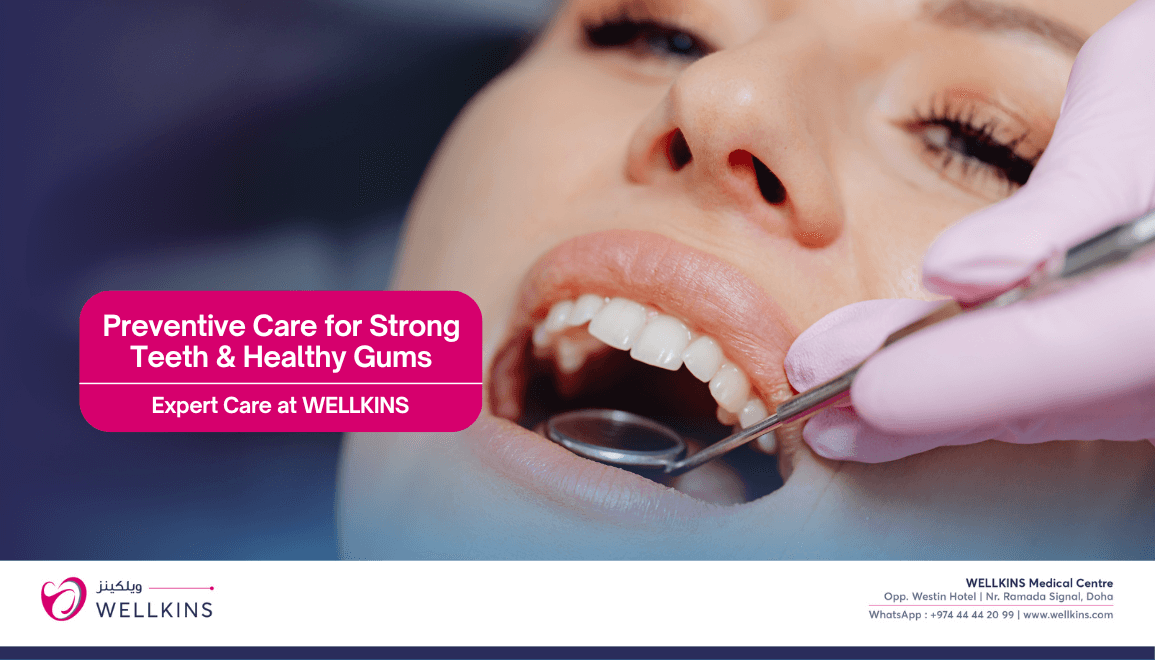
Regular Professional Cleaning (Scaling): Plaque that hardens into calcified tartar can only be removed by a dental professional during a scaling procedure to stop disease progression before it affects the bone.
Quit Smoking: Smoking is one of the most significant modifiable risk factors for gum disease, as it dramatically weakens your immune system’s ability to fight infection and impairs healing. Quitting can immediately begin to improve the health of your gums and your heart.
Be Aware of Symptoms: If you notice red, swollen, or bleeding gums, persistent bad breath, or teeth that feel loose, schedule an appointment immediately. Don’t ignore subtle signs, as early detection is key to a fast and complete recovery.
At Wellkins Medical Centre, our dental and general medicine teams collaborate closely to provide you with truly integrated health care. We understand the systemic impact of oral infection. If you have a known heart condition, high blood pressure, or a family history of cardiovascular issues, please inform our dental team so we can tailor your hygiene and treatment plan to minimize any infection and inflammation risks. We consider your medical history a crucial part of your dental assessment. Don’t wait for a serious diagnosis to prioritize your oral health. Protect your heart by proactively caring for your smile.
To book an appointment at Wellkins Medical Centre: https://wellkins.com/visit