
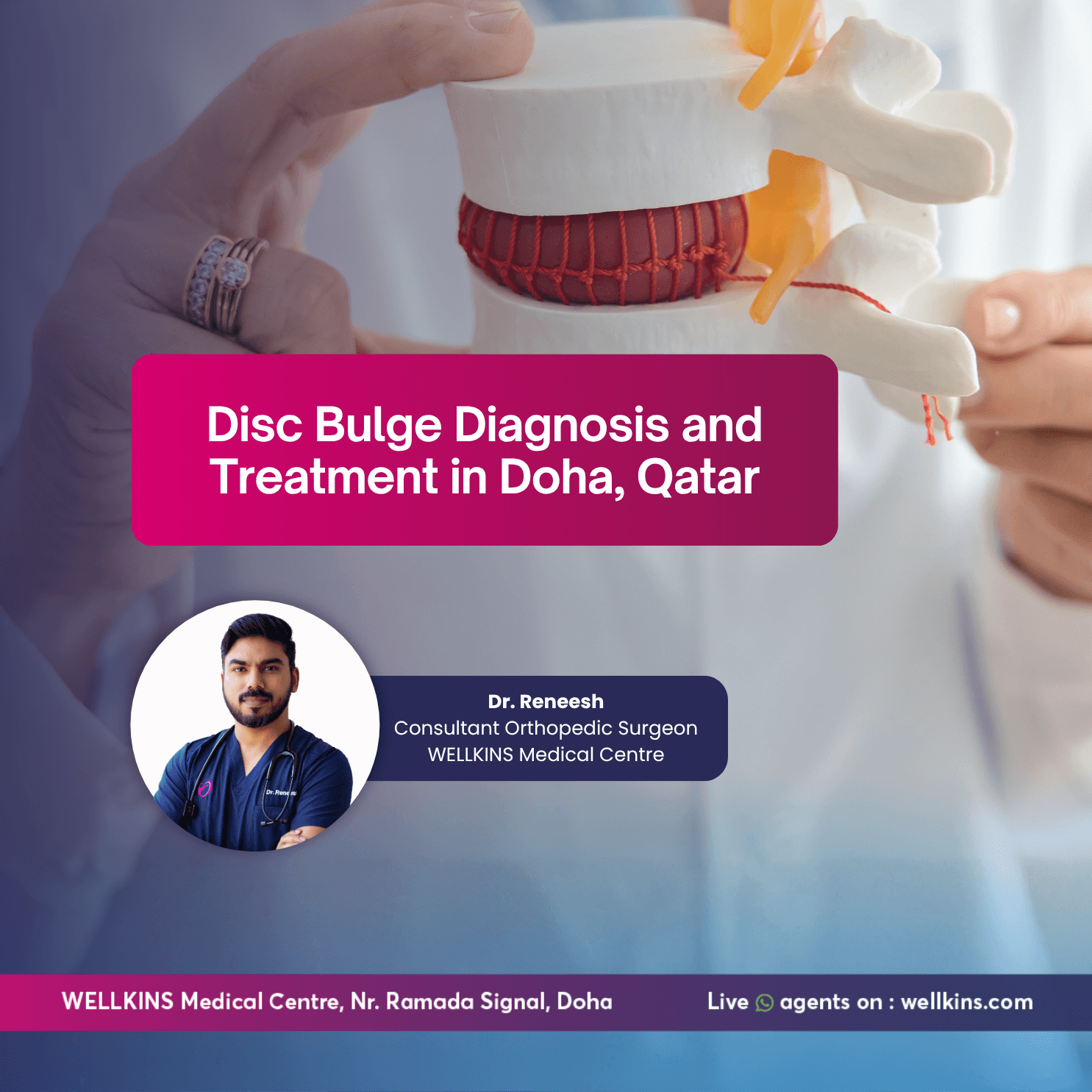
Author: Dr. Reneesh, (Consultant Orthopedic Surgeon – Wellkins Medical Centre)
Few words produce more patient anxiety in an orthopedic consultation than “disc bulge.” A patient arrives having had an MRI for back pain, the report mentions a disc bulge and suddenly they are convinced they have a serious spinal condition that will require surgery and may affect them for the rest of their lives.
This anxiety is understandable but in the vast majority of cases it is not warranted. Intervertebral disc bulge is one of the most common findings on spine imaging and one of the most common causes of back and neck pain encountered in orthopedic practice. It is also, in most cases, a highly treatable and entirely manageable condition.
At Wellkins Medical Centre, disc bulge is among the most frequently managed spinal presentations across the clinic population. Patients in Qatar face specific risk factors including long hours of seated work in office and driving environments, the postural demands of physically intensive occupations and the dehydrating effects of Qatar’s climate on the spinal discs themselves. Understanding what a disc bulge actually is and what the evidence says about its management changes the conversation from anxiety to action.
When a patient comes in holding their MRI report and looking worried, the first thing I say is this: finding a disc bulge on an MRI does not mean you have a serious condition. Many people walk around with disc bulges visible on imaging and feel no symptoms at all. What matters clinically is not what the image shows in isolation but whether the disc is compressing a nerve, whether symptoms are present and how those symptoms are responding to management. Around 80 to 90 percent of patients with disc bulge improve fully with conservative treatment. The goal is always to get there with the least invasive approach that achieves a good outcome.
People Also Ask
What is the difference between a disc bulge and a disc herniation?
A disc bulge occurs when the outer fibrous layer of the intervertebral disc extends beyond its normal boundary in a broad and symmetric or asymmetric pattern without the inner nucleus pulposus significantly rupturing through. A disc herniation, sometimes called a slipped or prolapsed disc, involves a more focal extrusion of the inner disc material through a weakness or tear in the outer layer. Herniations tend to produce more acute and more severe nerve compression symptoms than disc bulges. Both are visible on MRI and both are managed along similar conservative principles in most cases.
Is a disc bulge serious?
In the majority of cases a disc bulge is not a serious or dangerous condition. Many people have disc bulges on imaging with no symptoms at all. It becomes clinically significant when it presses on adjacent nerves, producing pain, tingling, numbness or weakness in the area supplied by those nerves. Even when symptomatic, around 80 to 90 percent of patients improve fully with conservative non-surgical treatment. Surgery is rarely required and is considered only when there is severe nerve compression, progressive neurological weakness or failure of a full course of conservative management.
Can a disc bulge heal on its own?
Yes, the majority of symptomatic disc bulges resolve with appropriate conservative management including physiotherapy, activity modification and anti-inflammatory treatment. Most patients see meaningful improvement within four to eight weeks and complete resolution of symptoms within three months. The disc may not completely return to its original structure on imaging but symptoms can resolve entirely and function can be fully restored. Recurrence is possible if the contributing lifestyle and postural factors are not addressed.
Can I exercise and go to the gym with a disc bulge?
Yes, in most cases and this is an important point that is frequently misunderstood. Staying active with appropriate exercises is not only safe but is a core component of recovery from disc bulge. Prolonged rest and avoidance of all activity are counterproductive and delay recovery. Core strengthening exercises, walking and physiotherapy-guided movement are actively recommended. Heavy lifting, high-impact activities during acute pain and sudden bending or twisting movements are the specific activities to avoid. A gradual and supervised return to gym training is entirely achievable for most patients.
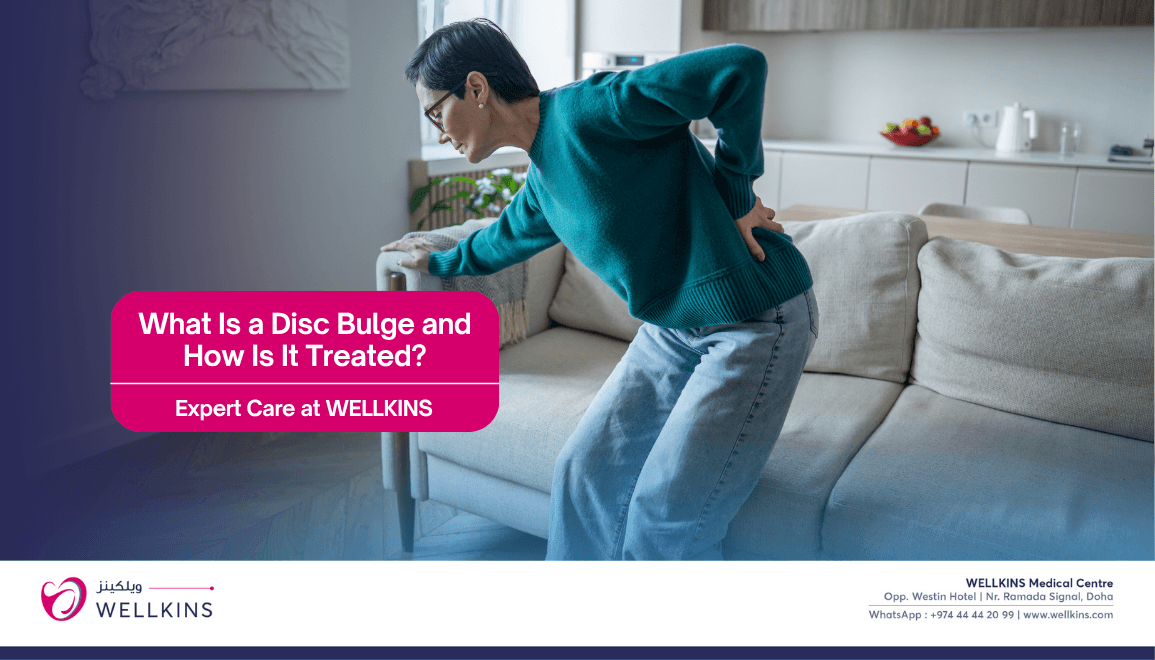
What Is a Disc Bulge?
The spine is made up of a series of vertebrae stacked on top of each other, separated by intervertebral discs that act as shock-absorbing cushions between the bony surfaces. Each disc has two main components: a tough outer fibrous ring called the annulus fibrosus and a softer gel-like inner core called the nucleus pulposus.
A disc bulge occurs when the outer layer of the disc extends beyond its normal boundary, protruding into the space around the spinal canal or the nerve exit channels. Unlike a disc herniation, the inner material does not significantly rupture through the outer layer. The disc remains structurally intact but its circumference has expanded beyond its normal footprint.
Disc bulges most commonly occur in the lumbar spine, the lower back, particularly at the L4-L5 and L5-S1 levels which bear the greatest mechanical load during daily activity. Cervical disc bulges in the neck are also common, particularly at C5-C6 and C6-C7 levels. Thoracic disc bulges are less common given the relative rigidity of the thoracic spine.
Several factors contribute to disc bulge development in Qatar’s population. The dehydrating effects of the climate reduce the water content of the disc nucleus over time, making the disc more susceptible to deformation under load. Prolonged seated work in Qatar’s office-heavy professional environment increases the intradiscal pressure and compressive load on the lumbar discs for hours each day. Physically demanding occupations involving repeated lifting and bending create cumulative mechanical stress on the disc structure over years.
Is Disc Bulge a Major Condition?
In the majority of cases a disc bulge is not a major or dangerous condition. This is one of the most important clinical messages in spinal care and one that is frequently lost in the anxiety that follows a spine imaging report.
Studies using MRI imaging on asymptomatic adults, people with no back pain at all, consistently find disc bulges in a significant proportion of participants. The prevalence of asymptomatic disc bulges increases with age, reaching very high rates in adults over fifty. This tells us clearly that a disc bulge visible on imaging is not automatically the cause of a patient’s symptoms and is not automatically a condition requiring aggressive treatment.
A disc bulge becomes clinically significant when it presses on a nearby nerve root or the spinal cord, producing symptoms in the distribution of the compressed nerve. When a lumbar disc bulge presses on the sciatic nerve, pain, tingling or numbness radiates down the leg in the pattern known as sciatica. When a cervical disc bulge compresses a nerve root, symptoms radiate into the arm and hand. The severity of these symptoms, their response to conservative management and the presence of any neurological deficit such as weakness or loss of bladder or bowel control all determine how urgently and how aggressively the condition needs to be managed.
Is It Treatable?
Yes. Disc bulge is highly treatable and the outcomes of appropriate management are excellent in the vast majority of patients. Around 80 to 90 percent of patients with symptomatic disc bulge improve with conservative non-surgical treatment alone. Surgery is required in a small minority of cases and only when specific clinical criteria are met.
The prognosis is further improved by early intervention. Patients who seek assessment and begin a structured management plan promptly, before the condition becomes chronic and before compensatory movement patterns and muscle inhibition become entrenched, recover faster and more completely than those who delay.
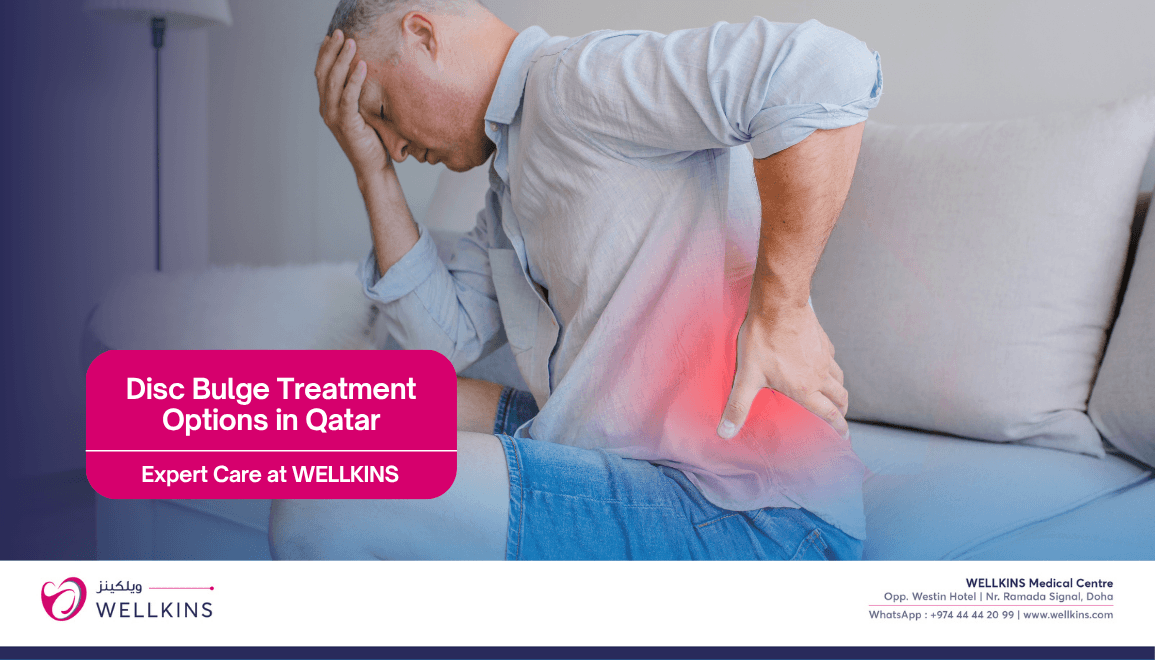
Treatment Options
Treatment for disc bulge is always individualized based on the severity of symptoms, the specific disc level and location involved and the patient’s occupational and activity demands. The approach follows a logical progression from the least invasive to the most invasive, with surgery reserved as a final option.
1. Medications
- Pain Relievers: Paracetamol is a safe and appropriate first-line analgesic for mild to moderate disc-related pain. It manages pain without the gastrointestinal side effects associated with prolonged NSAID use.
- Non-Steroidal Anti-Inflammatory Drugs (NSAIDs): NSAIDs address both pain and the inflammatory component of disc-related nerve irritation. They are most effective in the acute and subacute phases of management. Prolonged use should be supervised given their gastrointestinal and cardiovascular considerations.
- Muscle Relaxants: Where significant paraspinal muscle spasm accompanies the disc bulge, muscle relaxants provide additional relief that allows the patient to engage more effectively with physiotherapy. They are used for short-term management rather than ongoing treatment.
- Neuropathic Agents: For patients with significant nerve-related symptoms including burning, tingling or shooting pain, medications targeting neuropathic pain pathways may be prescribed alongside standard analgesics to address the nerve component of the symptom pattern.
2. Physiotherapy
Physiotherapy is the most important single component of conservative disc bulge management and the one that produces the most durable improvements in both pain and function.
- Core Strengthening Exercises: The deep stabilizing muscles of the lumbar spine, particularly the transversus abdominis and multifidus, provide the dynamic support that reduces the mechanical load on the discs during everyday activity. Targeted strengthening of these muscles is the foundation of long-term disc health and recurrence prevention.
- Stretching and Posture Correction: Hip flexor tightness, hamstring shortness and thoracic stiffness all contribute to increased lumbar compressive load. Addressing these through targeted stretching alongside postural correction reduces the forces that perpetuate the disc bulge symptom pattern.
- Spine Stabilization Programmes: Progressive functional rehabilitation that teaches the spine to move safely and efficiently under load, restoring the movement quality and endurance that allows patients to return to their full activity level without risk of recurrence.
- Manual Therapy: Hands-on techniques including mobilization of the spinal joints and soft tissue work can reduce pain and improve mobility in the acute and subacute phases, allowing more effective engagement with the active rehabilitation exercises that drive the long-term recovery.
3. Lifestyle Modification
- Weight Management: Excess body weight increases the compressive load on the lumbar discs during every step and every seated hour. In Qatar where obesity rates are among the highest in the region, weight management is a particularly relevant and impactful element of disc bulge management for a significant proportion of the clinic population.
- Ergonomic Corrections: Addressing the workstation setup including chair height, lumbar support, screen position and keyboard placement significantly reduces the postural load on the lumbar spine during the long seated working hours that characterize most professional roles in Doha.
- Avoiding Prolonged Sitting: Rising from the seated position and moving for a few minutes every thirty to forty-five minutes during a working day reduces the sustained intradiscal pressure that accumulates with prolonged static loading and is one of the most practical and most impactful behavioral changes available to desk workers with disc bulge.
- Hydration: Adequate daily water intake supports the hydration of the nucleus pulposus and the maintenance of disc height and shock-absorbing capacity over time. In Qatar’s heat where chronic mild dehydration is common, consistent water intake has a direct relevance to spinal disc health.
4. Interventional Procedures
- Epidural Steroid Injections: In selected cases where significant nerve root irritation produces radicular symptoms that are not adequately managed by medication and physiotherapy alone, a targeted epidural steroid injection delivers anti-inflammatory medication directly to the site of nerve compression. This reduces nerve irritation and pain and creates a window in which physiotherapy-based rehabilitation can be conducted more effectively. Injections are not a standalone treatment but a useful adjunct in carefully selected patients.
5. Surgery
- When Surgery Is Considered: Surgery for disc bulge is rarely required and is considered only in specific clinical circumstances including severe nerve compression producing progressive neurological weakness, loss of bladder or bowel function which represents a surgical emergency requiring urgent intervention, or failure of a full and appropriately conducted course of conservative management over an adequate period.
- Surgical Options: The most commonly performed procedure for disc bulge is a microdiscectomy, a minimally invasive procedure in which the portion of the disc that is compressing the nerve is removed under magnification. Recovery from microdiscectomy is typically faster and less extensive than many patients expect and outcomes for appropriately selected patients are excellent.
What to Do
- Maintain good posture throughout the working day and during everyday activities, particularly when sitting for extended periods.
- Perform the physiotherapy exercises prescribed for your specific condition consistently, including on days when symptoms are mild.
- Stay active with light activities including walking which maintains spinal mobility, supports disc nutrition and prevents the deconditioning that prolongs recovery.
- Use proper lumbar support while seated, both at the workstation and in the car, to maintain the natural lumbar curve and reduce disc loading.
- Sleep on a medium-firm mattress that supports spinal alignment without creating pressure points that disturb sleep quality.
What Not to Do
- Avoid heavy lifting, particularly with a flexed lumbar spine, during the acute and recovery phases of disc bulge management.
- Avoid sudden bending and twisting movements that generate high shear forces across the disc, particularly first thing in the morning when disc water content is at its highest and the disc is most vulnerable to injury.
- Do not sit for prolonged periods without taking brief movement breaks. Static loading of the disc for hours at a time without relief significantly slows recovery.
- Avoid high-impact activities including running on hard surfaces and heavy plyometric exercise during the acute pain phase.
- Do not stop all activity entirely. Prolonged rest is consistently shown to prolong recovery from disc-related back pain rather than accelerate it.
How Long Does It Take to Heal?
Most patients with disc bulge see meaningful improvement within four to eight weeks with appropriate treatment and consistent physiotherapy engagement. In some cases where the bulge is more significant or where nerve compression is involved, recovery may take up to three months depending on severity and adherence to the rehabilitation programme.
The timeline of recovery is directly influenced by how early management begins, how consistently physiotherapy is performed and how effectively the contributing lifestyle and postural factors are addressed alongside the clinical treatment.
Is It a Lifelong Disease?
No. A disc bulge is not necessarily a lifelong condition. Many patients recover completely and remain symptom-free for years following appropriate management. The disc may retain some structural change visible on imaging but this does not mean symptoms will persist or return.
Recurrence is possible and is most common when the underlying contributory factors including poor core strength, suboptimal posture, excess body weight and inadequate ergonomic setup are not addressed as part of the recovery process. This is why the lifestyle and physiotherapy components of management are as important as the acute pain management itself.
Will the Disc Become Normal Again?
In many cases the disc may not completely return to its original structure as seen on imaging. However this is clinically less important than it sounds. Symptoms can resolve completely and function can be fully restored even when some structural change remains visible on MRI. The goal of management is not to produce a perfect image but to restore pain-free function and to provide the patient with the knowledge and habits to protect their spine going forward.
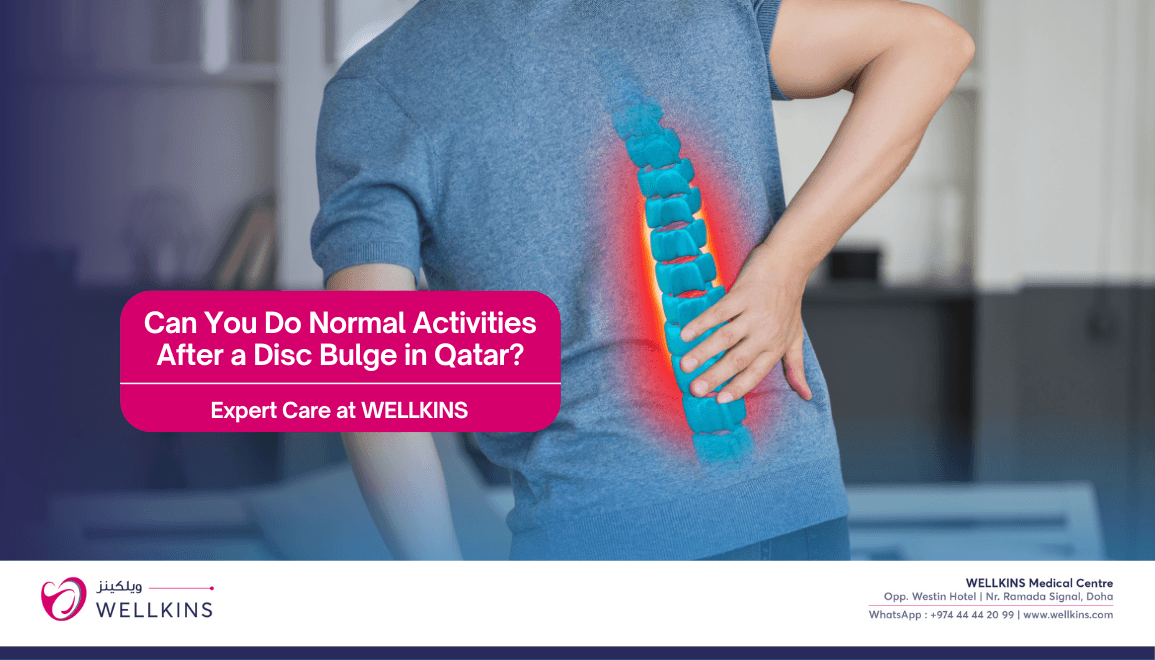
Can You Do Normal Activities, Sports and Gym?
Yes. Most patients can and should return to normal daily activities, sport and gym training after recovering from a disc bulge. Active participation in appropriate exercise is not only permitted but is actively recommended as part of both recovery and long-term disc health.
- Light Activities Early: Walking, swimming and gentle mobility exercises can typically be resumed early in the recovery process and contribute positively to disc nutrition and overall recovery momentum.
- Gym Restarted Gradually: Return to gym training should be gradual and guided by a physiotherapist or informed trainer who understands the specific movements and loads to reintroduce progressively. Core strengthening and technique-focused training are the priorities in the early return-to-gym phase.
- Heavy Lifting Avoided Initially: Axial loading exercises including heavy squats and deadlifts should be reintroduced gradually and only after core stability and pain-free movement through functional ranges have been established.
- Core Strengthening as the Foundation: Regardless of the specific sport or activity the patient returns to, a strong and functional core is the most important protective factor for long-term spinal health and recurrence prevention.
When to See an Orthopedic Specialist at Wellkins
A disc bulge should not be a cause for panic. But it should not be ignored either. You should seek an orthopedic consultation at Wellkins Medical Centre if:
- Back or neck pain is severe enough to interfere with sleep, work or daily activities.
- Pain radiates into the arm or leg with accompanying tingling, numbness or weakness.
- Symptoms have not improved meaningfully within four to six weeks despite rest and over-the-counter management.
- You experience any difficulty with bladder or bowel function alongside back pain, which requires urgent assessment.
- You have been given a disc bulge diagnosis on imaging but have not had a clinical assessment to correlate the imaging findings with your specific symptoms.
- You want a clear and personalized plan for returning to sport, gym or demanding physical activity following a disc bulge diagnosis.
A disc bulge is a diagnosis that responds well to the right management. Early assessment, targeted treatment and consistent rehabilitation produce outcomes that allow most patients to return to everything they did before, often with a stronger and more resilient spine than they had prior to the injury. That is the goal at Wellkins and it is an achievable one for the overwhelming majority of people who walk through the door.
To book an appointment at Wellkins Medical Centre: https://wellkins.com/orthopedics/