
Author: Dr. Nikitha Fernandez, (Clinical Psychologist – WELLKINS Medical Centre)
“I am exhausted, but I cannot sleep. Because I cannot sleep everything feels worse the next day.”
Have you ever experienced this?
You go to bed feeling tired and hoping that tonight will finally be different. The moment your head touches the pillow, your mind starts working overtime. You remember something embarrassing you said three years ago. You start worrying about tomorrow’s meeting. You think about a conversation you had with your partner. You remember the bills you need to pay, the messages you have not answered and the things you should have completed during the day.
You check the time.
It is 1:30 a.m.
You tell yourself, “I need to sleep now. I have to wake up early.”
Somehow that pressure makes it even harder to fall asleep. The next morning you wake feeling as though you have not rested at all. You may become irritated by small things, struggle to concentrate and wonder why everything feels so difficult.
By evening you are exhausted again, but when bedtime comes your mind refuses to switch off. This is where sleep and mental health begin to affect each other. Poor sleep can make emotional difficulties harder to manage. Anxiety, depression, stress and other mental health concerns can also interfere with sleep.
It is not simply about getting eight hours of rest. It is about understanding the relationship between your mind, body and sleep.
“Sleep and mental health have a two way relationship. Poor sleep can increase emotional sensitivity, reduce concentration and make stress more difficult to manage. Anxiety, depression and unresolved pressure can then make it harder for the mind and body to settle at night. This is why treating only one side of the problem may not be enough. Effective support looks at sleep habits, emotional wellbeing, daily routines and possible medical contributors together. The aim is not to achieve perfect sleep every night. It is to understand what is maintaining the difficulty and help the person rebuild a healthier relationship with rest.”
People Also Ask
Can poor sleep affect mental health?
Yes. Ongoing sleep difficulties can affect concentration, emotional regulation, energy and the ability to cope with stress. Poor sleep may also intensify existing symptoms of anxiety or depression.
Can anxiety stop you from sleeping?
Anxiety can make the mind feel alert when the body is tired. Worrying about work, relationships, health or sleep itself may make it difficult to fall asleep or return to sleep after waking.
Why am I tired after sleeping for eight hours?
Time in bed does not always equal restorative sleep. Repeated awakenings, sleep apnoea, an irregular schedule, medication effects, medical conditions or emotional distress may contribute to unrefreshing sleep.
What is CBT for insomnia?
Cognitive Behavioural Therapy for Insomnia is a structured psychological treatment that addresses the thoughts, behaviours and routines that can maintain chronic insomnia. It is more comprehensive than general sleep hygiene advice.
When should sleep problems be professionally assessed?
Consider professional support when sleep problems continue for several weeks or interfere with work, relationships, mood or daytime functioning. Loud snoring, gasping during sleep or severe daytime sleepiness also require medical assessment.
Why sleep is much more than rest
We often treat sleep as something we can sacrifice when life becomes busy. We stay awake finishing work, scrolling through social media, watching another episode or worrying about things we cannot control.
Then we expect ourselves to function normally the following morning.
Sleep is not wasted time. While we sleep, the brain carries out important processes involved in learning, memory, attention and emotional regulation. Sleep also supports physical health and helps the body recover from the demands of the day. Think about your phone. When the battery is nearly empty, everything becomes more stressful. You start looking for a charger, reducing screen brightness and closing applications. When our own energy is depleted, we often continue expecting ourselves to function at full capacity. We expect ourselves to be patient parents, supportive partners, productive employees and emotionally balanced individuals even when we are running on very little sleep.
Sometimes what feels like a lack of patience, motivation or emotional control is being made worse by a lack of restorative sleep. Sleep may not solve every problem in your life, but sufficient good quality sleep can make those problems easier to understand and manage.
Understanding the Relationship Between Sleep and Mental Health
Sleep affects how we process emotions and respond to everyday demands. When sleep is repeatedly disrupted, ordinary problems may begin to feel more intense or harder to manage.
Mental health symptoms can also interfere with the body’s ability to settle. Understanding this relationship can help treatment address the pattern as a whole rather than treating tiredness and emotional distress as unrelated concerns.

What happens to your mind when you don’t sleep well?
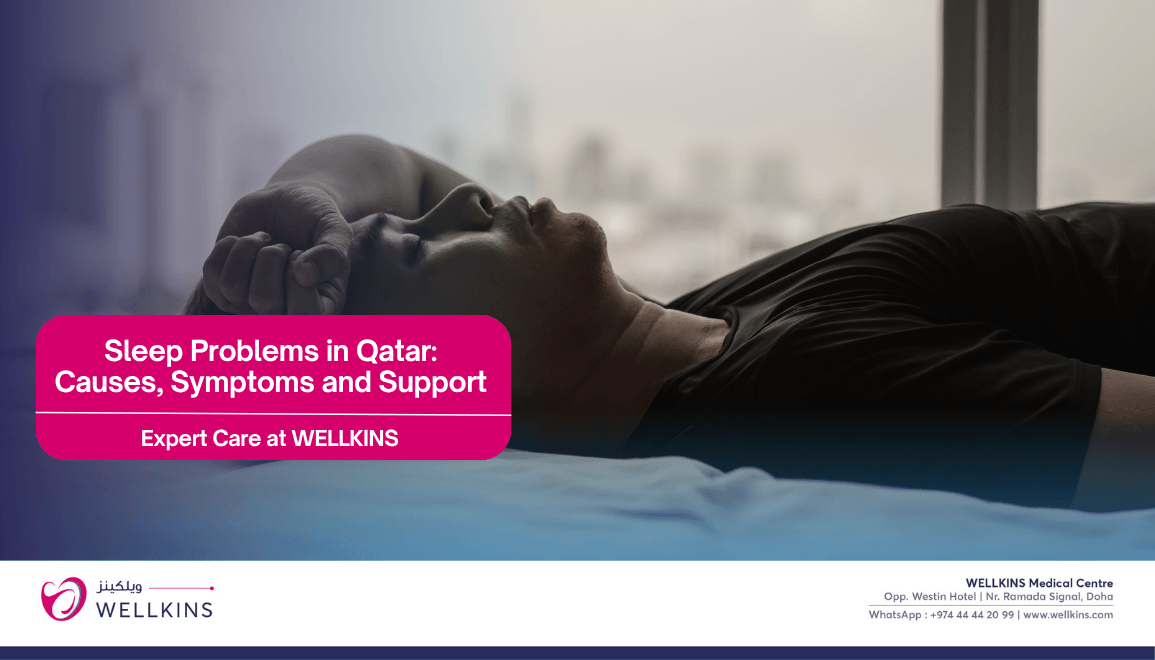
Imagine having a difficult conversation with someone after a full night’s sleep. Now imagine having exactly the same conversation after sleeping for only three or four hours.
Would you react in the same way?
Probably not.
When you are sleep deprived, you may find it harder to concentrate, regulate emotions, interpret situations calmly and make decisions.
A small inconvenience may feel overwhelming. A neutral message may seem rude while a minor disagreement may turn into a major argument.
You may find yourself thinking:
- “Why is everyone irritating me today?”
- “Why cannot I concentrate?”
- “Why am I overthinking everything?”
- “Why do I feel so emotionally sensitive?”
- “Why do I have no energy to do anything?”
Sleep is not the only possible explanation for these experiences. However, it can be an important part of the overall picture. When poor sleep becomes a pattern, it may contribute to emotional difficulties and make existing mental health symptoms harder to manage.
This is why sleep deserves attention whenever psychological wellbeing is being assessed. A complete evaluation should consider how long the problem has been present, what happens at night and how the person functions during the day.
The connection between sleep and anxiety
Have you noticed that your worries sometimes feel much bigger at night?
During the day you may be occupied with work, family responsibilities, appointments and everyday activities. At night the distractions disappear. Suddenly there is space for every unfinished thought. You begin thinking about what might go wrong tomorrow. You replay what happened today and imagine conversations that have not even taken place.
The more anxious you become, the harder it may be to sleep.
Then you begin worrying about not sleeping.
“If I do not sleep tonight, I will not be able to function tomorrow.”
Now there are two problems: the original worry and the fear of another sleepless night.
This creates a cycle:
Worry → difficulty sleeping → tiredness → increased emotional sensitivity → more worry
For some people this cycle becomes so familiar that bedtime itself begins to trigger anxiety. The bedroom which should feel like a place of rest becomes associated with frustration and overthinking.
What can help?
Try separating worrying time from sleeping time. If your mind repeatedly brings up tomorrow’s responsibilities, spend 10 to 15 minutes earlier in the evening writing down your concerns.
For each concern ask yourself:
- Is there something I can do about this?
- What is one practical next step?
- Does this need my attention tonight or can it wait until tomorrow?
You do not have to solve everything before going to bed. Resting tonight and returning to the problem tomorrow can both be reasonable choices.
Writing a concern down may reassure the mind that it will not be forgotten. The purpose is not to create another long task list before bed, but to give unfinished thoughts an appropriate place outside the bedroom.
If persistent anxiety continues to interfere with sleep, psychological treatment may help address the anxiety as well as the sleeping difficulty. You can also read the WELLKINS guide to stress and anxiety treatment in Qatar.
Sleep and depression: Which comes first?
This is a question many people ask.
Does depression cause poor sleep or does poor sleep contribute to depression?
The relationship can work in both directions.
Some people experiencing depression struggle to fall asleep or wake repeatedly during the night. Others sleep for long periods but continue to feel exhausted. Some wake much earlier than intended and cannot return to sleep. Persistent sleep difficulties are also associated with a greater risk of emotional distress and may make recovery from depression more difficult. Consider someone who has gradually stopped enjoying their usual activities. They feel tired throughout the day, struggle to concentrate at work and begin avoiding social situations.
Because they have little energy, they stop exercising and spend more time alone. At night they struggle to sleep. The following morning they feel even less able to do the things that once helped them feel connected and engaged with life. Over time this pattern can become difficult to break. You do not have to wait until your mood improves before addressing your sleep. Improving sleep can be one part of a broader treatment plan for depression alongside psychological therapy and medication when clinically appropriate.
If depression is affecting sleep, treating only the sleep problem may not be enough. The underlying emotional difficulties also deserve attention.
“I’m sleeping eight hours, so why am I still tired?”
Sleep duration matters, but it is not the only factor.
You may spend eight hours in bed without getting enough restorative sleep. You might wake frequently, have an irregular sleep schedule or experience a sleep disorder. Persistent tiredness can also be associated with medical conditions, medication effects, stress and mental health difficulties.
If you regularly wake feeling unrefreshed despite allowing enough time for sleep, consider discussing the problem with a healthcare professional.
Depending on your symptoms they may explore possible causes such as:
- Sleep apnoea or other sleep disorders
- Persistent insomnia
- Medication side effects
- Thyroid or other medical conditions
- Mood or anxiety difficulties
- Irregular sleep timing
Loud snoring, gasping during sleep, repeated awakenings or excessive daytime sleepiness are particularly important to discuss with a doctor.
The goal is not simply to spend more time in bed. It is to understand why the sleep you are getting does not leave you feeling rested.
Why your phone may be keeping your mind awake
Many of us take our phones to bed intending to check only one thing.
A message becomes a social media post. A post becomes a video. One video becomes ten and suddenly it is much later than expected. Evening screen use can interfere with sleep by delaying bedtime, exposing the eyes to light and keeping the mind mentally stimulated. Notifications, emotionally charged content and endless scrolling can make it harder to wind down.
There is another reason we may reach for our phones.
Sometimes scrolling is not really about entertainment. It can become a way of avoiding our thoughts. When the day becomes quiet, we may not want to sit with the worry, loneliness or uncertainty we have been carrying. The phone gives us something else to focus on.
The distraction may provide temporary relief without addressing what is keeping the mind awake.
Try this instead
- Create a wind down period before bed
- Keep your phone away from your pillow when possible
- Silence unnecessary notifications overnight
- Avoid emotionally stimulating content close to bedtime
- Replace some scrolling time with reading, gentle stretching or quiet music
- Place the phone away from the bed if you use it as an alarm
You do not have to abandon technology completely. Start by noticing whether your evening screen habits are helping you relax or keeping your mind switched on.
It may help to choose a realistic stopping time rather than expecting yourself to make a dramatic change in one evening. A consistent reduction in bedtime scrolling is often more sustainable than a rule that feels impossible to maintain.
How Evening Habits Can Influence Sleep
Evening routines help the brain recognise that the active part of the day is ending. Lowering stimulation and creating predictable steps before bed may make this transition easier.
The routine does not need to be elaborate. A few repeatable actions such as putting the phone aside, dimming the lights and reading quietly may be more useful than attempting a perfect routine that cannot be sustained.
The hidden problem: Trying too hard to sleep
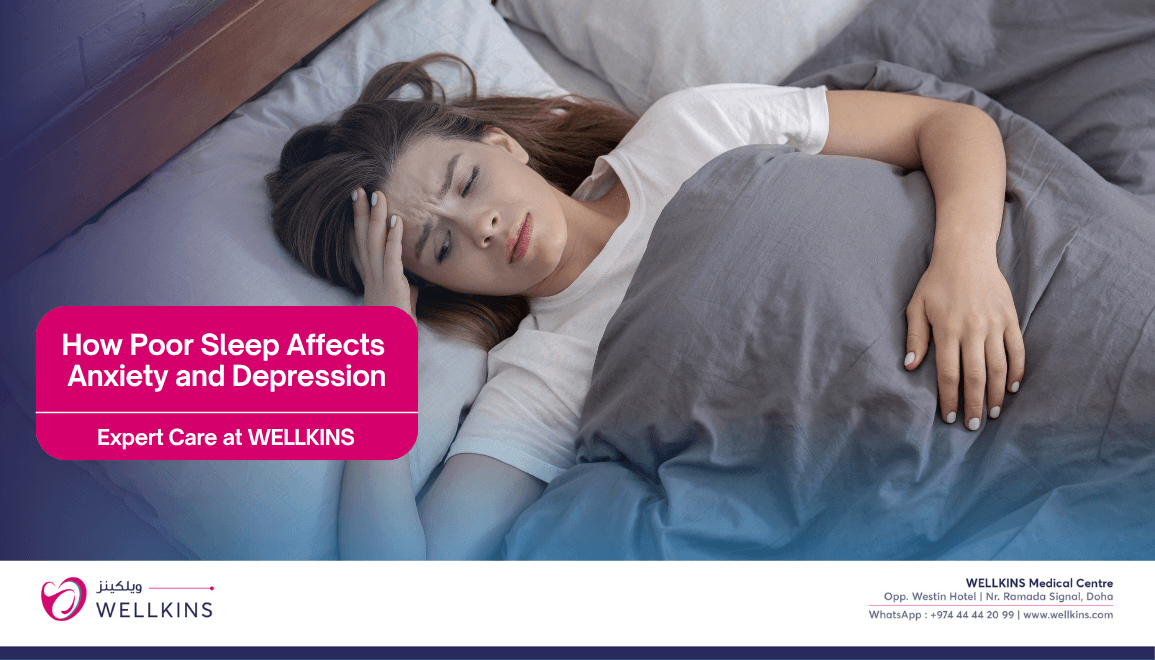
This may sound unusual, but sometimes the effort to sleep becomes part of the problem.
You get into bed and immediately begin monitoring yourself.
“Am I sleepy yet?”
“Why am I still awake?”
“How many hours do I have left?”
“What if this happens again tomorrow?”
The more you try to force sleep, the more alert and frustrated you may become.
Sleep is not something we can always command ourselves to do. It is a biological process influenced by sleep drive, the body clock, the environment and the level of physical or mental arousal. If you are lying awake for a prolonged period and becoming increasingly frustrated, consider getting out of bed and doing something quiet in dim lighting. Return to bed when you feel sleepy again. Avoid repeatedly checking the clock. Each time you calculate how little sleep remains, you may increase the pressure and alertness that are keeping you awake.
The aim is to reduce the association between the bed and the struggle to sleep.
For persistent insomnia, Cognitive Behavioral Therapy for Insomnia is a recommended psychological treatment. It addresses the thoughts, habits and patterns that can keep sleep difficulties going. This treatment is more structured than general sleep hygiene advice and can be particularly helpful when insomnia has become an ongoing problem.
The WELLKINS article on sleep disorder treatment in Qatar provides additional information about insomnia and available forms of support.
How stress affects your sleep
Imagine a person who spends the entire day responding to emails, managing deadlines, caring for children and handling family responsibilities.
They finally get into bed.
Physically they are exhausted. Mentally they are still at work.
They replay conversations, plan tomorrow’s tasks and think about everything they have not finished. Their body is in bed, but their mind is still responding to the demands of the day. Stress can increase mental and physical arousal which may make it harder to relax enough to fall asleep.
This is particularly relevant for people who have very little separation between work and personal life. In a busy environment like Qatar, some individuals may be balancing demanding jobs, long commutes, parenting, financial responsibilities and distance from extended family.
There is no single sleep routine that works for everyone. Shift workers, parents of young children and people with demanding schedules may face different challenges.
One principle remains useful:
Your mind needs a transition between being busy and being ready to rest.
Try creating a short evening ritual that signals the end of the day. It could include a warm shower, preparing for the following morning, gentle breathing, reading or writing down tomorrow’s priorities.
It does not need to be elaborate. The purpose is to give yourself permission to stop working on the day that has already happened.
Practical habits that support both sleep and mental health
You do not need to transform your entire lifestyle overnight. Start with a few manageable changes that can be repeated consistently.
1. Keep your wake-up time reasonably consistent
A regular wake up time can help stabilise your body clock. Try to maintain a similar schedule throughout the week where practical.
A consistent morning routine may be more useful than repeatedly forcing an early bedtime before you feel sleepy.
2. Get daylight during the day
Natural light particularly earlier in the day helps regulate the sleep and wake rhythm. Outdoor activity can also support mood and general wellbeing.
In Qatar, choose a time when outdoor conditions are comfortable and safe. Even brief regular daylight exposure may help provide a clearer signal to the body clock.
3. Move your body regularly
Walking, swimming, cycling or another activity you enjoy may support both sleep and mental health.
If exercise late in the evening makes you feel more alert, try scheduling it earlier. The most useful activity is one that suits your health and can be maintained consistently.
4. Be mindful of caffeine
Coffee, tea, energy drinks and other sources of caffeine can interfere with sleep especially when consumed later in the day.
Notice your own sensitivity and consider reducing afternoon or evening caffeine if sleep is difficult.
5. Avoid using alcohol as a sleep aid
Alcohol may create initial sleepiness, but it can disrupt sleep quality later in the night.
If sleep is a concern, avoid relying on alcohol to help you fall asleep. Speak to a qualified professional if alcohol use has become connected to your ability to rest.
6. Create a comfortable sleeping environment
Where possible, keep the bedroom dark, quiet and comfortably cool.
In Qatar’s climate, air conditioning, room temperature and external noise may be relevant factors. The room should feel comfortable without becoming excessively cold or dry.
7. Give yourself time to wind down
You cannot always move directly from a stressful meeting or emotionally difficult conversation into restful sleep.
Allow some time for your mind and body to settle. Choose activities that reduce stimulation rather than introducing more work or emotionally demanding information.
8. Don’t turn sleep into another performance target
A perfect bedtime routine is not a requirement for good mental health. Trying to perform sleep correctly can create another source of pressure.
Focus on habits that are realistic and sustainable rather than worrying about doing everything perfectly.
When should you seek professional help?
Occasional poor sleep is common. A few restless nights do not automatically mean that you have a sleep disorder or mental health condition.
Consider seeking professional help if:
- You regularly struggle to fall asleep or stay asleep
- Sleep difficulties are affecting work, studies or relationships
- You feel persistently exhausted despite allowing enough time for sleep
- Anxiety or low mood is interfering with your ability to rest
- You rely on alcohol or medicine that was not prescribed for you to fall asleep
- You experience significant daytime sleepiness
- Your sleep problems have continued for weeks or are becoming difficult to manage
A healthcare professional can assess possible medical, psychological and lifestyle contributors.
Depending on your needs, support may include medical evaluation, Cognitive Behavioural Therapy for Insomnia, psychological therapy for anxiety or depression or referral to a sleep specialist.
If sleep difficulties occur alongside persistent low mood, loss of interest, hopelessness or significant anxiety, it is important to discuss both rather than treating them as separate problems.
You deserve care for the whole picture.
Professional Support for Sleep and Emotional Wellbeing
A psychological consultation can explore the thoughts, emotions and habits that may be keeping sleep difficulties going. It can also identify whether anxiety, depression, stress or another emotional concern needs attention.
Sleep problems may have more than one cause. Psychological treatment can therefore be coordinated with medical assessment when symptoms suggest a physical sleep disorder, medication effect or another health condition.
A message to people who are tired of feeling tired
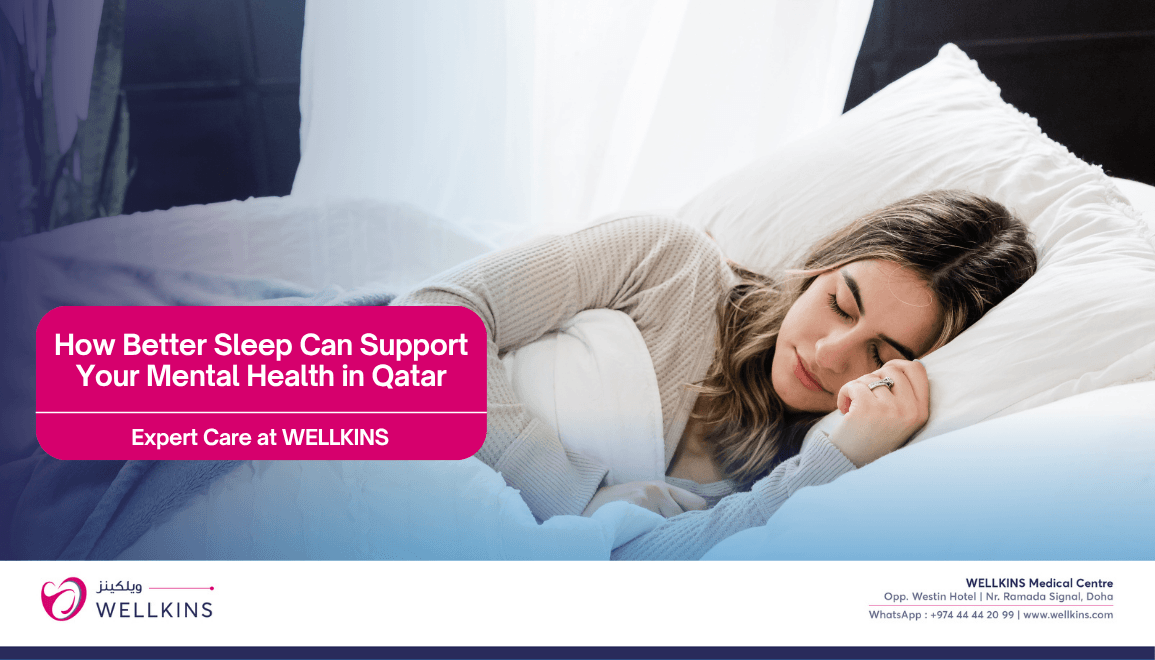
If you have been struggling with sleep, please do not assume that you are lazy, undisciplined or simply bad at managing stress. You may have developed habits that need adjusting. You may be dealing with stress that has not been addressed or you may have a medical or psychological difficulty that needs professional attention.
Whatever the cause, blaming yourself rarely helps.
Instead of asking:
“Why cannot I sleep like everyone else?”
Try asking:
“What might be keeping my mind and body from resting and what support would help?”
That question creates room for understanding rather than criticism.
If your mind becomes busy the moment you lie down, remember that you do not need to solve every problem at midnight.
Some things can wait until morning. Some things need support and some may feel more manageable after you have rested.
Final Thoughts
Sleep and mental health are deeply connected.
Poor sleep can make it harder to regulate emotions, manage stress and cope with everyday challenges. Anxiety, depression and ongoing stress can also interfere with sleep which creates a cycle that may be difficult to break. This is why simply telling someone to “sleep earlier” is not always enough. Sometimes we need to change our habits. Sometimes we need to address our worries while other situations require medical assessment.
Psychological support may also help us understand why the mind struggles to switch off and what is keeping the sleep difficulty going. You do not have to wait until exhaustion affects every part of your life before seeking help. Sleep is not a luxury that you earn after finishing everything. It is one of the foundations that helps you face life in the first place.
Tonight, instead of putting pressure on yourself to achieve the perfect night’s sleep, try giving yourself something gentler: less stimulation, greater consistency and permission to stop carrying the entire day into tomorrow.
Looking after your sleep is also a way of looking after your mind.
To book an appointment at Wellkins Medical Centre: https://wellkins.com/nikitha
To know more about the clinical psychology at Wellkins Medical Centre, Doha: https://wellkins.com/mentalhealth
To arrange a confidential consultation, visit the WELLKINS appointment page for Dr. Nikitha Fernandez
This article is intended for general education and does not replace an individual medical or psychological assessment. Seek immediate local emergency assistance if you or another person is at immediate risk of harm.