
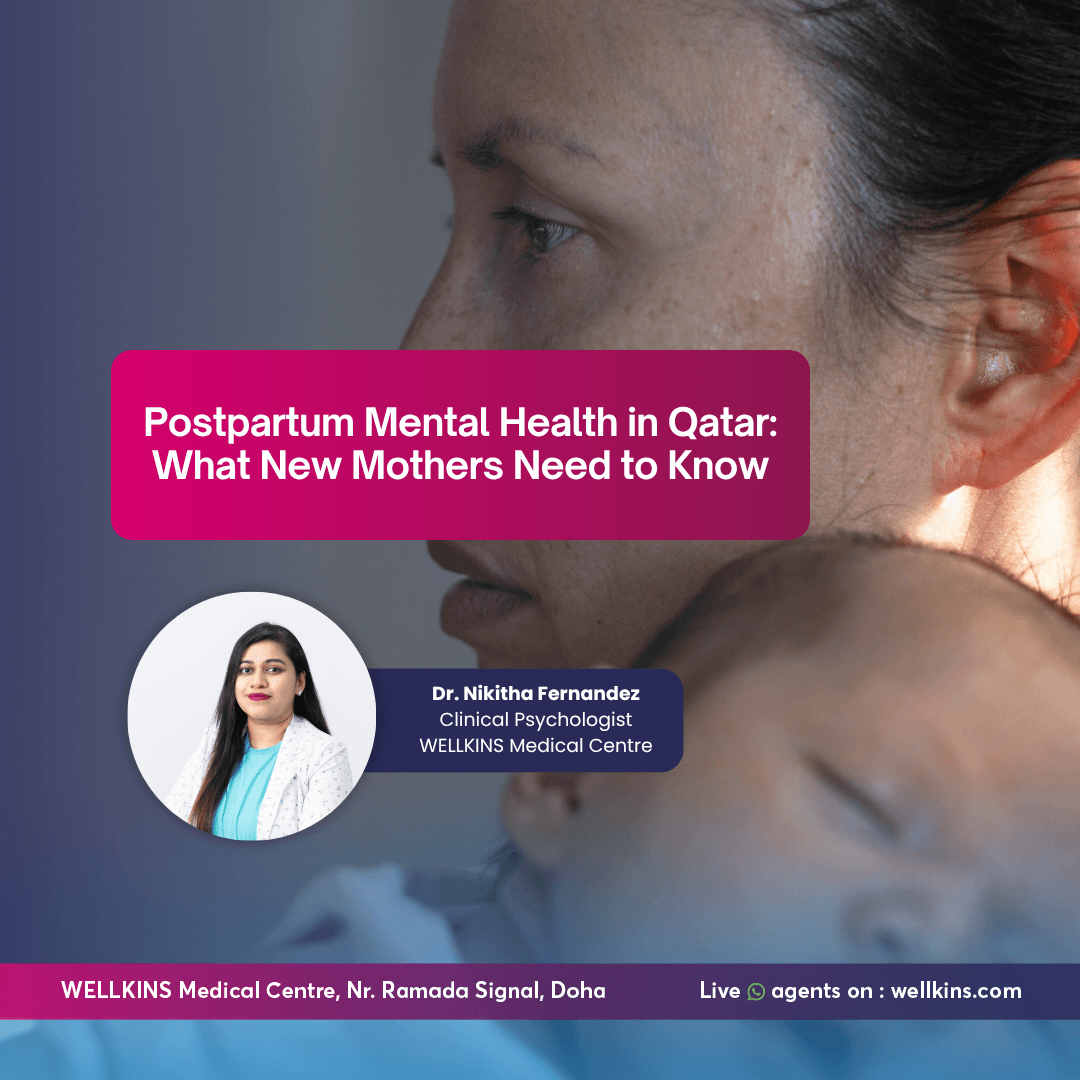
Author: Dr. Nikitha Fernandez, (Clinical Psychologist – WELLKINS Medical Centre)
“I love my baby… so why don’t I feel happy?”
This is a question many new mothers are afraid to ask. Everyone around them may be celebrating with flowers, photographs, congratulations and messages saying, “You must be so happy!” Yet the mother may be quietly wondering why she is crying so much, why she feels overwhelmed or why she no longer feels like herself.
These thoughts can be frightening when a new mother believes she should feel nothing but happiness. Having a difficult emotional experience after childbirth does not make someone a bad mother. Motherhood is a major transition that can bring enormous love and enormous exhaustion at the same time.
Understanding postpartum mental health helps mothers and families recognize when emotional changes may need extra support. It also creates space for honest conversations without shame or judgement.
A mother can love her baby deeply and still feel anxious, exhausted, disconnected or unlike herself. These feelings are not proof that she is failing. They are signs that her emotional wellbeing deserves the same care and attention as her physical recovery. When distress persists or begins affecting daily life, reaching out early can help a mother understand what she is experiencing and receive support without having to wait for a crisis.
People Also Ask
How long do the postpartum depression usually last?
The baby blues commonly begin during the first days after childbirth and usually improve within about two weeks. If sadness, anxiety or difficulty coping is intense, continues beyond this period or affects everyday functioning, speak with a qualified healthcare professional.
What are common signs of postpartum depression?
Signs may include persistent low mood, loss of interest, guilt, hopelessness, sleep or appetite changes, difficulty concentrating and feeling disconnected from the baby. Some mothers experience anxiety or irritability more strongly than sadness so any lasting emotional change deserves attention.
Can therapy help with postpartum anxiety and depression?
Yes. Psychological support can help mothers understand their emotions, manage excessive worry, address guilt and adjust to changes in identity or relationships. The type of therapy and wider care plan should be matched to the mother’s symptoms and individual circumstances.
When is postpartum mental health an emergency?
Severe confusion, hallucinations, delusional beliefs, loss of contact with reality or an immediate risk of harm to the mother or another person requires urgent assessment. In Qatar, call 999 or go to the nearest emergency department and do not leave the mother alone.
Becoming a Mother Is a Huge Psychological Adjustment
Pregnancy preparation often focuses on the hospital, baby clothes, feeding and sleep schedules. Far less attention may be given to the emotional experience of becoming a mother even though identity, routine, relationships, body, sleep and responsibilities can all change at once.
A mother may feel that everyone needs something from her while few people ask how she is doing. This adjustment can be beautiful but it can also be difficult. Feeling both love and uncertainty is possible and neither emotion cancels the other.
The Emotional Transition Into Motherhood
Becoming a mother involves physical recovery as well as a profound psychological transition. Changes to sleep, independence, relationships and personal identity can take time to process.
Partners and relatives can help by asking about the mother’s wellbeing without judgement. Listening carefully may make it easier for her to express emotions that she has been trying to hide.
You Are Not Alone
The World Health Organization reports that mental-health conditions during pregnancy and the first year after birth are common. A Qatar study involving 1,379 postpartum women reported symptoms of postpartum depression in 17.6% of participants and identified several associated social, relationship and pregnancy-related factors.
Statistics help show that postpartum distress is not a personal failure. Behind every number is a mother who may be struggling quietly while people around her celebrate the arrival of the baby. Support should be compassionate, confidential and tailored to the individual.

“Baby Blues” or Something More?
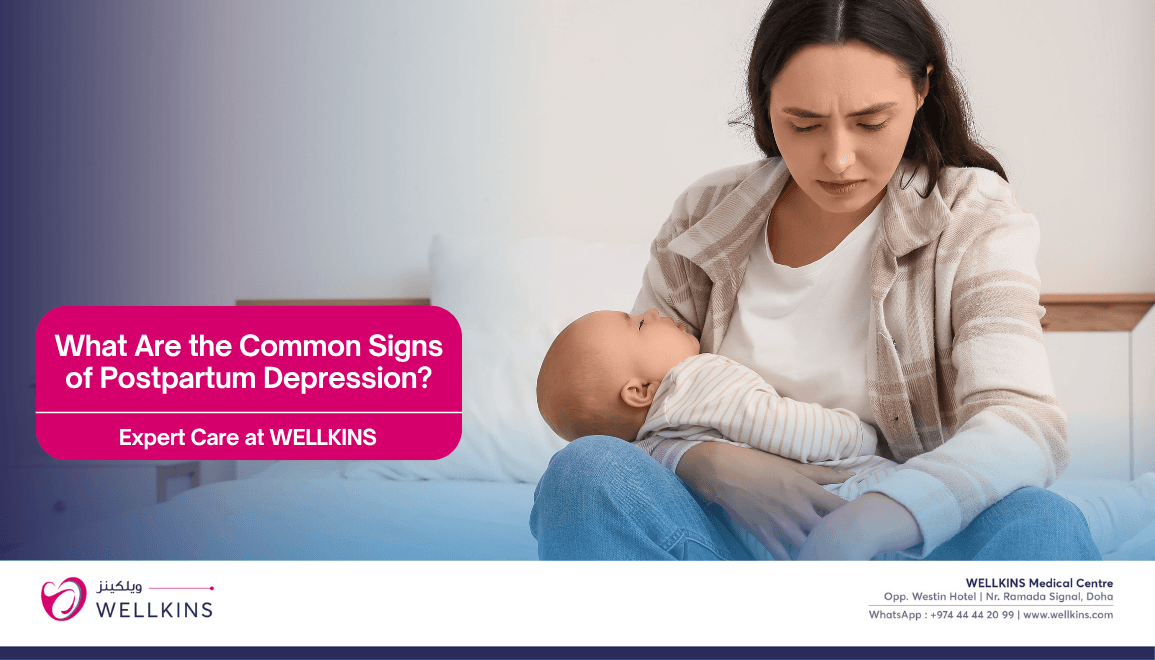
Many new mothers experience emotional ups and downs soon after childbirth. They may cry more easily, feel unusually sensitive or become overwhelmed by the responsibility of caring for a newborn. These temporary changes are commonly called the baby blues.
Postpartum depression or anxiety may be considered when sadness, fear, hopelessness or distress becomes intense, persists or begins interfering with daily life. A mother does not have to wait until she feels unable to cope before seeking professional help.
What Can Postpartum Depression Look Like?
Postpartum depression does not always look like someone crying throughout the day. Possible experiences can include:
- Feeling emotionally numb or persistently empty
- Losing interest in activities that were previously enjoyable
- Feeling guilty about not being a “good enough” mother
- Finding ordinary tasks unusually difficult
- Struggling to sleep even when there is an opportunity to rest
- Experiencing changes in appetite or concentration
- Feeling disconnected from the baby
- Living with constant worry, fear or irritability
Many mothers describe the experience simply as, “I don’t feel like myself anymore.” A noticeable and lasting change in mood or functioning deserves to be taken seriously.
What About Postpartum Anxiety?
For some mothers, anxiety is more noticeable than sadness. Questions such as “Is my baby breathing?”, “Am I feeding the baby correctly?” or “What if I make a mistake?” may repeat constantly and make it difficult to rest.
Some worry is understandable when caring for a newborn. When it becomes overwhelming or prevents a mother from sleeping, leaving the house, completing daily activities or enjoying time with her baby, professional support may be helpful.
Recognizing Postpartum Depression and Anxiety
Postpartum mental-health difficulties can appear through sadness, anxiety, irritability, guilt, numbness or changes in behavior. Symptoms can vary so families should pay attention to meaningful changes rather than looking for one specific sign.
A supportive conversation can begin with a simple question such as, “How are you really feeling?” The goal is to listen and help the mother connect with appropriate care if the difficulties continue.
Why Can Life in Qatar Feel Different for New Mothers?
Qatar is home to families from many cultures and backgrounds. For some mothers, their closest emotional support may be thousands of kilometers away. Grandparents or siblings may live in another country while the mother recovers from childbirth and adjusts to caring for a newborn.
She may also be balancing motherhood, marriage, work, household responsibilities and distance from family. Cultural expectations or pressure to manage everything calmly can make it harder to admit that help is needed. No mother should feel that she has to handle every responsibility alone.
“I Should Be Grateful”
This can be one of the most painful thoughts a mother carries. She may believe that having a healthy baby means she has no right to feel unhappy or that other people’s struggles make her own feelings less important.
Gratitude and emotional difficulty can exist together. A mother can love her child and miss her previous life. She can feel fortunate and exhausted. Needing help does not reduce her love for her baby or her appreciation for becoming a parent.
Why Support Matters So Much
Emotional wellbeing should be part of postnatal healthcare rather than an afterthought. Support can be as simple as listening, helping with the baby, preparing a meal or giving the mother uninterrupted time to sleep.
Partners and family members should remember that “I’m fine” may not always describe how the mother truly feels. Sometimes practical help is needed. At other times professional psychological support may provide the private and non-judgmental space she needs.
How Can Therapy Help?
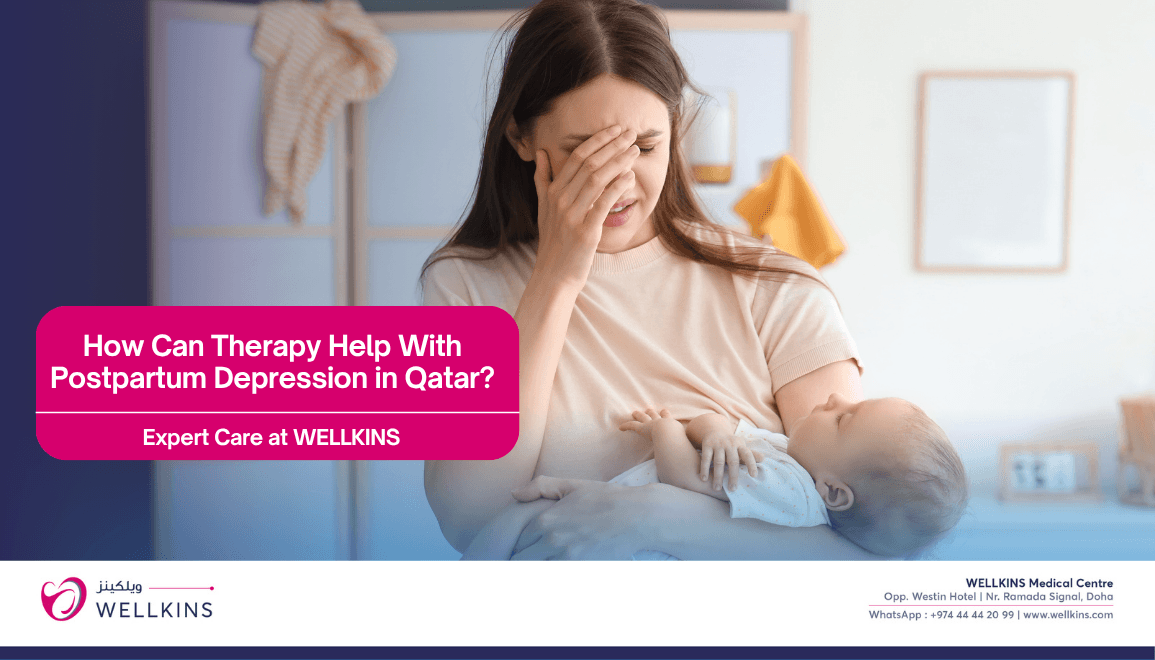
Postpartum counselling is not about teaching someone to become a perfect mother. Therapy offers a safe space to discuss thoughts or feelings that may be difficult to express elsewhere. Depending on individual needs, it may help a mother:
- Understand emotional changes and personal triggers
- Manage anxiety, panic or excessive worry
- Work through guilt or harsh self-judgement
- Adjust to changes in identity and relationships
- Develop coping strategies for stress and disrupted sleep
- Strengthen communication with her partner
- Process a difficult pregnancy or birth experience
- Reconnect with herself and build confidence in motherhood
Evidence-based approaches may include cognitive behavioral techniques and other psychological interventions. Care should be individualized because symptoms, medical history, support systems and personal preferences differ.
Your Partner Needs to Be Part of the Conversation Too
People often ask how the baby is doing but someone should also ask how the mother is doing. Partners can notice changes, offer practical help and encourage professional support instead of waiting for the mother to manage everything herself.
Listening without immediately trying to solve the problem can be valuable. Telling a distressed mother to simply enjoy the phase may make her feel more alone. She may first need permission to say that this part of motherhood is difficult.
When Should a New Mother Seek Help?
Consider speaking with a qualified mental-health professional when emotional difficulties:
- Feel intense, persistent or increasingly difficult to manage
- Affect everyday functioning or personal care
- Interfere with sleep beyond the baby’s usual sleep disruption
- Strain relationships with a partner or family
- Create a sense of disconnection from the baby
- Cause overwhelming anxiety, panic or hopelessness
- Leave the mother feeling unable to cope
Seeking support early can make a meaningful difference. A mother does not need to prove that she is struggling enough before asking for help.
One Important Reminder: Postpartum Psychosis Is an Emergency
Postpartum psychosis is rare but extremely serious. It can involve sudden confusion, hallucinations, delusional beliefs, unusually elevated or rapidly changing moods, severe agitation or behavior that is markedly different from the mother’s usual behavior.
If a mother loses contact with reality or appears at immediate risk of harming herself, her baby or someone else, do not leave her alone. In Qatar, call 999 or take her to the nearest emergency department for immediate assessment. This situation should not be managed at home or delayed for a routine appointment.
Finding Postpartum Mental-Health Support in Qatar
For non-emergency concerns, a psychologist can assess symptoms and discuss a suitable support plan. A mother may also speak with her obstetrician, family doctor or another trusted healthcare professional as a first step.
Qatar’s National Mental Health Helpline can be reached by calling 16000 and selecting option 4. If there is immediate danger or a severe mental-health crisis, call 999 instead.
To Every New Mother Reading This
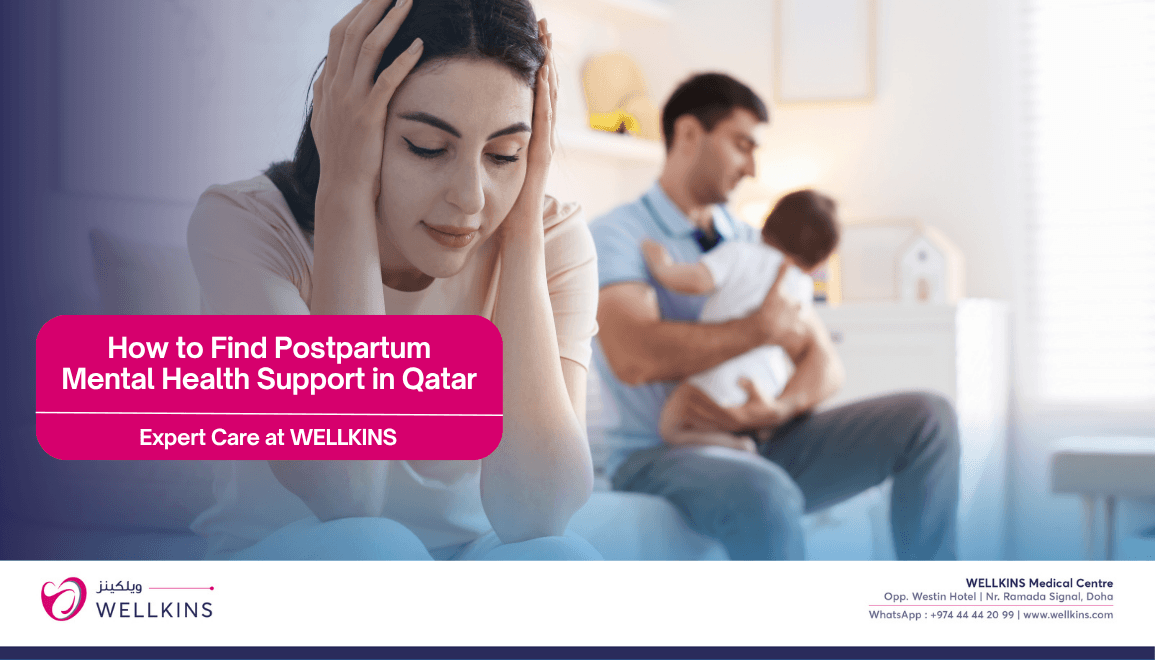
You do not have to love every moment of motherhood. You do not have to feel happy every day or have everything figured out. You are allowed to miss your previous routine, feel exhausted and ask for help.
Your baby needs care but that does not mean you must disappear as a person. You are still a woman, partner, daughter, professional or friend as well as a mother. Every part of you deserves compassion and support.
Final Thoughts
Motherhood does not begin and end with the baby’s health. A healthy mother matters too. Looking after mental health is not selfish because maternal wellbeing is part of caring for the whole family.
If you are struggling after childbirth, tell someone you trust and speak with a qualified healthcare professional. Sometimes the strongest thing a mother can say is, “I’m not okay and I need some help.” You do not have to walk through motherhood alone.
To book an appointment at Wellkins Medical Centre: https://wellkins.com/nikitha
To know more about the clinical psychology at Wellkins Medical Centre, Doha: https://wellkins.com/mentalhealth