
Author: Dr. Joanne Mae J Villanueva, (Specialist Pediatrics – Wellkins Medical Centre)
Iron deficiency anemia is one of the most common nutritional deficiencies in children worldwide and Qatar is no exception. Despite being entirely preventable and straightforwardly treatable once identified, a significant number of children with iron deficiency anemia remain undiagnosed for months or even years. The reason is not that the condition is invisible but that its symptoms arrive gradually and quietly, often mistaken for normal childhood behavior, developmental phase or simply a child’s individual temperament.
A pale, irritable, easily tired child who is struggling to concentrate at school and showing little interest in food is not necessarily just “going through a phase.” In Qatar’s diverse pediatric population, where dietary habits vary enormously across communities, where excessive cow’s milk intake is common among toddlers and where rapid growth during infancy and adolescence creates periods of particularly high iron demand, iron deficiency anemia is a condition that every parent in Doha should know how to recognize.
Iron deficiency anemia is one of the conditions I most want parents to know about because it is so common, so consequential and so entirely fixable once we find it. The challenge is that the symptoms are easy to miss or to attribute to other things. A child who seems tired, slightly pale and a little harder to settle than usual may simply be developing. Or they may have iron deficiency anemia that is quietly affecting their brain development, their immune function and their energy in ways that accumulate over time. A simple blood test tells us which one we are dealing with and the treatment is straightforward once we know.
People Also Ask
What is iron deficiency anemia in children?
Iron deficiency anemia occurs when the body does not have enough iron to produce adequate healthy red blood cells. Without sufficient hemoglobin the body’s tissues receive less oxygen than they need, leading to fatigue, pallor and a range of developmental and functional consequences. Infants, toddlers and adolescents are at particularly high risk because their rapid growth creates an elevated iron demand that diet does not always meet adequately. It is the most common nutritional deficiency in children globally and is consistently identified in Qatar’s pediatric population.
How do I know if my child has iron deficiency anemia?
The most commonly recognized signs include persistent unusual tiredness, pale skin particularly around the lips, gums and inside the lower eyelids, poor appetite, difficulty concentrating, unexplained irritability and in some children unusual cravings for non-food items including ice, chalk or dirt. However these symptoms are gradual in onset and easily mistaken for normal behavior, which is why many children are not identified until a blood test is done. If you notice several of these signs together or if your child has known risk factors for iron deficiency, a pediatric assessment and blood test is the most reliable way to confirm or exclude the diagnosis.
Can iron deficiency affect a child’s learning and development?
Yes and this is one of the most clinically significant reasons to identify and treat iron deficiency anemia early. Iron plays an essential role in brain development, myelin formation and the neurotransmitter systems that support attention, memory and learning. Untreated iron deficiency in infants and young children has been associated with delays in cognitive development, reduced attention span, poorer school performance and in some cases effects that persist even after the anemia is corrected. Early diagnosis and treatment is the most effective way to protect your child’s developmental trajectory.
What foods are best for preventing iron deficiency in children?
Animal-based iron sources including lean beef, chicken, fish and egg yolk provide haem iron which is the most efficiently absorbed form. Plant-based sources including lentils, beans, chickpeas, spinach and iron-fortified infant cereals provide non-haem iron which is absorbed less efficiently but can be significantly improved by pairing with vitamin C-rich foods. Pairing iron-rich meals with orange juice, tomatoes, bell peppers, strawberries or guava substantially increases the amount of iron absorbed from plant sources. Limiting cow’s milk to no more than 500ml per day after the first birthday prevents milk from displacing iron-rich foods from the diet.

What Is Iron Deficiency Anemia?
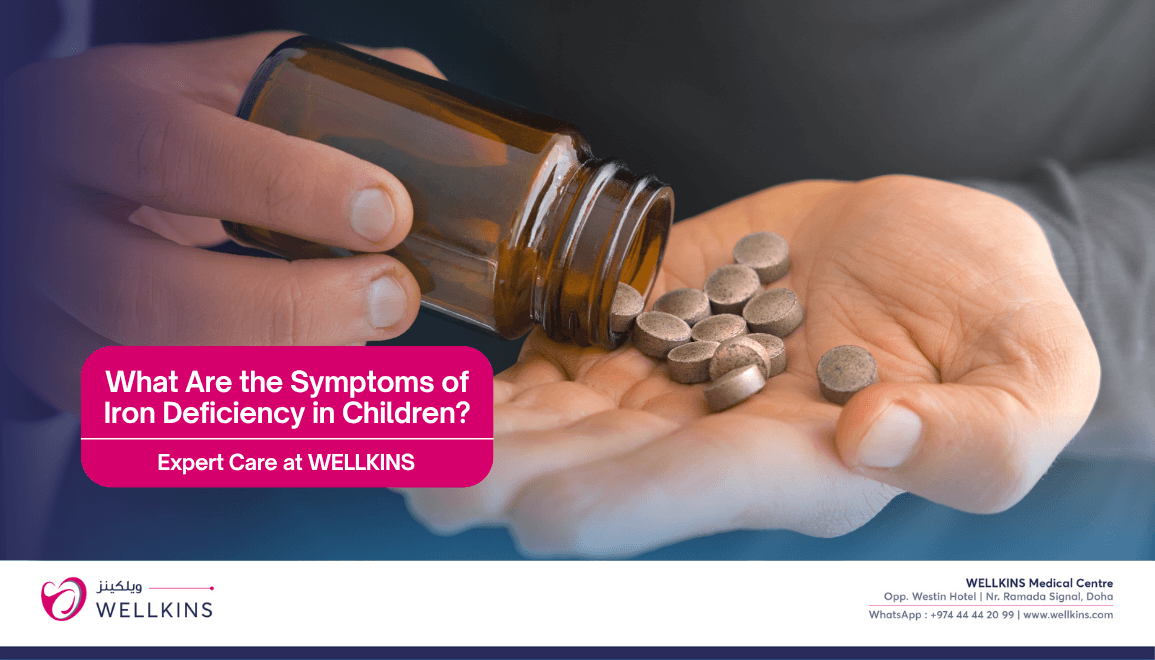
Iron deficiency anemia occurs when the body does not have enough iron to produce adequate healthy red blood cells and the hemoglobin within them. Hemoglobin is the protein in red blood cells that carries oxygen from the lungs to every tissue and organ in the body. When hemoglobin levels fall below the threshold for normal function, tissues receive less oxygen than they need and the broad range of symptoms associated with anemia follows.
Iron deficiency exists on a spectrum. In the early stages, iron stores in the body become depleted before hemoglobin levels fall significantly. This early stage, sometimes called iron depletion or iron deficiency without anemia, can still affect energy, immune function and brain development even when a standard blood count appears borderline normal. As deficiency progresses the hemoglobin level falls, producing the full picture of iron deficiency anemia.
Infants, toddlers and adolescents are at particularly high risk because these developmental periods are characterized by rapid growth that creates an elevated iron demand. Term infants are born with iron stores that last approximately four to six months, after which dietary iron becomes essential. Adolescents, particularly girls after the onset of menstruation, have increased iron requirements that diet frequently does not meet without conscious dietary attention.
In Qatar, specific dietary and cultural patterns contribute to the prevalence of iron deficiency anemia in children. The high intake of cow’s milk as a primary food and drink for toddlers, which both displaces iron-rich solid foods from the diet and in some children causes mild gastrointestinal blood loss, is among the most consistently identified risk factors in the clinic population at Wellkins.
Signs Every Parent Should Watch For
The following ten signs can indicate iron deficiency anemia in a child. No single sign is definitive on its own but the presence of several together, particularly in a child with known risk factors, warrants a pediatric assessment.
- 1. Persistent Tiredness: An unusual degree of sleepiness, a child who is easily exhausted by activities they previously managed comfortably, reduced motivation for play and a general lack of energy that is out of character for the child’s age and normal temperament. This is often the first and most noticeable sign for parents.
- 2. Pale Skin and Lips: Children with anemia often develop a noticeable pallor that is most visible around the face, lips, gums, nail beds and inside the lower eyelids. Pulling down the lower eyelid gently and looking at the inner surface is one of the simplest ways for a parent to assess pallor at home. A pale pink or whitish inner eyelid rather than a healthy red-pink color is a meaningful sign.
- 3. Poor Appetite: A child with iron deficiency may lose interest in eating or consistently eat much less than usual across weeks rather than simply going through the normal appetite variation all children show. Poor appetite and iron deficiency can create a cycle where reduced eating worsens the deficiency that is causing the reduced appetite.
- 4. Difficulty Concentrating: Iron is essential for brain development and for the function of the neurotransmitter systems that support attention. Children with iron deficiency may become forgetful, have increasing difficulty focusing in class, appear less engaged with learning or begin producing work below their previous standard at school. In Qatar’s academically demanding international school environment this decline in school performance is often one of the first signs that prompts parental concern.
- 5. Irritability: Unexplained fussiness, mood changes that seem disproportionate to the situation, increased difficulty soothing in younger children and a general emotional fragility that is out of character can all reflect the neurological and physiological impact of iron deficiency on a child’s developing brain and nervous system.
- 6. Delayed Growth and Development: Long-standing iron deficiency that remains undetected and untreated can affect both physical growth and cognitive developmental milestones. This is one of the most compelling arguments for identifying iron deficiency early rather than waiting until the anemia is severe and symptomatic.
- 7. Frequent Infections: Iron deficiency impairs the function of multiple components of the immune system including neutrophils and lymphocytes, making affected children more susceptible to recurrent infections. A child who seems to catch every illness circulating in their nursery or school and takes longer than expected to recover may have iron deficiency as a contributing factor alongside the close contact exposure of communal environments.
- 8. Pica: Eating Non-Food Items: Some children with iron deficiency develop cravings for and consumption of non-food items including ice, paper, chalk, clay, dirt or raw rice. This behavior, called pica, is a recognized clinical sign of iron deficiency that should always be mentioned to a pediatrician. In young children who cannot verbalize cravings, parents may notice the child repeatedly mouthing or eating materials they would not normally seek out.
- 9. Rapid Heartbeat or Shortness of Breath: In more severe anemia the heart compensates for the reduced oxygen-carrying capacity of the blood by beating faster. A child who develops a noticeably fast heartbeat during light activity or who becomes breathless during play that they previously managed without difficulty may have significant anemia warranting prompt assessment.
- 10. Brittle Nails or Hair Loss: Less common than the other signs but present in some children with chronic iron deficiency. Nails that crack, split or break easily and noticeable hair thinning or increased hair loss can reflect the impact of prolonged iron insufficiency on the health of rapidly dividing cells including those producing hair and nail tissue.
Which Children Are at Higher Risk?
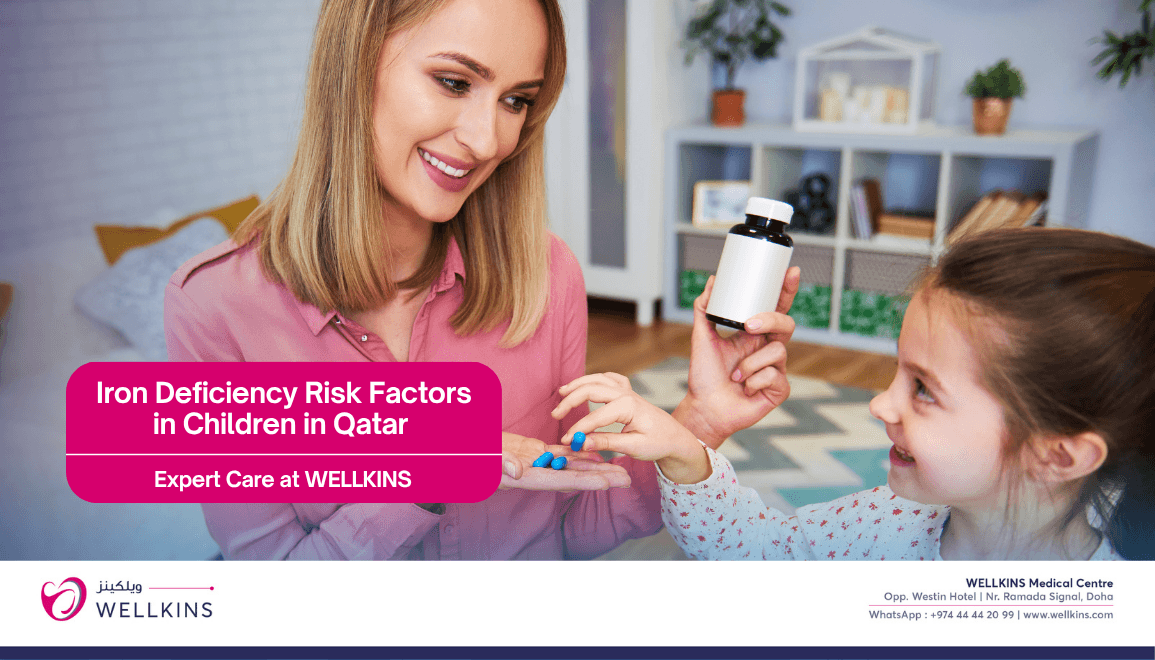
Children in Qatar may be at increased risk of iron deficiency anemia if they fall into any of the following categories. These are the children for whom proactive screening through a blood test rather than waiting for symptoms to become apparent is the most appropriate clinical approach.
- Excessive cow’s milk intake: More than 500ml of cow’s milk per day after the first birthday is the single most commonly identified dietary risk factor for iron deficiency anemia in toddlers. Milk is low in iron and fills a small stomach efficiently, displacing the iron-rich solid foods that should be the primary source of iron at this age.
- Picky or severely restricted eaters: Children who consistently refuse meat, legumes and fortified grains across weeks and months have a reduced dietary iron intake that over time creates deficiency. Iron-fortified infant cereals are an important dietary iron source for young children who are transitioning to solid foods and who may not yet accept a wide range of animal protein.
- Premature birth or low birth weight: Infants born preterm have reduced iron stores at birth compared to term infants because significant iron transfer from mother to baby occurs in the final trimester of pregnancy. Premature infants typically require iron supplementation beginning within the first weeks of life under pediatric guidance.
- Restrictive dietary patterns: Families following vegetarian or vegan dietary patterns without careful nutritional planning may have children whose iron intake from plant-based sources is insufficient without fortified foods or supplementation. Plant-based iron is less efficiently absorbed than haem iron from animal sources.
- Rapid growth periods: The first year of life and adolescence are the two periods of highest iron demand. During these windows, iron requirements increase substantially and dietary intake frequently does not keep pace without conscious attention to iron-rich food inclusion.
- Chronic medical conditions: Conditions affecting nutrient absorption including coeliac disease, inflammatory bowel disease and certain gut infections reduce the amount of iron absorbed from dietary sources regardless of how much iron is consumed.
Iron-Rich Foods and How to Improve Absorption
Dietary iron comes in two forms with very different absorption rates. Understanding the difference and using practical strategies to enhance absorption from plant sources makes a meaningful difference to a child’s iron intake across the day.
Animal sources providing haem iron (best absorbed):
- Lean beef
- Chicken and turkey
- Fish
- Liver offered occasionally as it is very high in iron but also very high in vitamin A and should not be given daily
- Egg yolk
Plant sources providing non-haem iron:
- Lentils and chickpeas, both widely used across Qatar’s diverse cuisine traditions
- Beans of all varieties
- Spinach and dark leafy greens
- Broccoli
- Iron-fortified infant cereals
- Oatmeal
Improving iron absorption from plant sources:
Pairing plant-based iron foods with vitamin C-rich foods at the same meal significantly increases the amount of non-haem iron absorbed. The vitamin C converts iron into a more soluble form that the gut absorbs more readily.
- Oranges and orange juice
- Strawberries and kiwi
- Tomatoes and bell peppers
- Guava, which is particularly rich in vitamin C and widely available in Qatar
Conversely, tea and coffee consumed during or immediately after iron-rich meals significantly reduce iron absorption through the binding action of tannins. In Qatar’s cultural context where tea is consumed frequently across many communities and where it is sometimes offered to young children, this is a practically relevant point for families whose children have iron deficiency or are at risk of it.
Can Iron Deficiency Affect Learning?
Yes and this connection deserves emphasis because it is the aspect of iron deficiency that has the most lasting consequences if the condition is not identified and treated early. Iron is required for normal brain development, for the production of myelin that insulates nerve fibers and for the dopamine neurotransmitter system that drives motivation, attention and working memory.
Research consistently demonstrates that untreated iron deficiency in infants and young children is associated with delays in cognitive development, reduced attention span, poorer performance in language and mathematics and in some studies effects on attention and learning that persist even after the iron deficiency has been corrected. This is the strongest argument for early identification and for not waiting until anemia is obvious and symptomatic before investigating.
Children in Qatar who are struggling at school, who are described by teachers as inattentive or who appear to be underperforming relative to their assessed intellectual ability should have iron deficiency considered and investigated as part of a broad developmental review rather than attributed solely to learning style or attention difficulties.
When Should Your Child Be Tested?
Your pediatrician may recommend a blood test to evaluate iron status if your child has any of the signs described above or any of the risk factors for deficiency. The following laboratory investigations are most commonly used.
- Complete Blood Count (CBC): Measures hemoglobin, hematocrit and red blood cell characteristics that indicate whether anemia is present and suggest its likely cause.
- Serum Ferritin: The most sensitive marker of iron stores in the body. Ferritin can be low and iron stores depleted before hemoglobin falls significantly, making it a useful early indicator of developing deficiency.
- Iron Studies: Including serum iron and total iron binding capacity, used when additional characterization of the iron deficiency is needed or when other causes of anemia are being considered.
Can Iron Deficiency Be Prevented?
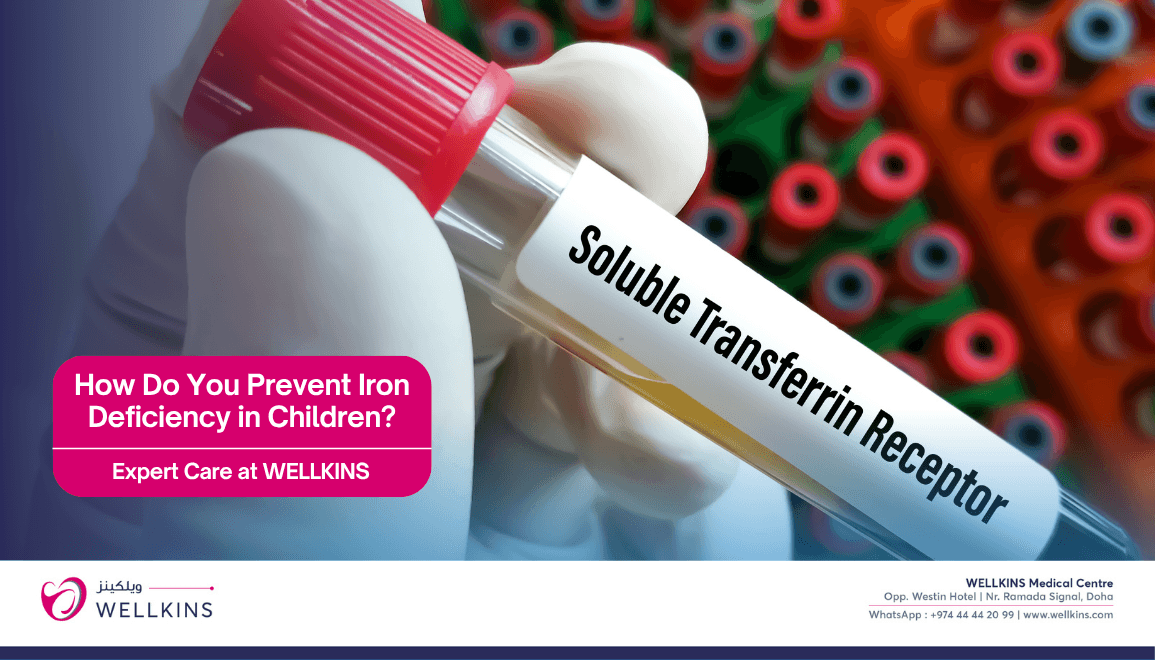
Absolutely. The majority of iron deficiency anemia in children is preventable through consistent attention to dietary iron and through regular pediatric monitoring that identifies falling iron stores before anemia becomes established.
- Introduce iron-rich foods from approximately six months of age: Iron-fortified infant cereals, pureed meat and mashed legumes are appropriate early solid foods that establish iron intake from the point when infant iron stores begin to decline.
- Limit cow’s milk to no more than 500ml per day after the first birthday: This is the single most impactful dietary intervention for toddler iron deficiency prevention. Milk consumed beyond this volume consistently displaces iron-rich solid foods and impairs iron nutrition.
- Offer a balanced diet including vitamin C-rich foods alongside iron sources: Building the habit of pairing iron-containing foods with vitamin C-rich foods at family meals is a practical strategy that significantly improves iron absorption across the diet.
- Attend regular well-child pediatric visits: Growth monitoring and risk factor assessment at routine pediatric visits is the mechanism through which children at higher risk of iron deficiency are identified and tested before symptoms become apparent.
- Follow pediatric guidance on iron supplementation when recommended: Never start iron supplements without confirming with your pediatrician that they are appropriate for your child’s specific situation. Too much iron causes gastrointestinal discomfort and at high doses can be genuinely harmful.
Healthy children start with healthy nutrition and enough iron is an essential part of growing strong, active and ready to learn. The goal of pediatric care at Wellkins is not simply to treat iron deficiency anemia when it arrives but to support the dietary foundations and the regular monitoring that prevent it from developing in the first place.
To book an appointment with Dr. Joanne Mae J Villanueva at Wellkins Medical Centre: https://wellkins.com/drjoanne
To know more about the Pediatric services at Wellkins Medical Centre: https://wellkins.com/pediatrics