
Author: Hafisa Hassankutty, (Clinical Psychologist – Wellkins Medical Centre)
When a relationship is struggling, couples therapy is often the last thing people try. Long after the arguments have become circular, the distance has grown and both partners are exhausted. Sometimes it is only suggested when one person is already quietly considering leaving.
This is one of the most consistently missed opportunities in mental health care. Because the research on couples therapy is genuinely encouraging and the earlier it is sought, the better the outcomes tend to be.
In Qatar, where cultural expectations around relationship privacy are strong, where the pressures of expatriate life and demanding work environments place considerable strain on partnerships and where the stigma around seeking any form of psychological support remains a real barrier for many communities, couples arrive at therapy having often waited far longer than they needed to. The consequences of that delay are measurable and they are reversible but only if the conversation eventually happens.
So is couples therapy worth it? Here is what the evidence actually says.
The couples I work with who have waited the longest to seek support are almost always the ones who describe wishing they had come sooner. By the time the crisis point arrives, both partners are carrying years of accumulated hurt, misunderstanding and distance that takes considerable work to address. The couples who come earlier, when the frustration is real but the connection is still accessible, tend to move through the process faster and with greater ease. If your relationship matters to you and something is not right, reaching out is not an admission of failure. It is the most invested thing you can do for something you value.
People Also Ask
Does couples therapy actually work?
Yes, and the evidence supporting it is stronger than most people realize. Approximately 70 percent of couples who complete a structured course of evidence-based couples therapy report significant improvement in their relationship satisfaction. Research also shows improvements in emotional connection, communication patterns, physical intimacy and individual mental health as outcomes of couples therapy, not just reduced conflict. Gains made in therapy tend to be durable with follow-up studies showing improvements are maintained for one to two years after therapy ends in the majority of cases.
When should couples seek therapy?
Earlier than most do. Research by Dr. John Gottman found that the average couple waits six years after problems begin before seeking help. By that point negative patterns are often deeply entrenched and resentment has accumulated significantly. Couples therapy sought in the early stages of difficulty is measurably more effective than therapy sought in the depths of crisis. If something in your relationship is not working and you have noticed it consistently for more than a few months, that is a reasonable and appropriate time to seek support.
What issues can couples therapy help with?
Couples therapy is useful across a much wider range of difficulties than most people realise. It helps with recurring arguments that do not resolve, emotional distance and disconnection, communication breakdown, the aftermath of infidelity, differences in parenting or financial values, loss of physical intimacy, major life transitions that have placed the relationship under strain and situations where one or both partners are experiencing depression or anxiety that is affecting the relationship. It can also support couples who want to decide together with clarity and kindness whether to stay or to separate.
Is couples therapy confidential?
Yes. Everything discussed in couples therapy sessions at Wellkins Medical Centre is confidential within the clinical relationship. The therapist does not share session content with anyone outside the therapeutic relationship. As with all therapy the specific circumstances in which confidentiality cannot be maintained, such as risk of serious harm, are explained clearly at the outset of the work so that both partners understand the framework from the beginning.
The Research Case for Couples Therapy
Couples therapy has been one of the most extensively researched areas in all of psychotherapy over the past four decades. The findings are consistent and meaningful.
- Relationship Satisfaction: Approximately 70 percent of couples who complete a structured course of evidence-based couples therapy report significant improvement in their relationship satisfaction. This is not a marginal or uncertain effect. It represents a genuinely strong treatment response by the standards of any clinical intervention.
- Broader Wellbeing Benefits: The effects of couples therapy extend beyond reducing conflict. Research shows improvements in emotional connection, communication patterns, sexual intimacy and individual mental health. Physical wellbeing also improves because the quality of our closest relationships is deeply linked to our broader health in ways that are physiologically documented.
- Impact on Children: Children in families where parents engage in couples therapy show measurable improvements in their own emotional and behavioural functioning. A healthier relationship between parents creates a healthier developmental environment for children. This is one of the most compelling and least discussed arguments for seeking couples support earlier rather than later.
- Durability of Gains: Follow-up studies show that improvements made in couples therapy are maintained for one to two years after therapy ends in the majority of cases, particularly when both partners engaged genuinely in the process. The skills and relational patterns developed in therapy become part of how the couple operates beyond the clinical setting.
For a form of treatment that many people remain sceptical about, the evidence base is surprisingly robust and consistently positive across multiple research methodologies and cultural contexts.
What Approaches Work Best?
Not all couples therapy is the same and the approach used makes a meaningful difference to outcomes. The most rigorously researched and consistently effective models include the following.
- Emotionally Focused Therapy (EFT): Developed by Dr. Sue Johnson, EFT focuses on the emotional bond between partners and the attachment patterns that drive conflict and disconnection. It is currently the most evidence-supported model for couples therapy with around 75 percent of couples achieving full recovery from relationship distress in clinical research trials. EFT is particularly effective for couples where emotional distance and insecure attachment are central to the difficulties.
- The Gottman Method: Developed from decades of observational research by Drs. John and Julie Gottman, this approach focuses on building friendship and intimacy, managing conflict constructively and creating shared meaning within the relationship. It is highly practical and skills-based and appeals to couples who want concrete tools alongside emotional understanding.
- Cognitive Behavioural Couples Therapy (CBCT): Applies CBT principles to relationship patterns, helping partners identify the thoughts, assumptions and behaviours that maintain their difficulties and develop new ways of responding to each other. CBCT is particularly useful where rigid belief systems or individual anxiety and depression are contributing significantly to the relational difficulties.
What these approaches share is a structured evidence-informed framework. Couples therapy is not simply a space to argue in front of a professional. The therapist’s role is active: guiding the conversation, interrupting unhelpful cycles, teaching new skills and helping each partner feel genuinely heard by the other rather than simply validated in their individual position.
What Problems Can Couples Therapy Help With?
Couples therapy is useful across a much wider range of difficulties than most people realise and it is worth being specific about this because many couples do not seek support because they do not think their situation is serious enough to warrant it.
- Recurring Arguments Without Resolution: Circular conflict patterns where the same arguments keep happening without resolution are one of the most common and most treatable presentations in couples therapy.
- Emotional Distance and Disconnection: A sense of having grown apart, of being housemates rather than partners or of no longer knowing each other in the way that felt natural earlier in the relationship.
- Communication Breakdown: Conversations that consistently escalate into conflict or shut down entirely without resolution, leaving both partners feeling frustrated and unheard.
- The Aftermath of Infidelity: Rebuilding trust, processing hurt and deciding together how to move forward after a breach of trust is one of the most complex and most rewarding areas of couples therapy when both partners are genuinely committed to the process.
- Differences in Parenting Approaches and Life Priorities: Significant differences in financial values, parenting decisions or long-term life direction that are creating sustained tension and undermining the sense of partnership.
- Loss of Physical Intimacy: A decline in sexual connection or physical closeness that has become a source of pain, distance or misunderstanding between partners.
- Individual Mental Health Affecting the Relationship: When one or both partners are experiencing depression, anxiety or trauma that is significantly shaping how they show up in the relationship.
- Major Life Transitions: A new baby, relocation, job loss or bereavement that has placed the relationship under strain it was not prepared to manage alone.
- Conscious Separation: Sometimes the most valuable outcome of couples therapy is a cleaner, kinder and more conscious decision to separate, particularly when children are involved. Therapy is not only for relationships that want to stay together.
When Is It Less Likely to Help?
Honesty matters here. Couples therapy is not equally effective in all circumstances and a good therapist will be transparent about this from the beginning.
- Ongoing Domestic Abuse or Coercive Control: Couples therapy is not appropriate and can in fact be harmful where there is domestic abuse or coercive control in the relationship. Individual safety must come first and the dynamics of abuse require individual rather than joint intervention. At Wellkins the initial assessment process is designed to identify these circumstances sensitively and to direct both partners toward the most appropriate form of support.
- One Partner Has Already Decided to Leave: Therapy requires genuine engagement from both people. A partner who is attending only to demonstrate that they tried is unlikely to find the process helpful and the therapist will address this dynamic directly and honestly.
- Active Untreated Addiction: When there is an active untreated addiction affecting one partner, the addiction typically needs to be addressed directly before relational work can meaningfully take root. Couples therapy can play a supportive role alongside addiction treatment but cannot substitute for it.
Why Do So Many Couples Wait Too Long?
Research by Dr. John Gottman found that the average couple waits six years after problems begin before seeking help. Six years. By that point negative patterns have often become deeply entrenched, resentment has accumulated significantly and both partners may have moved through the early stages of emotional withdrawal in ways that make reconnection more demanding.
This delay is driven by a range of understandable factors including stigma around seeking help, the hope that things will improve on their own, disagreement between partners about whether there is a real problem and the uncomfortable vulnerability of exposing the private world of a relationship to an outsider. In Qatar’s context, cultural expectations around relationship privacy and the perception that seeking external support is a sign of weakness compound this delay for many couples across the diverse communities living in Doha.
The evidence is clear: earlier intervention leads to significantly better outcomes. Couples therapy sought in the early stages of difficulty is measurably more effective than therapy sought in the depths of crisis. This does not mean it is too late if you have waited. It simply means that reaching out sooner is rarely a mistake.
What to Expect From the Process
A typical course of couples therapy runs between twelve and twenty sessions though this varies depending on the complexity of the difficulties and the specific goals of the couple. Sessions are usually held weekly or fortnightly and last fifty to sixty minutes.
- Initial Assessment: The first few sessions involve assessment, the therapist getting to know each partner individually as well as the relationship as a whole. This often includes understanding each person’s history, attachment style and the specific patterns that are creating difficulty. Some therapists include one individual session with each partner during this phase to understand each person’s perspective without the other present.
- Collaborative Work: The therapist does not take sides, does not assign blame and does not declare one partner right and the other wrong. Instead the focus is on the space between the two people: the patterns, the cycles, the unspoken needs and the ways each person’s responses trigger the other’s in predictable and changeable ways.
- What the Process Feels Like: It can be uncomfortable. It can bring things to the surface that have been buried for a long time. But for couples who engage honestly it is also frequently described as one of the most meaningful and connecting experiences they have shared. The act of being truly heard by both a therapist and a partner simultaneously is an experience many couples have not had in years.
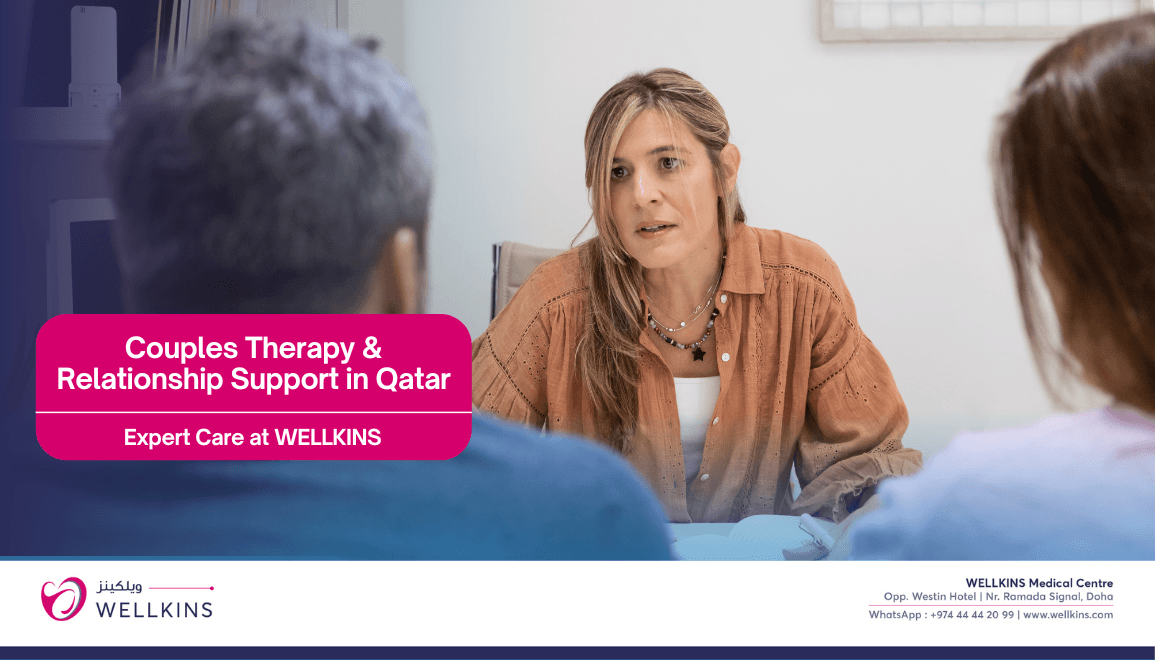
A Relationship Is Worth Investing In
A healthy intimate relationship is one of the strongest protective factors for both physical and mental health across a lifetime. The quality of our closest bond affects how we sleep, how we manage stress, how we experience daily life and how long we live. It shapes the environment in which our children grow. It colours the texture of every ordinary day in ways we often do not fully appreciate until the relationship is under strain.
Seeking support for a struggling relationship is not an admission of failure. It is an acknowledgment that something meaningful is worth the investment of honest effort and the willingness to be seen in a space where real help is possible.
Couples therapy, when sought with genuine commitment from both partners, works. The evidence says so clearly. And for many couples, the conversation that happens in a therapist’s room is the one that changes the direction of everything that follows.
If you and your partner are considering couples therapy and would like to explore whether it might be right for your situation, you are welcome to reach out to Wellkins Medical Centre. An initial consultation is available and the first conversation carries no obligation, only the possibility of something better.
To book an appointment at Wellkins Medical Centre: https://wellkins.com/mentalhealth