
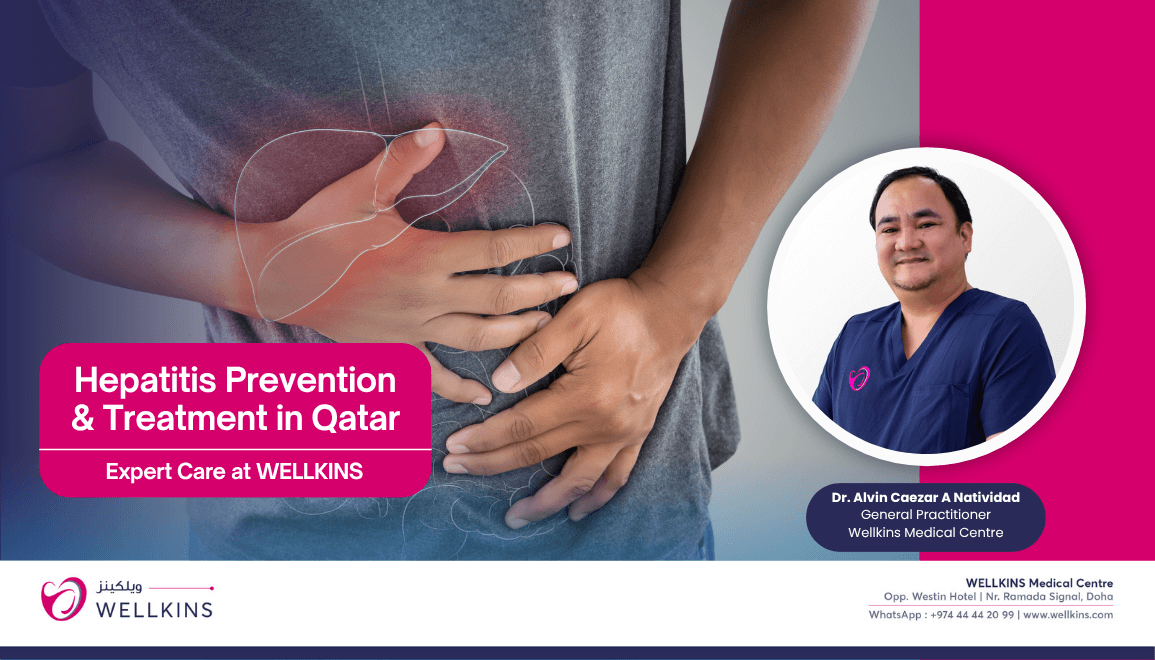
Author: Dr. Alvin Caezar A Natividad (General Practitioner – Wellkins Medical Centre)
Hepatitis a term that simply means “inflammation of the liver” is a critical global health concern that impacts millions worldwide. While it might seem distant, understanding this disease is vital for protecting yourself and your family here in Qatar. Because hepatitis often presents without symptoms in its early stages, proactive health management is essential.
Here is your essential guide to understanding what hepatitis is, its common forms, the risk factors and the critical steps you can take for prevention.
What is Hepatitis and Why is the Liver So Important?
The liver is one of the body’s most essential and hardworking organs, often called the body’s largest internal factory. It performs hundreds of functions every second, critical for survival and daily wellness, including:
- Detoxification: Filtering toxins, chemicals, and old blood cells from the blood.
- Metabolism: Processing nutrients (fats, proteins, and carbohydrates) and managing blood sugar levels.
- Production: Producing bile for digestion and synthesizing crucial proteins, including those responsible for regulating blood clotting.
Hepatitis occurs when the liver becomes inflamed, damaging its cells and severely disrupting these vital functions. This damage is particularly concerning because the liver has a remarkable capacity to regenerate, but chronic, unceasing inflammation can exhaust this ability. If left untreated, chronic inflammation can lead to progressive liver scarring (cirrhosis), which is irreversible, and ultimately liver failure or liver cancer (Hepatocellular Carcinoma). The disease is insidious because initial symptoms like fatigue or mild fever are often mistaken for the common flu.
“Hepatitis causes silent damage that often becomes irreversible by the time symptoms appear. Protecting your liver is crucial self-care, demanding a proactive approach rather than a reactive one. Be informed about your specific risk factors and ensure you’re up to-date on necessary vaccinations for your age and lifestyle. Prioritizing these preventative steps helps maintain the health of this vital organ, ensuring it can continue its complex work of detoxification and regulation for years to come.
What are the symptoms of hepatitis?
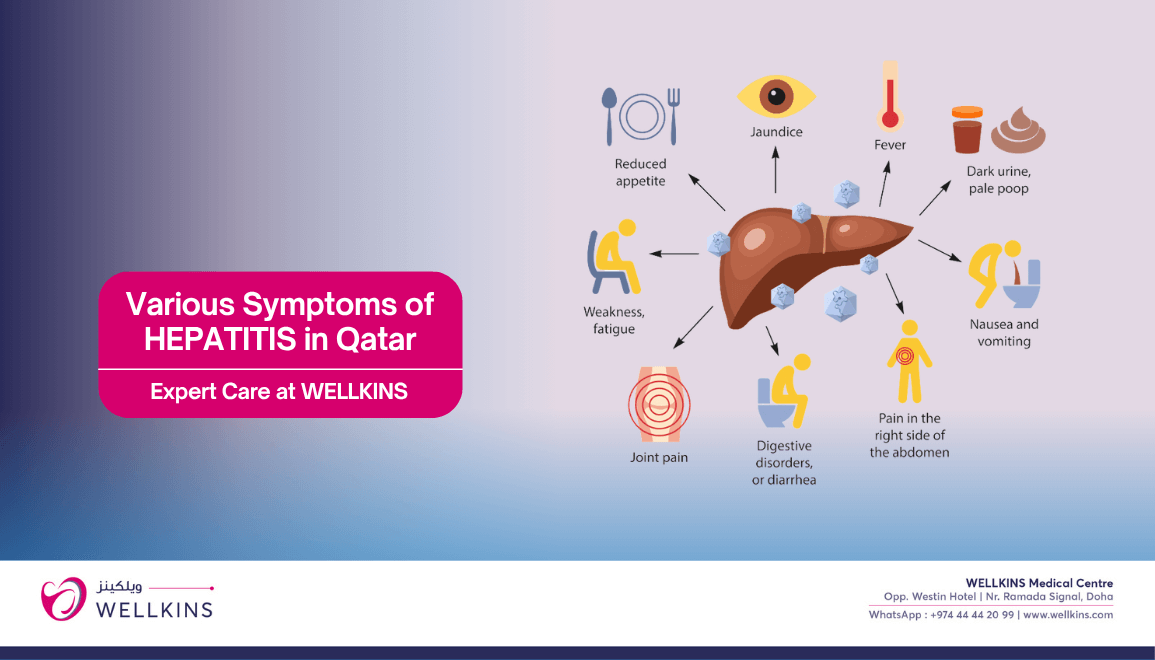
Hepatitis can be sneaky. You may not notice changes in your body right away. When you do, you may notice symptoms like:
- Diarrhea
- Fatigue
- Feeling weak or generally uncomfortable
- Fever (if you have a viral infection)
- Nausea or loss of appetite
- Pain on the right side of your upper belly
You may have other symptoms if you have chronic hepatitis that does more damage to your liver. Chronic hepatitis symptoms include:
- Confusion, disorientation or drowsiness (hepatic encephalopathy)
- Dark-colored pee and light colored poop
- Itchy skin (pruritus)
- Yellowish skin or a yellow tint to the whites of your eyes (jaundice)
The A, B, and C of Viral Hepatitis: The Main Culprits
While hepatitis can be caused by excessive alcohol use, certain medications (like high doses of paracetamol), or autoimmune diseases, the most common and widely feared forms are caused by viruses. We primarily focus on five distinct viruses: Hepatitis A, B, and C, as they account for the vast majority of infections globally.
Understanding the Viral Types of Hepatitis: HAV, HBV, and HCV
Viral hepatitis is categorized into distinct types based on the causative virus, each with unique transmission routes, chronic risks, and specific prevention strategies.
1. Hepatitis A (HAV)
Hepatitis A is generally considered the mildest form of viral hepatitis, causing an acute, self-limiting infection. This means the body’s immune system typically clears the virus completely on its own, usually within a few weeks or months, and does not lead to chronic disease or long-term liver damage.
Transmission Route: The virus is transmitted primarily through the fecal-oral route. This occurs via consuming contaminated food or water, especially in areas with poor sanitation, or through close personal contact with an infected person.
Risk of Chronic Disease: No risk. Once a person recovers from Hepatitis A, they develop lifelong immunity.
Prevention: The Hepatitis A vaccine is highly effective and safe. We strongly recommend it for all children as part of routine immunization, as well as for adults who are traveling to regions where the virus is common.
2. Hepatitis B (HBV)
Hepatitis B is a major global health concern because it can establish a chronic infection that progressively damages the liver over decades.
Transmission Route: HBV is spread through contact with blood, semen, and other body fluids. Common routes include sexual contact with an infected person, sharing contaminated needles (for drug use or medical procedures), and mother-to child transmission during childbirth.
Risk of Chronic Disease: High risk, particularly when the infection is acquired early in life (infancy or early childhood). Chronic HBV infection significantly increases the risk of developing liver cirrhosis and liver cancer.
Prevention: Vaccination is the cornerstone of prevention and provides excellent protection. It is routinely administered to infants and is strongly recommended for all at risk adults. Screening is also critical to identify people who are silent carriers of the virus, allowing for monitoring and timely treatment to prevent long term damage.
3. Hepatitis C (HCV)
Hepatitis C is the most common cause of chronic viral liver disease and is particularly challenging because the body often fails to clear the infection naturally.
Transmission Route: HCV is primarily spread through blood-to blood contact. The most common routes include sharing needles (for injecting drugs) and, historically, receiving blood transfusions or organ transplants before modern screening measures were implemented. Transmission through unsterile medical equipment can also occur.
Risk of Chronic Disease: Very High Risk. The majority of individuals infected with HCV will develop chronic infection, which often leads to severe cirrhosis and potential liver failure over a period of 20 to 30 years.
Prevention: Currently, there is no vaccine available for Hepatitis C. Therefore, Screening is essential for diagnosis, particularly for at-risk populations. The positive
The Importance of Prevention and Screening in Qatar
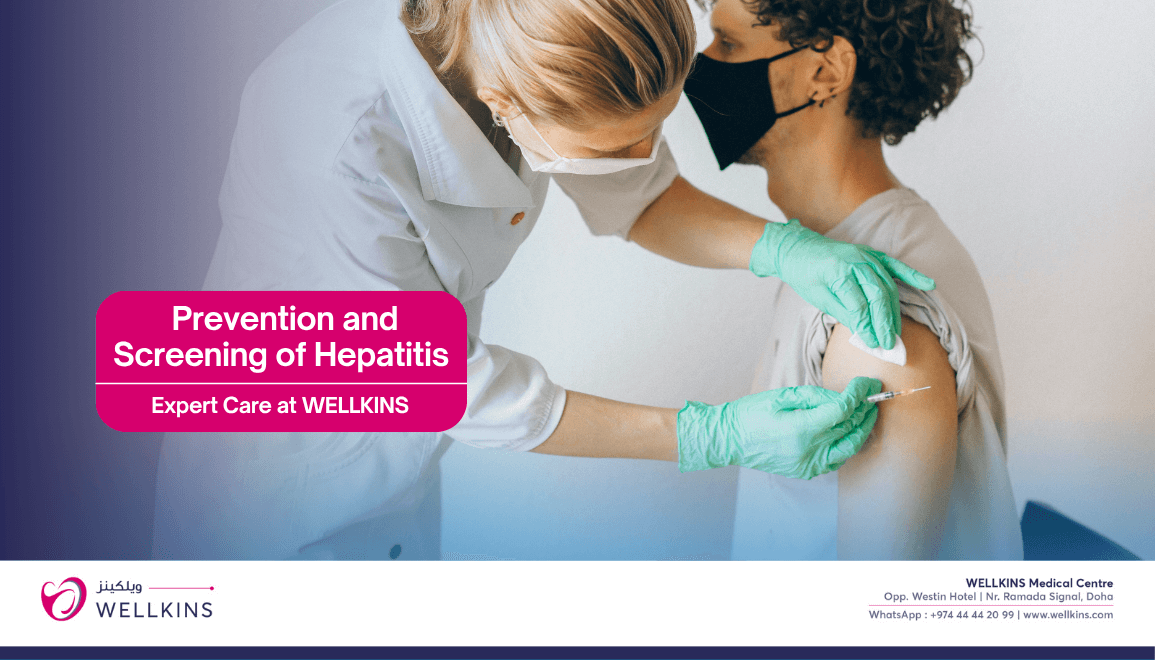
In a vibrant, cosmopolitan hub like Doha, proactive screening and prevention are your best defense against the transmission and progression of hepatitis. Our protocols are designed to identify risk factors and protect vulnerable groups.
1. Vaccination: Your Strongest Shield
Vaccination offers the best long-term protection against the most common types of acute and chronic viral hepatitis.
Hepatitis A Vaccine: Highly recommended for all children, travelers to endemic areas, and individuals with existing chronic liver disease (from any cause) to prevent acute illness.
Hepatitis B Vaccine: This is the standard of care globally and is routinely given as a three-dose series to infants. It is highly recommended for all unvaccinated adults, particularly those in high-risk categories such as healthcare workers, people with multiple sexual partners, and people with diabetes. Completing the full course provides long-lasting immunity, which can be confirmed by a simple antibody blood test.
2. Safe Practices and Lifestyle Choices
A/E Prevention: Maintain excellent personal hygiene, emphasizing frequent handwashing after using the restroom and before preparing food. When traveling, adhere to “boil it, cook it, peel it, or forget it” rules for food and water safety.
B/C Prevention: Avoid sharing personal items that might carry microscopic traces of blood (razors, toothbrushes, nail clippers). Always ensure any piercings, tattoos, or necessary medical procedures are performed using strictly sterile equipment.
3. Screening: The Key to Early Treatment
Since chronic Hepatitis B and C often show no symptoms for years a period sometimes referred to as a “silent infection” screening is a non negotiable component of preventative care.
Who Needs Screening?: Screening is recommended for anyone who has received a blood transfusion before 1992 (when screening protocols were less advanced), people who have ever injected drugs, individuals with persistently abnormal liver enzyme tests, and children born to infected mothers. New guidelines also recommend one-time screening for all adults born between 1945 and 1965 due to higher historical exposure rates.
Hepatitis C: The medical landscape for HCV has advanced dramatically. While there is no vaccine, modern, short-course oral medications can cure over 95% of chronic HCV infections, effectively stopping the viral damage before it can progress to cirrhosis or cancer. This cure highlights why screening is so critical: early detection means a guaranteed cure and a saved liver.

Take Control of Your Liver Health at Wellkins
Your liver is resilient, but its reserve capacity means that when symptoms do appear, the disease is often advanced. Addressing hepatitis through awareness, targeted vaccination, and proactive screening is the ultimate form of preventative care and the best defense against long-term liver damage.
At Wellkins Medical Centre, we offer a complete approach to liver health:
- Inclusive Blood Screening for all common types of viral hepatitis (A, B, and C)
- Hepatitis A and B Vaccinations for infants, children, and adults, ensuring optimal immunity levels.
- Expert Consultation with our Internal Medicine teams to interpret results and initiate immediate, effective treatment protocols, including connecting patients with the latest curative options for Hepatitis C.
Don’t wait for silent damage to occur. Hepatitis often progresses stealthily, meaning that by the time severe symptoms appear, significant and irreversible harm to the liver may have already taken place. At Wellkins Medical Centre, we will guide you to protecting your liver and securing your long term health. Also it is an act of crucial self-care. It means moving from a reactive approach to a proactive one. Ensure you are informed about your risk factors and aware of which vaccinations are necessary for your age and lifestyle. Maintaining a strong, healthy liver supports virtually every bodily function, from energy levels to immunity. Prioritizing these preventative steps ensures your liver, a vital organ, can continue its complex work of detoxification and regulation for years to come.
To book an appointment at Wellkins Medical Centre: https://wellkins.com/visit