
Author: Dr. Ayisha Anwar, (General Practitioner – WELLKINS Medical Centre)
If you have ever mentioned high protein and health in the same sentence, chances are someone warned you about uric acid. A well-meaning relative, an outdated fitness article or a quick search online will often lead you to the same conclusion: eating more protein sends your uric acid levels skyrocketing, and the dreaded world of gout is just around the corner.
It is a narrative that has been repeated so often it has taken on the weight of medical fact. Patients come into Wellkins Medical Centre having cut out chicken, avoided eggs and given up their post-workout protein shakes, all out of concern for uric acid levels that are, in many cases, perfectly normal.
Here is what the science actually says: the blanket statement that high protein leads to high uric acid is a significant oversimplification, and in many cases it is simply wrong. Understanding the real relationship between protein, purines and uric acid changes everything about how you approach your diet.
This is one of the most persistent nutritional myths I encounter in general practice. Patients cut out eggs, avoid lean meats and reduce protein intake based on a fear of uric acid that is not supported by current evidence. What the research actually shows is that the primary drivers of high uric acid are fructose, alcohol and poor metabolic health, not the chicken breast or the Greek yoghurt. Getting this distinction right matters enormously because the dietary changes that actually protect your uric acid levels are very different from the ones most people are making.
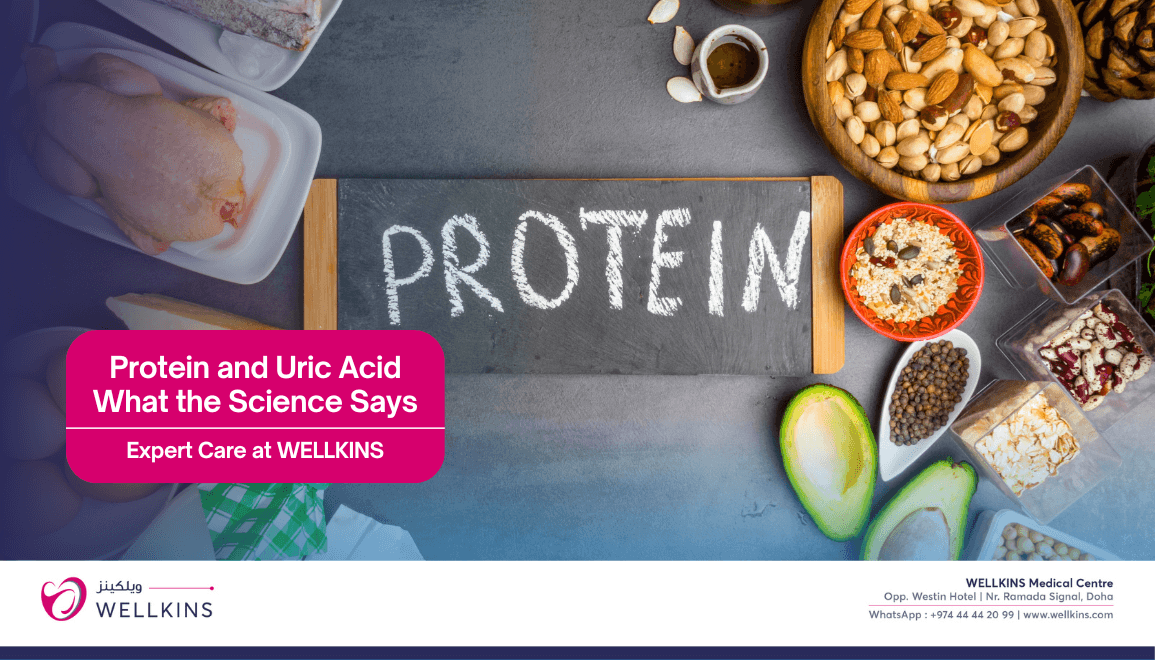
Understanding the Real Link: Purines, Not Simply Protein
To understand why the protein myth exists at all, you first need to understand where uric acid actually comes from. Uric acid is a natural byproduct of the breakdown of purines, chemical compounds found in many foods and produced naturally by the body as part of normal cell turnover. When purines are metabolised, uric acid is the end product. The kidneys then filter it from the blood and excrete it in urine.
The problem arises when uric acid is produced faster than the kidneys can clear it, causing levels to build up in the bloodstream. In some people this leads to the formation of urate crystals in the joints, which is the cause of the intense pain associated with gout.
Now, purines are found in many protein-rich foods. But this is where the story becomes far more nuanced than the myth allows.
- Animal Proteins High in Purines: Organ meats including liver and kidneys, sardines, anchovies and certain shellfish are genuinely high in purines and can raise uric acid levels when consumed in significant quantities. These are the foods that deserve caution for people with a history of gout or hyperuricemia.
- Everyday Animal Proteins: Lean meats like chicken breast, turkey, eggs and most cuts of beef contain moderate purine levels that do not significantly elevate uric acid in people with healthy kidney function. The fear around these foods is largely unsupported by clinical evidence.
- Plant-Based Proteins: Beans, lentils, chickpeas and peas do contain purines, but multiple studies have shown that plant-based purines do not increase the risk of gout or produce meaningful spikes in uric acid. The fibre, antioxidants and alkalising effect of plant proteins appear to offset any purine-related concern.
- Dairy Proteins: This is perhaps the most surprising finding in the research. Dairy products including whey protein, casein, low-fat milk and yoghurt have actually been shown to lower uric acid levels by improving the efficiency with which the kidneys excrete it. Dairy is not the enemy. For many people it is a genuine ally.
The Real Culprits Behind High Uric Acid
If lean protein is not the primary driver of elevated uric acid, what is? The research is remarkably consistent on this point, and the real triggers are ones that many people in Qatar and across the Gulf consume in large amounts daily without connecting them to joint or kidney health at all.
1. Fructose and Sugary Drinks
Fructose is one of the most powerful dietary triggers of uric acid production known to nutritional science. Unlike other carbohydrates, fructose is metabolised almost exclusively in the liver, and this metabolic process directly stimulates uric acid synthesis. The effect is rapid and measurable.
- The Primary Source: High-fructose corn syrup, found in soft drinks, energy drinks, packaged juices and many processed foods, is the single largest dietary contributor to elevated uric acid in modern diets.
- The Qatar Context: Consumption of sugary drinks in the Gulf region is among the highest in the world. If you are concerned about uric acid and you drink a can of soda daily, that soda is almost certainly doing more harm than the grilled chicken on your plate.
2. Alcohol, Especially Beer
Alcohol raises uric acid through two simultaneous mechanisms, which is why its effect is disproportionately large compared to most other dietary factors.
- Double Impact: Beer is high in purines from the fermentation process and alcohol itself inhibits the kidneys from excreting uric acid efficiently. The combined result is both increased production and decreased clearance at the same time.
- All Alcohol Carries Risk: While beer is the most significant offender, spirits and wine also impair uric acid excretion. For anyone with gout or elevated uric acid, alcohol reduction is one of the highest-impact interventions available.
3. Metabolic Health and Insulin Resistance
This is the factor most often absent from popular discussions about uric acid, yet it is among the most clinically significant.
- The Insulin Connection: When insulin levels are chronically elevated, as they are in insulin resistance and early type 2 diabetes, the kidneys retain uric acid rather than excreting it. High uric acid and insulin resistance share the same metabolic environment and each worsens the other.
- Weight and Metabolic Syndrome: Obesity and metabolic syndrome are more strongly correlated with hyperuricemia than protein intake alone. Addressing body composition and insulin sensitivity produces more meaningful and lasting reductions in uric acid than restricting lean protein ever will.
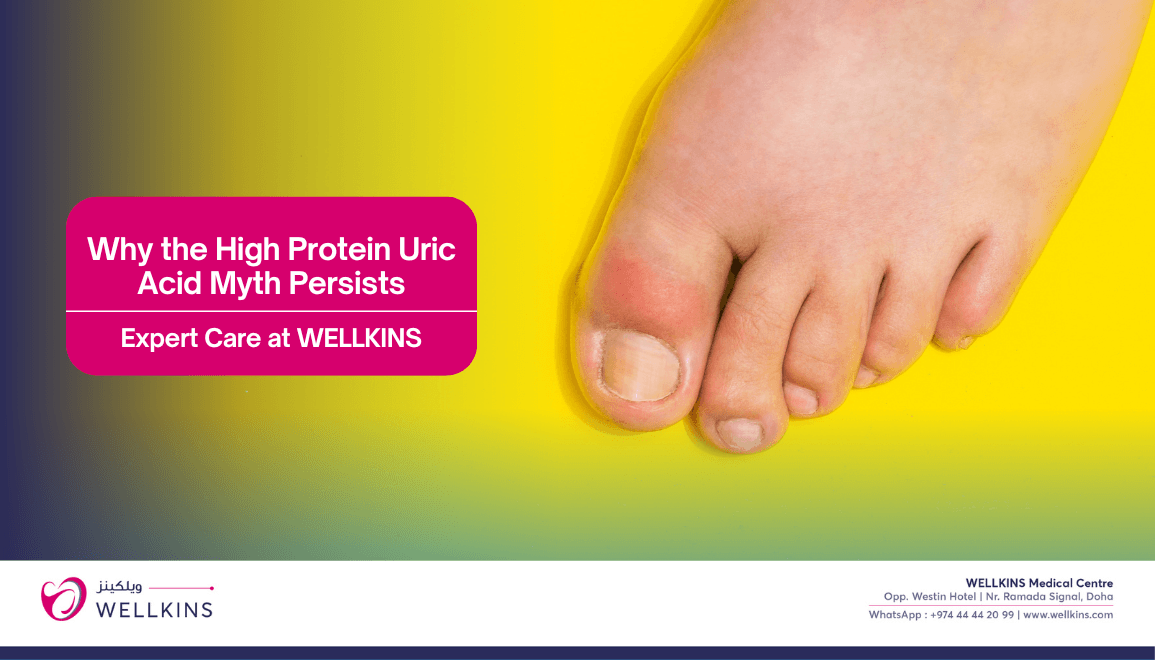
Why the Protein Myth Has Survived This Long
Understanding why a myth survives despite the evidence is often as useful as debunking it. The protein-uric acid connection has roots in observational data from the mid-twentieth century, when individuals eating what was called a high protein diet were typically also consuming significant quantities of alcohol, organ meats, refined sugars and processed foods. These dietary patterns clustered together and gout was common among them.
Early researchers saw the correlation between high food intake and high uric acid and drew conclusions that seemed logical at the time. As nutritional science refined its methods and began controlling for individual variables, the picture changed considerably. The purines in organ meats, the fructose in sweetened drinks and the metabolic effects of alcohol emerged as the primary culprits. Lean protein was largely exonerated.
The myth persisted because it was simple, it had been repeated for decades and it placed the blame on something people could easily identify and restrict. Telling a patient to cut out red meat is a more concrete instruction than explaining insulin resistance and fructose metabolism. Simplicity, unfortunately, often outlasts accuracy in popular health advice.
The verdict from current evidence is clear: a high protein diet built around lean meats, poultry, fish, eggs, dairy and plant-based sources is safe for uric acid levels in the vast majority of people. The combination of these proteins with a low-sugar lifestyle is not just safe but actively protective of metabolic health overall.
How to Keep Your Uric Acid in Check Without Sacrificing Protein
For anyone who is actively increasing their protein intake or who has a personal or family history of gout, the following practical steps provide genuine protection without unnecessary dietary restriction.
- Hydrate Consistently and Generously: Uric acid is water-soluble. The more adequately hydrated you are, the more efficiently your kidneys filter and excrete uric acid from the bloodstream. In Qatar’s heat, where dehydration is a daily reality for many people, this step alone carries significant weight. Aim for two to three litres of water daily and more on active or particularly hot days.
- Reduce Sugary Drinks Before Reducing Protein: If your uric acid levels are elevated and you consume soft drinks, packaged juices or sweetened teas regularly, eliminating those is the single highest-impact dietary change you can make. Cutting fructose consistently produces greater reductions in uric acid than removing lean protein ever will.
- Include Dairy in Your Daily Routine: Low-fat Greek yoghurt, cottage cheese, milk and whey protein are not only safe for uric acid but actively beneficial. The proteins in dairy enhance renal uric acid excretion and have a measurable protective effect in people at risk of gout. A daily serving of low-fat dairy is a straightforward and evidence-backed addition to your diet.
- Be Specific About Which Animal Proteins You Limit: Rather than avoiding all meat, focus on the genuinely high-purine sources. Organ meats, sardines, anchovies and certain shellfish are the animal proteins that warrant genuine moderation in people with elevated uric acid. Chicken, turkey, eggs and most cuts of beef can remain part of a balanced diet without concern for the majority of people.
- Address Metabolic Health as a Priority: If you carry excess weight around the abdomen, have been told your blood sugar or insulin is elevated or have a diagnosis of metabolic syndrome, addressing these factors will do more to normalise your uric acid than any individual food restriction. Regular exercise, reducing refined carbohydrates and managing body weight are the most powerful levers available.

When to Get Your Uric Acid Checked
Many people with elevated uric acid have no symptoms at all until a gout attack occurs or kidney stones develop. Routine blood testing is the only reliable way to know where your levels stand. You should consider a uric acid check as part of a complete health screen if:
- You have experienced sudden severe joint pain, particularly in the big toe, ankle or knee.
- You have a family history of gout or kidney stones.
- You have been diagnosed with obesity, type 2 diabetes, high blood pressure or metabolic syndrome.
- You consume alcohol regularly or have a high intake of sugary drinks.
- You are beginning a significant dietary change including a high-protein or low-carbohydrate nutritional plan.
A simple blood test gives you a clear baseline and, in combination with a full metabolic panel, paints a comprehensive picture of where your health stands and what, if anything, needs attention.
Do not let an outdated myth take something genuinely beneficial away from your diet. Protein supports muscle maintenance, satiety, metabolic health and long-term weight management. The evidence firmly supports keeping it in your daily routine. What deserves your attention instead is the sugar in your drinks, the quality of your metabolic health and the specific high-purine foods that are genuinely worth moderating.
At Wellkins Medical Centre, Dr. Ayisha Anwar and the general practice team provide evidence-based nutritional guidance, uric acid screening and comprehensive metabolic health assessments tailored to each patient. If you have concerns about your diet, your joint health or your uric acid levels, a consultation will give you the clarity and the personalised plan you need.
To book an appointment at Wellkins Medical Centre: https://wellkins.com/visit