
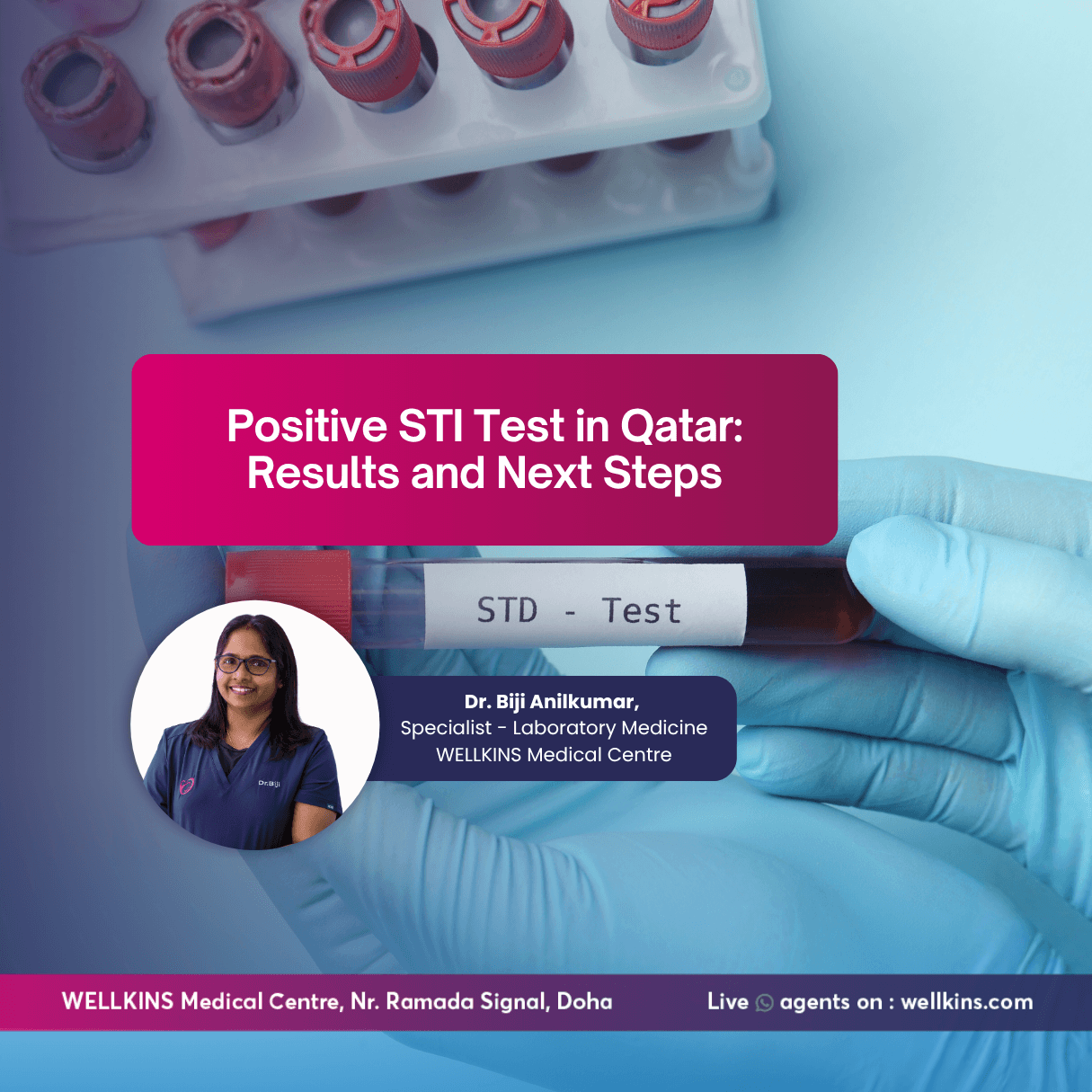
Receiving a positive sexually transmitted infection screening result can bring uncertainty, fear and many immediate questions. You may wonder whether the result is final, whether treatment is available and what it means for your current or previous partners.
A positive result deserves timely medical attention but it is not a reason to panic or feel ashamed. Sexually transmitted infections are health conditions. Many can be cured with appropriate treatment and others can be effectively managed with ongoing medical care.
The meaning of the result depends on the infection tested, the type of sample and whether the test was intended for initial screening or confirmation. This guide explains the usual next steps after a positive STI screening result without replacing an individual review by a qualified healthcare professional.
A positive STI screening result is the beginning of a clinical process rather than the end of one. The report must be interpreted in relation to the test method, symptoms, exposure history and timing. Some positive results identify an infection directly while certain reactive screening tests require confirmation. The safest next step is a confidential medical review so that any necessary confirmation, treatment, partner guidance and follow-up testing can be planned correctly.
People Also Ask
Does a positive STI screening result always confirm an infection?
Not always. Some laboratory tests detect an infection directly and may be considered diagnostic in the appropriate clinical setting. Other screening tests are reported as reactive and may require a different confirmatory test before a final diagnosis is made.
What should I do after receiving a positive STI result?
Arrange a confidential medical review and follow the instructions provided with the report. Avoid self-treatment and ask whether you need confirmation, treatment, testing for other infections, partner notification or follow-up testing.
Can an STI be treated successfully?
Many bacterial and parasitic STIs can be cured with the correct medication. Viral infections may not always be curable but treatments can control the infection, protect long-term health and reduce the likelihood of transmission.
Should my partner get tested if my STI result is positive?
A current or recent sexual partner may need evaluation, testing or treatment depending on the infection and timing of contact. A healthcare professional can explain which partners should be informed and how to reduce the risk of reinfection.

What Does a Positive STI Result Actually Tell You?
A positive result generally means that the laboratory detected evidence related to the infection being tested. Depending on the test, this evidence may be the organism itself, its genetic material, an antigen produced by the organism or antibodies made by the immune system.
The report should not be interpreted using the word “positive” alone. The test name, specimen type, reference comments and testing method all matter. Results should also be considered alongside symptoms, previous treatment, vaccination history and the time that has passed since a possible exposure.
A positive result for one infection does not mean that every STI is present. It also does not show when the infection was acquired or identify who transmitted it. Many infections remain unnoticed for a long time because they may cause no symptoms.
Positive, Reactive and Confirmed: Are They the Same?
Laboratory reports may use words such as positive, detected or reactive. These terms can have different meanings depending on the infection and the testing process used by the laboratory.
Understanding this distinction helps prevent unnecessary panic and ensures that treatment decisions are based on an appropriately interpreted result.
When a Screening Result Needs Confirmation
A screening test is designed to identify people who may have an infection. Some highly sensitive screening tests can occasionally react for reasons other than an active infection, particularly when the likelihood of infection is low.
For this reason, a reactive screening result for infections such as HIV, syphilis or hepatitis C may be followed by a different test or testing sequence. The follow-up test helps distinguish a preliminary reactive result from a confirmed diagnosis.
This does not mean that the first result should be ignored. It means the result must be completed through the recommended laboratory and clinical pathway before conclusions are made.
When a Positive Result May Identify the Infection Directly
Molecular tests can detect genetic material from organisms such as chlamydia, gonorrhea or trichomonas. A detected result may provide strong evidence of infection when the correct specimen was collected and the result fits the clinical situation.
Even then, medical review remains important. The clinician must select treatment based on the organism, pregnancy status, allergies, symptoms, possible infection sites and relevant treatment guidance.
Can an STI Test Produce a False-Positive Result?
No laboratory test is perfect. A false-positive result means that a test appears positive even though the infection is not actually present. This can occur but the likelihood differs between tests and clinical situations.
Unexpected results should be reviewed rather than dismissed or accepted without context. A healthcare professional may check the test method, arrange confirmation, request a fresh sample or consider whether previous treatment could affect interpretation.
Do not repeat multiple unrelated tests on your own in an attempt to obtain a preferred answer. Testing should follow an appropriate sequence so that apparently conflicting results can be interpreted correctly.
What Should You Do First After a Positive STI Result?
Take the following practical steps:
- Read the report carefully but avoid interpreting it without professional guidance
- Arrange a confidential review with a qualified healthcare professional
- Ask whether the result is preliminary, reactive or confirmed
- Check whether an additional sample or confirmatory test is required
- Inform the clinician about symptoms, pregnancy, allergies and current medication
- Ask whether testing for other STIs is recommended
- Follow advice about sexual contact until assessment and treatment are complete
If the result was received through a screening package, bring or securely share the complete report during the consultation. A screenshot of one value may leave out comments or test details needed for accurate interpretation.
Why You Should Not Self-Treat an STI
Do not use leftover antibiotics or medication prescribed for another person. Different infections require different medicines and some symptoms that resemble an STI may have another cause.
Incorrect treatment can delay appropriate care, cause side effects and contribute to antimicrobial resistance. It may also reduce symptoms without reliably clearing the infection, making later assessment more difficult.
Does a Positive STI Result Mean You Will Have Symptoms?
No. Many STIs cause mild symptoms or no symptoms at all. A person can have chlamydia, gonorrhea, HIV, hepatitis or another infection while feeling completely well.
The absence of symptoms does not make a positive result unimportant. Untreated infection may still be transmitted and some infections can lead to complications involving fertility, pregnancy, the liver, the immune system or other organs.
What Treatment May Be Recommended?
Treatment depends entirely on the infection and the individual patient. Bacterial infections such as chlamydia, gonorrhea and syphilis are treated with specific antibiotics. Trichomoniasis is treated with an appropriate antiparasitic medicine.
Viral infections require different approaches. HIV can be controlled with antiretroviral therapy. Hepatitis B and C require medical assessment because management depends on the virus, stage of infection and liver health. Some hepatitis C infections can be cured with antiviral treatment.
Complete medication exactly as prescribed even if symptoms improve. Ask the treating clinician how long to avoid sexual contact and whether a test of cure or later retesting is needed.
Should You Avoid Sexual Contact?
Avoiding sexual contact may be advised until assessment is complete and any required treatment has been finished. The recommended period differs according to the infection and treatment provided.
Using a condom can reduce the risk of transmission but may not provide complete protection against infections spread through skin-to-skin contact. Follow the specific advice given by the treating healthcare professional.
Do Sexual Partners Need to Know?
Partner notification allows people who may have been exposed to seek testing and treatment. It also reduces the risk of passing the infection back to a person who has already completed treatment.
The number of partners who should be contacted and the period that should be considered depend on the infection. A healthcare professional can explain the appropriate approach and help you communicate the information without blame.
A positive result does not reliably reveal when an infection began or which partner had it first. Avoid making assumptions about the timing or source based only on the laboratory report.
Will You Need Testing for Other STIs?
Possibly. Having one STI may indicate exposure circumstances in which another infection could also have been transmitted. A clinician may recommend additional testing based on the diagnosed infection, type of contact and sites of exposure.
For example, a genital urine test does not necessarily detect an infection limited to the throat or rectum. Blood, urine or site-specific swabs may be recommended so that screening matches the actual exposure.
Will You Need a Test of Cure or Repeat Testing?
A test of cure checks whether treatment successfully cleared an infection. It is recommended in certain circumstances but it is not routinely required after every STI treatment.
Retesting at a later date may be advised because reinfection can occur even when the original treatment worked. The timing depends on the infection, medicine used, pregnancy status, symptoms and possibility of further exposure.
Testing too soon after treatment can sometimes detect material from an organism that is no longer active. Follow the date provided by the clinician instead of arranging an immediate repeat test independently.
What If You Are Pregnant?
Contact your obstetrician promptly if you are pregnant and receive a positive STI result. Some infections can affect pregnancy or be transmitted to the baby but timely treatment and monitoring can reduce important risks.
Do not take medication without medical advice because treatment choices can differ during pregnancy. Your obstetrician may coordinate treatment, additional testing and follow-up with the laboratory or another specialist.
Managing the Emotional Impact of a Positive Result
It is normal to feel worried, embarrassed, angry or uncertain. A positive STI result is not a judgement about a person’s character or relationships.
Focus first on obtaining accurate interpretation and appropriate care. Avoid making major relationship decisions while the result is still preliminary or before you understand whether confirmation is required.
If anxiety becomes difficult to manage, discuss it with a healthcare professional. Confidential medical and psychological support can help you process the result and communicate with a partner more calmly.
Positive STI Results and Confidential Laboratory Review at WELLKINS
The WELLKINS Medical Laboratory in Doha provides confidential infectious-disease and STI testing. A complete report review can help clarify the test performed, whether confirmation is needed and what medical follow-up should be arranged.
Patients can also learn more about laboratory interpretation and quality oversight through the profile of Dr. Biji Anilkumar.
How Does the WELLKINS Basic STD Screening Panel Connect to Follow-Up Care?
The current WELLKINS health packages page lists the STD Screening Panel, Basic. The panel includes HIV 1 & 2, hepatitis B surface antigen, hepatitis C, RPR/VDRL, chlamydia, gonorrhea, trichomonas and a confidential report review.
The package is currently listed at QR 800 with an estimated visit time of 20 to 30 minutes. Package prices, test availability and collection requirements may change, so confirm the current details before attending.
A screening panel does not test for every possible STI. If a result is positive or symptoms are present, additional examination, confirmation, site-specific samples or testing for infections outside the panel may be recommended.
When Should You Seek Medical Care Urgently?
Seek prompt medical attention if a positive result is accompanied by severe lower abdominal or pelvic pain, high fever, fainting, significant testicular pain or swelling, widespread rash, confusion or severe weakness. Pregnant patients with pain, bleeding, fever or other concerning symptoms should contact an appropriate maternity service without delay.
If a possible HIV exposure occurred within the past 72 hours and you have not yet been assessed, seek urgent medical care because post-exposure prophylaxis is time-sensitive. Do not wait for symptoms or for a routine screening appointment.
Final Thoughts
A positive STI screening result is manageable when it is approached with accurate interpretation, appropriate treatment and responsible follow-up. The result may represent a confirmed infection or it may be a reactive screening finding that needs further testing.
Arrange a confidential review, follow medical instructions and avoid self-treatment. Timely care can protect your health, support your partner’s health and reduce the likelihood of complications or reinfection.
This article is intended for general educational purposes and does not replace individual medical advice, diagnosis or treatment. The meaning of a laboratory result depends on the infection, test method, sample and clinical circumstances. Always discuss a positive or reactive STI result with a qualified healthcare professional.