
Author: Dr. Preethi Sarma, (Specialist ENT – Wellkins Medical Centre)
There is a particular kind of exhaustion that comes with chronic sinusitis. Not the clean tiredness of a busy day that sleep resolves, but the heavy, unrested feeling of a person who went to bed for eight hours and woke up feeling as though they barely slept at all. The head feels full. The nose is blocked. Breathing through the mouth has left the throat dry and raw. The alarm sounds and the day begins already from a deficit.
For the millions of people worldwide living with sinusitis and for a significant proportion of the population in Qatar where allergic rhinitis, desert dust, air conditioning and the transition between extreme heat and cool interiors creates near-ideal conditions for sinus inflammation, the disruption of sleep is one of the most consistently debilitating but least directly addressed consequences of the condition.
Most people with sinusitis focus on their nasal symptoms during the day. What happens to their sleep at night, and why, is a conversation that often does not happen until the cumulative toll of months of broken nights finally brings them into the ENT clinic looking not just for relief from their nose but for their lives back.
When a patient tells me they are exhausted, not sleeping well and waking up feeling worse than when they went to bed, sinusitis is one of the first things I consider even when they have not mentioned any nasal symptoms directly. The connection between sinus inflammation and sleep disruption is direct and significant and it operates through multiple mechanisms simultaneously. Treating the sinusitis effectively produces improvements in sleep quality that patients consistently describe as among the most meaningful changes in their daily experience, sometimes even more so than the relief from the nasal symptoms themselves.
People Also Ask
Can sinusitis cause sleep problems?
Yes, directly and significantly. Sinusitis disrupts sleep through several simultaneous mechanisms. Nasal congestion forces mouth breathing which dries the airway and fragments sleep. Post-nasal drip triggers coughing and throat clearing that repeatedly interrupts sleep cycles. Sinus pressure and facial pain worsen in the lying position as blood pools in the inflamed sinus linings. The inflammatory mediators produced during sinus infection cross-react with the brain’s sleep regulation pathways, reducing both the depth and the restorative quality of sleep achieved even when total sleep time appears adequate.
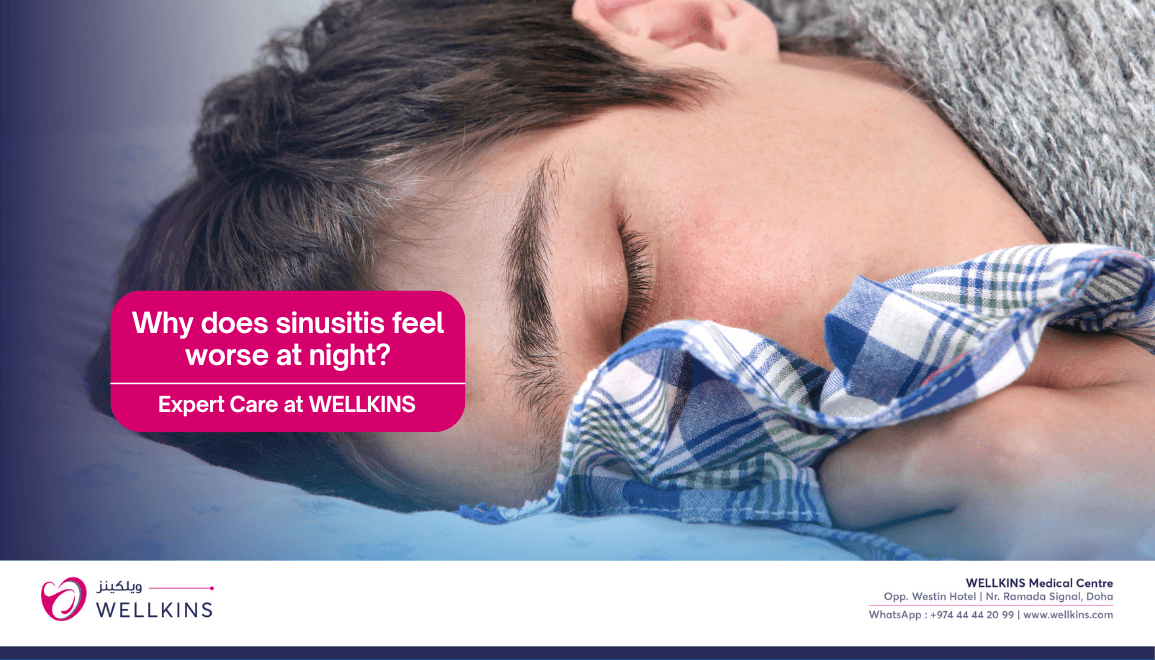
Why does sinusitis feel worse at night?
Several physiological factors conspire to make sinusitis symptoms more prominent and more distressing during the night. When lying down the drainage of sinus mucus changes, with secretions pooling in the back of the throat rather than draining forward and downward. Nasal congestion worsens in the recumbent position because the reduced effect of gravity allows more blood to pool in the inflamed nasal lining. The body’s natural anti-inflammatory cortisol levels drop overnight, removing one of the physiological buffers against sinus inflammation during the sleeping hours. Indoor air quality in Qatar’s heavily air-conditioned bedrooms can also worsen overnight as cooled and recycled air dries and irritates the already inflamed nasal passages.
Does sinusitis cause snoring?
Yes. Nasal obstruction from sinusitis is one of the most common causes of snoring in otherwise non-snoring adults because it forces breathing through the mouth, narrowing the effective airway and producing the vibration of soft tissues that generates snoring. Persistent snoring from chronic nasal obstruction can in some cases contribute to or worsen obstructive sleep apnea, a condition in which the airway partially or fully collapses during sleep, producing repeated oxygen desaturations that fragment sleep and carry significant cardiovascular consequences. An ENT assessment that addresses the nasal obstruction often produces marked improvement in snoring and supports better management of any associated sleep apnea.
What is the fastest way to relieve sinus pressure at night in Qatar?
The most immediately effective steps for reducing sinus pressure at night include elevating the head of the bed or using an extra pillow to encourage sinus drainage, using a saline nasal rinse before bed to clear secretions and reduce mucosal swelling, keeping the bedroom humidified to counteract the drying effect of Qatar’s intensive air conditioning and using a topical nasal decongestant spray short-term as directed by your clinician. These measures provide symptomatic relief but do not treat the underlying sinusitis. Persistent or recurrent sinus symptoms that are disrupting sleep require a proper ENT assessment to identify the cause and establish effective treatment.

How Sinusitis Disrupts Sleep: The Mechanisms
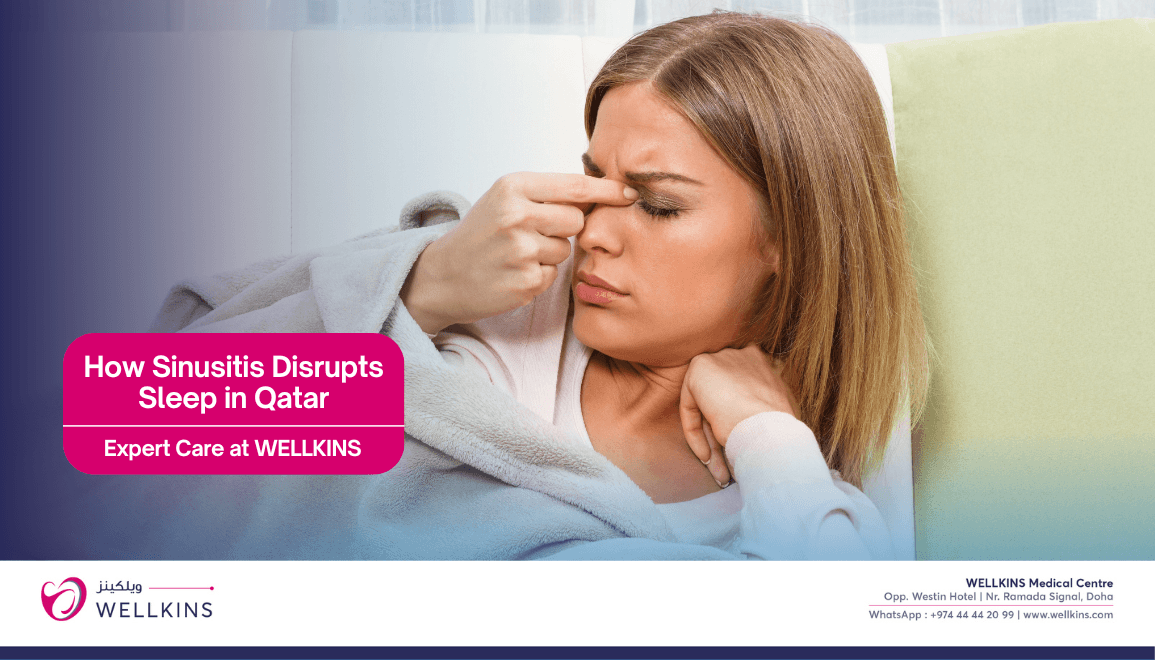
Understanding exactly how sinusitis interferes with sleep helps explain why treating the sinus condition is the most effective route to restoring sleep quality and why symptomatic sleep aids without addressing the underlying sinusitis produce limited and temporary benefit at best.
- Nasal Obstruction and Forced Mouth Breathing: The most immediate and most impactful mechanism. When the nasal passages are blocked by inflamed swollen mucosa and accumulated secretions, the only available airway is through the mouth. Mouth breathing bypasses the nose’s natural humidification, filtration and warming functions, delivering dry unfiltered air to the lower airways. This dries the throat and mouth, increases the vulnerability to lower respiratory irritation and creates the conditions for snoring and fragmented sleep. The mouth breathing itself is uncomfortable enough to reduce sleep depth and the dry throat that results from a night of mouth breathing is often the first symptom patients describe on waking.
- Post-Nasal Drip and Nocturnal Coughing: Sinusitis produces excess mucus that does not drain efficiently through the congested nasal passages. At night when the body is horizontal, this excess mucus tracks backward and downward into the throat, triggering the cough reflex and necessitating repeated swallowing and throat clearing. For many sinusitis sufferers in Qatar, the nocturnal cough is the symptom their bed partner notices first. It is also the symptom most likely to fully wake the patient multiple times per night, interrupting the deeper and more restorative sleep stages that are essential for physical and cognitive recovery.
- Sinus Pressure and Facial Pain in the Lying Position: When upright during the day, gravity assists the drainage of inflamed sinus cavities. When lying down, this assistance is lost and pressure within the sinuses builds as blood pools in the inflamed mucosal lining. Frontal sinus pressure produces a headache that worsens as the night progresses. Maxillary sinus pressure radiates to the cheeks and upper teeth. Ethmoid sinus involvement can produce eye socket pressure and pain. These pressure sensations are not severe enough to prevent sleep onset in most people but they reduce sleep depth and contribute to the unrested feeling on waking.
- Inflammatory Mediators and Sleep Architecture: Sinus inflammation is not a localized event confined to the sinuses themselves. The inflammatory cytokines produced during sinusitis including interleukins and tumor necrosis factor circulate systemically and interact with the brain’s sleep regulation centers. Research has demonstrated that elevated systemic inflammation consistently reduces the proportion of slow-wave deep sleep and REM sleep achieved, producing sleep that is lighter, more fragmented and less restorative than the total hours in bed would suggest. This mechanism explains why even patients who technically achieve enough hours of sleep with sinusitis still wake exhausted.
- The Sleep Deprivation Cycle: Poor sleep reduces immune function. Reduced immune function impairs the body’s ability to resolve the sinus infection or inflammation. Impaired resolution means sinusitis persists or worsens. Worsening sinusitis further disrupts sleep. This cycle is one of the most consistent patterns in chronic sinusitis and it is one reason why patients who manage their sinusitis effectively often find that their general health and immune resilience improve significantly beyond the sinus symptoms themselves.
Why Sinusitis Is Particularly Prevalent in Qatar
Qatar’s specific environment creates conditions that make both sinusitis and its sleep-disrupting effects particularly persistent and particularly difficult to manage without targeted clinical support.
- Desert Dust and Shamal Winds: Qatar’s desert geography produces year-round particulate exposure, with seasonal Shamal wind events dramatically increasing airborne dust concentrations. Fine particulate matter is a potent trigger for nasal mucosal inflammation and allergic sensitization in susceptible individuals, creating a cycle of ongoing nasal and sinus irritation that is difficult to avoid entirely.
- Extreme Air Conditioning: Qatar’s summer temperatures make air conditioning not a comfort but a necessity. The heavily air-conditioned indoor environments of homes, offices, schools and shopping centers in Doha produce chronically dry air that desiccates the nasal and sinus mucosa, impairs the mucociliary clearance that normally keeps the sinuses healthy and creates an environment in which sinus infections take hold more easily and resolve more slowly. Bedroom air conditioning specifically creates the overnight drying of the nasal lining that worsens nocturnal sinusitis symptoms.
- High Allergen Burden: House dust mites thrive in air-conditioned environments. Desert plant pollens circulate seasonally. Mold spores are present in humid indoor spaces. Qatar’s diverse expatriate population brings individuals with a wide range of pre-existing allergic sensitivities who encounter a new allergen environment that triggers previously manageable conditions into active sinusitis.
- Rapid Temperature Transitions: Moving repeatedly between Qatar’s outdoor heat of 40 degrees or more and heavily air-conditioned interiors throughout the day creates constant rapid temperature changes that the nasal mucosa responds to with congestion and increased mucus production. These transitions are among the most consistent aggravating factors for sinusitis symptoms in Doha’s population.
The Sleep Consequences: What Chronic Sinusitis Does Over Time
When sinusitis-related sleep disruption becomes chronic it produces a cascade of consequences that extend well beyond feeling tired.
- Cognitive Impairment: Chronic sleep disruption from sinusitis consistently impairs concentration, working memory, decision-making speed and the capacity for sustained focused work. In Qatar’s demanding professional environment these cognitive effects carry real occupational consequences that patients often attribute to stress or overwork before recognizing the sleep disruption as the underlying driver.
- Mood Disturbance: Fragmented sleep reliably increases emotional reactivity, reduces patience and contributes to persistent low mood and anxiety over weeks and months. Many patients with chronic sinusitis present with mood symptoms that improve substantially once the sinusitis and the sleep disruption it causes are effectively managed.
- Reduced Immune Function: The immune suppression produced by chronic sleep deprivation contributes to the difficulty in clearing persistent sinus infections and increases susceptibility to new infections. This is one of the physiological mechanisms behind the observation that patients with chronic sinusitis seem to catch every illness circulating in their environment.
- Cardiovascular Strain: When sinusitis-related nasal obstruction contributes to snoring and obstructive sleep apnea, the repeated overnight oxygen desaturations and arousal events produce cardiovascular stress that over time is associated with elevated blood pressure, increased cardiac workload and raised cardiovascular risk. This is a consequence that extends the clinical significance of sinusitis well beyond the ears, nose and throat.
What to Do About It: Effective Management at Wellkins
Effective management of sinusitis-related sleep disruption addresses both the underlying sinus condition and the specific nocturnal factors that compound its effect on sleep. At Wellkins Medical Centre, Dr. Preethi Sarma approaches this as a dual clinical problem requiring both ENT treatment and practical sleep environment optimization.
Clinical Treatment of the Sinusitis
- Nasal Saline Irrigation: Regular high-volume nasal saline rinsing using a neti pot or squeeze bottle is one of the most consistently effective non-pharmacological treatments for sinusitis. Performed before bed it clears accumulated secretions, reduces mucosal swelling and significantly reduces nocturnal post-nasal drip. In Qatar’s dust-heavy environment nasal rinsing has particular value in clearing inhaled particulates from the nasal passages before sleep.
- Topical Nasal Corticosteroids: Prescription nasal steroid sprays applied daily are the cornerstone of medical management for both allergic rhinitis and chronic sinusitis. They reduce mucosal inflammation, decrease congestion and improve sinus drainage without the rebound congestion associated with topical decongestant sprays. Consistent daily use rather than as-needed use produces the most reliable improvement.
- Antibiotic Treatment Where Indicated: Bacterial sinusitis confirmed by clinical assessment and where indicated by imaging is treated with an appropriate antibiotic course. Antibiotic selection is guided by the likely bacterial organisms and local resistance patterns rather than by patient preference or self-prescription.
- Allergy Assessment and Management: Where allergic rhinitis is a contributing factor to the sinusitis, identification of specific allergens through skin prick or blood testing allows targeted allergen avoidance strategies and in appropriate candidates allergen immunotherapy that reduces the allergic response over time.
- Endoscopic Sinus Surgery: For patients with chronic sinusitis that has not responded to adequate medical management, functional endoscopic sinus surgery opens the blocked sinus drainage pathways under direct visualization, allowing the sinuses to drain normally and the mucosal inflammation to resolve. The sleep improvements following successful sinus surgery are among the most consistently reported and most valued outcomes by patients.
Practical Steps to Reduce Nocturnal Sinusitis Symptoms in Qatar
- Elevate the Head of the Bed: Sleeping with the head elevated at approximately thirty degrees encourages sinus drainage and reduces the pooling of blood in the inflamed nasal lining that worsens congestion in the flat lying position. An extra pillow or a wedge pillow under the mattress head achieves this without discomfort.
- Humidify the Bedroom: A cool mist humidifier in the bedroom counteracts the drying effect of Qatar’s air conditioning, maintaining nasal and sinus mucosal moisture during the night and significantly reducing morning dryness, throat irritation and the overnight worsening of congestion.
- Perform Saline Rinsing Before Bed: A thorough nasal saline rinse twenty to thirty minutes before sleep clears the day’s accumulated secretions and particulates and reduces the volume of post-nasal drip that would otherwise trigger nocturnal coughing.
- Keep the Bedroom Free of Allergens: Washing bedding weekly in hot water, encasing pillows and mattresses in dust mite-proof covers and keeping pets out of the sleeping environment reduces the overnight allergen exposure that triggers the nasal inflammation underlying the sleep disruption.
- Avoid Air Conditioning Directed at the Face: Air conditioning airflow directed toward the sleeping face dramatically worsens nasal drying and mucosal irritation overnight. Redirecting the airflow or using a ceiling fan for air movement rather than direct air conditioning reduces this effect.
When to Seek ENT Assessment at Wellkins Medical Centre
You should seek a specialist ENT consultation at Wellkins Medical Centre if any of the following apply.
- Nasal congestion, post-nasal drip or sinus pressure has been disrupting your sleep for more than four weeks.
- You are waking unrefreshed most mornings despite adequate time in bed and believe sinus or nasal symptoms may be contributing.
- Your bed partner has noticed that you are snoring more or that your breathing appears interrupted during sleep.
- You have tried over-the-counter decongestants or saline sprays without sustained improvement.
- Your sinusitis symptoms worsen significantly in Qatar’s environment compared to your experience in other countries, suggesting specific local triggers that can be identified and addressed.
- You have recurrent sinus infections requiring repeated antibiotic courses without achieving lasting resolution between episodes.
Sinusitis and the sleep disruption it causes are not conditions to simply endure. The ENT management available at Wellkins Medical Centre in Doha addresses both the sinus inflammation and the nocturnal symptoms it produces and the improvement in sleep quality that follows effective treatment is one of the most significant changes in daily wellbeing that patients experience.
Your sinuses and your sleep are more connected than most people realise. Treating one treats both.
To book an appointment at Wellkins Medical Centre: https://wellkins.com/drpreethi
To know more about the ENT services at Wellkins Medical Centre: https://wellkins.com/ent