
Author: Dr. Preethi Sarma, ( Specialist ENT – WELLKINS Medical Centre )
Most people associate hay fever with springtime in Europe or North America. Fields of blooming flowers, freshly cut grass and a predictable seasonal sneezing season that comes and goes within a few weeks. In Qatar, the reality is considerably more complex and considerably more persistent.
Allergic rhinitis in Qatar is not a seasonal inconvenience. For a significant proportion of the population living in Doha and across the Gulf, it is a year-round condition driven by a combination of environmental triggers that are unique to this region. Desert dust, perennial grass pollens, mould spores, indoor allergens intensified by heavy air conditioning use and air quality fluctuations from Shamal wind events all conspire to keep nasal allergy symptoms active across every month of the calendar.
At Wellkins Medical Centre, allergic rhinitis is among the most commonly managed ENT conditions we see. It affects patients of all ages and all nationalities and it is frequently undertreated, either because patients normalize the symptoms or because they manage them ineffectively with medication choices that are not well matched to the severity or pattern of their condition.
Allergic rhinitis in Qatar is genuinely different from what patients have experienced elsewhere. The triggers here are multiple and often simultaneous, the dust load in the air is significant for most of the year and the constant transition between dry outdoor heat and heavily air-conditioned interiors creates a nasal environment under near-constant stress. What I want patients to understand is that persistent nasal symptoms are not something to simply endure. They affect sleep, concentration, work performance and quality of life in ways that are very real and very treatable. The right diagnosis and the right treatment plan make an enormous difference.
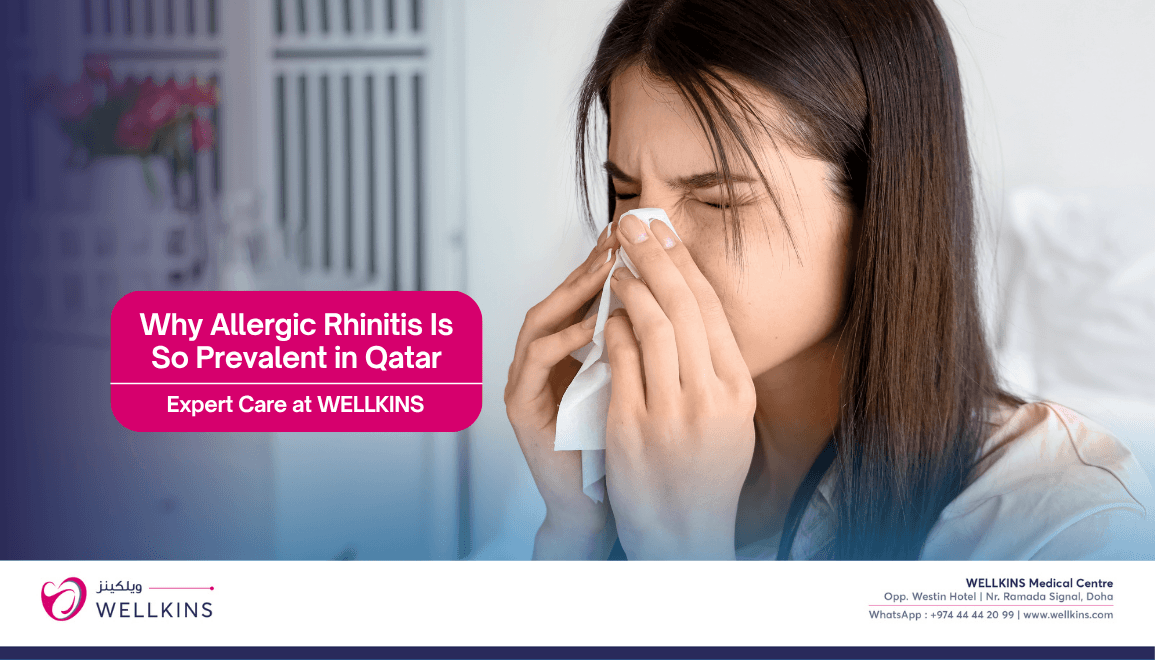
Why Allergic Rhinitis Is So Prevalent in Qatar
Understanding why nasal allergies are so common and so persistent in Qatar requires looking at the specific environmental characteristics of the Gulf region rather than applying frameworks developed for temperate climates.
- Desert Dust and Sand Particles: Fine particulate matter is a near-constant presence in Qatar’s air. Shamal winds carry sand and dust from the surrounding desert directly into the upper respiratory tract, triggering both allergic and non-allergic nasal inflammation. For patients who are already sensitized to dust allergens, these episodes cause significant symptom flares that can last days at a time.
- Perennial Grass and Weed Pollens: Qatar’s landscaping industry has expanded enormously over the past two decades. Large areas of irrigated grass in parks, sports facilities, residential compounds and road medians release pollen throughout much of the year in a climate that does not enforce a clear dormant season. Patients who assume their symptoms are not pollen-related because they live in a desert environment are often surprised to discover grass pollen sensitization on allergy testing.
- House Dust Mite: House dust mite is among the most common allergen sensitisations globally and it thrives in warm, humid environments. Qatar’s indoor environments, kept warm by the climate and humid by cooking, showers and human activity, provide near-ideal conditions for dust mite proliferation in bedding, carpets and soft furnishings.
- Mould and Fungal Spores: The combination of Qatar’s heat, moisture from air conditioning condensation and the prevalence of tiled and carpeted indoor spaces creates conditions where mould growth can occur in bathrooms, air conditioning units and building materials. Mould spore inhalation is a significant and often overlooked trigger for perennial allergic rhinitis in this region.
- Air Conditioning and Indoor Air Quality: Qatar’s reliance on air conditioning creates a specific indoor air quality challenge. Poorly maintained air conditioning units circulate accumulated dust, mould spores and other allergens continuously throughout living and working spaces. The dry, recycled air produced by air conditioning also impairs the nasal mucosa’s natural filtration and humidification functions, making the nasal passages more reactive to whatever allergens are present.
- Pet Allergens: Cat and dog ownership has increased significantly in Qatar in recent years. Pet dander is a potent allergen source that accumulates rapidly in indoor environments and is notoriously difficult to remove even with regular cleaning.
Recognizing the Symptoms: More Than Just a Runny Nose
Allergic rhinitis is frequently dismissed as a minor inconvenience, but its impact on daily functioning is consistently underestimated by both patients and, in some cases, by general healthcare providers who are not specialists in the area.
- Classic Nasal Symptoms: Persistent sneezing, nasal congestion, clear watery nasal discharge and nasal itching are the defining features of allergic rhinitis. In Qatar, where triggers are present year round for many patients, these symptoms may be present every single day rather than coming and going with the seasons.
- Eye Symptoms: Itchy, watery and red eyes frequently accompany nasal allergy symptoms, a combination known as allergic rhinoconjunctivitis. This is particularly prominent during Shamal dust events and high pollen periods.
- Sleep Disruption: Nasal congestion worsens significantly when lying down, making it one of the leading causes of poor sleep quality in allergic rhinitis patients. Chronic sleep disruption from nasal obstruction affects mood, cognitive performance and cardiovascular health in ways that extend well beyond the nose itself.
- Post-Nasal Drip and Chronic Cough: Excess mucus produced by an inflamed nasal lining drains down the back of the throat, causing a persistent tickling sensation, frequent throat clearing and a chronic cough that is often mistakenly attributed to respiratory infection or reflux.
- Reduced Sense of Smell: Chronic nasal inflammation impairs olfaction, the sense of smell, which also diminishes the perception of taste. Many patients with longstanding allergic rhinitis have adapted to this without realizing it is a treatable consequence of their condition.
- Fatigue and Cognitive Fog: The immune response triggered by allergen exposure consumes energy and generates inflammatory mediators that affect concentration and mental clarity. Patients often describe feeling persistently tired and mentally foggy during periods of high allergen exposure, a symptom pattern that is genuinely disabling for professionals and students alike.
The Conditions That Commonly Coexist With Allergic Rhinitis
Allergic rhinitis rarely exists in isolation, and treating it without addressing associated conditions leads to incomplete relief for many patients.
1. Asthma
The nose and lungs are connected components of the same respiratory system, and allergic inflammation frequently affects both simultaneously. Up to forty percent of allergic rhinitis patients have coexisting asthma, and poorly controlled nasal allergy consistently worsens asthma symptoms. Treating rhinitis effectively is therefore an important part of asthma management as well.
2. Sinusitis
Chronic nasal congestion from allergic rhinitis obstructs the sinus drainage pathways, creating conditions in which mucus accumulates and bacteria proliferate. Recurrent or chronic sinusitis is one of the most frequent complications of undertreated allergic rhinitis in Qatar. Patients who experience repeated courses of antibiotics for sinus infections without sustained improvement often have underlying allergic inflammation as the root cause.
3. Nasal Polyps
Prolonged allergic and inflammatory nasal disease can lead to the development of nasal polyps, soft tissue growths that project into the nasal cavity from the sinus linings. Polyps cause progressive nasal obstruction, loss of smell and recurrent sinusitis. They represent a more advanced stage of untreated or undertreated nasal inflammatory disease and may ultimately require surgical management if they do not respond to medical treatment.
4. Otitis Media With Effusion
Allergic inflammation extends beyond the nasal cavity to affect the Eustachian tube, which connects the middle ear to the back of the nose. Eustachian tube dysfunction from allergic rhinitis is a common cause of a blocked or muffled ear sensation, mild hearing loss and recurrent ear infections, particularly in children living in Qatar.
Diagnosis: Why an Accurate Assessment Matters
Not every case of nasal congestion and sneezing is allergic rhinitis. Non-allergic rhinitis, vasomotor rhinitis triggered by strong smells or temperature changes, nasal polyps and structural nasal problems such as a deviated septum can all produce similar symptoms and require different treatments. At Wellkins, our ENT specialist assessment includes a thorough evaluation to identify both the type of rhinitis and the specific triggers driving it.
- Clinical History and Examination: A detailed history of symptom pattern, duration, triggers and associated conditions is the starting point. Nasal endoscopy allows direct visualization of the nasal passages, turbinates and the posterior nasal space to assess the degree of inflammation and identify any structural or polyp-related contributions.
- Allergy Skin Prick Testing: A targeted panel of allergens relevant to Qatar’s environment, including house dust mite, local grass and weed pollens, mould species, cat and dog dander and cockroach allergen, is tested by applying small amounts of allergen to the forearm skin and observing for a local reaction. Results are available within twenty minutes and provide a clear map of specific sensitizations.
- Specific IgE Blood Testing: In patients for whom skin testing is not suitable, for instance those on antihistamines that cannot be stopped or those with severe eczema, blood testing for allergen-specific IgE antibodies provides the same diagnostic information through a different method.
- Nasal Peak Flow and Acoustic Rhinometry: Objective measurements of nasal airflow and nasal cavity dimensions help quantify the degree of obstruction and monitor treatment response over time.
Treatment at Wellkins Medical Centre
Treatment for allergic rhinitis at Wellkins is personalized based on the severity of symptoms, the specific allergens identified and the presence of any coexisting conditions. The approach follows a stepwise framework that progresses from environmental control through pharmacological management to allergen immunotherapy where indicated.
- Allergen Avoidance and Environmental Control: The most effective long-term strategy begins with reducing allergen exposure. For dust mite sensitization this means allergen-impermeable mattress and pillow covers, weekly hot washing of bedding, reducing carpeting and maintaining low indoor humidity. For mould sensitization, regular cleaning and servicing of air conditioning units, dehumidifying bathrooms and addressing any damp areas in the home are essential first steps. For pollen sensitization in Qatar, keeping windows closed during Shamal events and high pollen periods, showering after outdoor activity and using air purifiers with HEPA filtration in bedrooms are practical measures that significantly reduce daily allergen load.
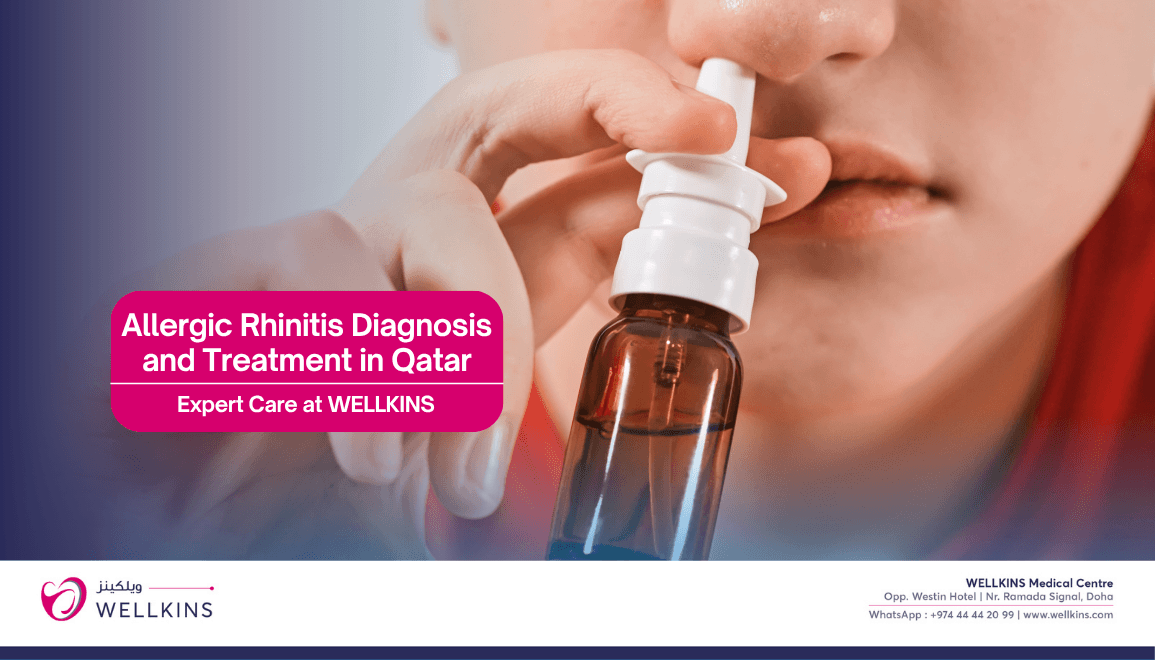
- Intranasal Corticosteroid Sprays: The first-line pharmacological treatment for persistent allergic rhinitis. Daily use of an intranasal steroid spray reduces nasal inflammation directly at the site of allergic activity, improving congestion, discharge, sneezing and post-nasal drip with a safety profile that is excellent for long-term use. These sprays work most effectively when used consistently rather than intermittently and their full benefit is often not appreciated by patients who use them only on symptomatic days.
- Antihistamines: Second generation non-sedating antihistamines provide effective relief for sneezing, nasal itch and eye symptoms. They are a useful addition to intranasal steroids for patients with moderate to severe symptoms and are particularly practical for managing acute flares during Shamal dust events or high pollen days.
- Saline Nasal Irrigation: Regular nasal saline irrigation using a neti pot or nasal rinse bottle mechanically removes allergens, dust particles and excess mucus from the nasal passages. In Qatar’s dusty environment this is a highly practical daily measure that reduces the allergen load on the nasal mucosa and improves the effectiveness of medicated sprays applied afterward.
- Leukotriene Receptor Antagonists: For patients with both allergic rhinitis and coexisting asthma, medications that block leukotriene inflammatory mediators address both conditions simultaneously and are a useful component of treatment in this group.
- Allergen Immunotherapy: For patients with moderate to severe allergic rhinitis that is inadequately controlled by avoidance and medication, allergen immunotherapy offers the only treatment that modifies the underlying allergic disease rather than simply managing symptoms. Immunotherapy involves the gradual administration of increasing doses of the specific allergens to which the patient is sensitized, either by subcutaneous injection or by sublingual drops or tablets. Over a course of three to five years it progressively desensitizes the immune system, producing lasting reductions in allergy severity that persist well beyond the treatment period. At Wellkins, immunotherapy is offered following a full allergy assessment and is tailored to the specific sensitization profile of each patient.
Managing Allergic Rhinitis in Qatar: Practical Year-Round Strategies
Living with allergic rhinitis in Qatar requires a proactive and ongoing approach rather than a reactive one. These practical measures make a genuine and measurable difference to daily symptom burden throughout the year.
- Service Your Air Conditioning Regularly: Air conditioning filters and coils accumulate dust, mould and allergen deposits over time and distribute them throughout indoor air if not cleaned. Filters should be cleaned monthly and units professionally serviced at least twice a year. This single measure often produces noticeable improvement in indoor allergy symptoms.
- Monitor Air Quality: Qatar Meteorology Department publishes air quality and dust forecast information. On days when dust levels are elevated, keeping windows and doors closed, limiting outdoor exposure and wearing a close-fitting face mask outdoors provides meaningful protection for sensitized patients.
- Use a HEPA Air Purifier in the Bedroom: The bedroom is where allergen exposure has the most significant impact because of the duration of time spent there during sleep. A HEPA air purifier running overnight reduces airborne allergen concentrations during the hours when nasal exposure is most continuous and when sleep quality is most vulnerable to congestion.
- Rinse Before Bed: Showering or at minimum rinsing the face and nasal passages before sleep removes pollen, dust and other allergens that have accumulated on the hair, skin and nasal mucosa during the day. This reduces the allergen burden during the overnight hours when the nasal passages are particularly susceptible.
- Do Not Stop Treatment When Symptoms Improve: One of the most common mistakes in allergic rhinitis management is discontinuing intranasal steroid treatment as soon as symptoms ease. These medications work best as a consistent daily treatment rather than an intermittent one. Stopping and restarting repeatedly leads to fluctuating control and cumulative undertreatment of the underlying inflammation.
When to See Your ENT Specialist at Wellkins
Many patients manage mild nasal allergy symptoms independently for years before seeking specialist care. You should book an ENT assessment at Wellkins Medical Centre if:
- Your nasal symptoms are present on most days and are affecting your sleep, work or daily comfort.
- Over-the-counter antihistamines are providing only partial or short-term relief.
- You experience recurrent sinus infections, ear problems or a persistent blocked ear sensation alongside your nasal symptoms.
- You have developed a reduced or absent sense of smell.
- You have coexisting asthma that is difficult to control, as undertreated nasal allergy is a consistent driver of poor asthma management.
- You want to know specifically which allergens are driving your symptoms so that your treatment can be targeted accurately rather than generalized.
- You are interested in allergen immunotherapy as a long-term solution rather than ongoing daily medication.
Allergic rhinitis in Qatar is a year-round reality for many thousands of residents across Doha. The triggers here are numerous, the environmental conditions are demanding and the impact on daily life is genuine. But this is also a condition that responds very well to the right treatment, and the right treatment begins with the right diagnosis.
At Wellkins Medical Centre. We provide complete nasal allergy assessments, targeted allergen testing and personalized treatment plans that address not just the symptoms but the underlying sensitizations driving them. Whether you have been managing nasal allergy for years or are experiencing persistent symptoms for the first time, a specialist consultation will give you clarity, a precise diagnosis and a treatment approach designed specifically for life in Qatar.
To book an appointment at Wellkins Medical Centre: https://wellkins.com/ent